

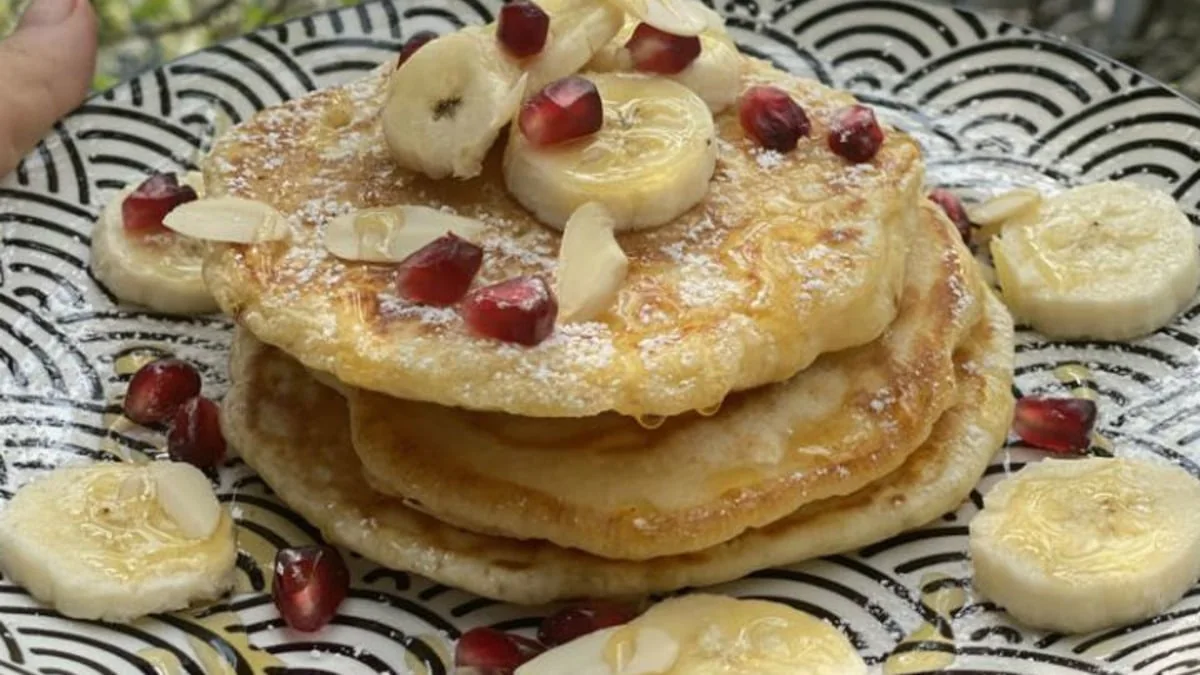
Not meaningfully. Honey has fewer calories per gram than sugar (304 vs 387 kcal per 100 g) only because it contains about 17% water; per teaspoon it has slightly more. The WHO counts honey as a free sugar, and its minerals are tiny. Use whichever you prefer, in small amounts, and never give honey to babies under one.
Key takeaways
- Per 100 g, honey has 304 kcal and table sugar 387 kcal; the difference is mainly water (USDA).
- Because honey is denser, a teaspoon of honey has slightly more calories than a teaspoon of sugar.
- Honey is mostly fructose and glucose; table sugar is sucrose, which the body splits into the same two sugars.
- The WHO counts honey as a free sugar and advises keeping free sugars below 10% of daily energy.
- Babies under 1 year should never have honey because of the risk of infant botulism.
Is honey healthier than sugar?
Honey is a natural food with a pleasant flavour, but nutritionally it behaves very much like sugar. Both are almost entirely sugar, both count towards the limit on free sugars in international guidelines, and the vitamins and minerals in honey are present in amounts too small to matter in a normal serving. If you enjoy honey, there is no reason to avoid it, but swapping sugar for honey is not a health upgrade by itself.
How do honey and sugar compare on calories?
The figures below come from USDA FoodData Central.
| Per 100 g | Honey | Table sugar | Maple syrup | Agave syrup |
|---|---|---|---|---|
| Calories | 304 kcal | 387 kcal | 260 kcal | 310 kcal |
| Total sugars | 82 g | 100 g | 61 g | 68 g |
| Water | 17 g | 0 g | 32 g | 23 g |
| Main sugars | Fructose 41 g, glucose 36 g | Sucrose 100 g | Sucrose 58 g | Fructose 56 g, glucose 12 g |
Gram for gram, honey has about 20% fewer calories than sugar. That is simply because about a sixth of honey is water. The sugar itself provides the same 4 kcal per gram whichever form it comes in.
In the kitchen, though, we measure by the spoon, not the gram. Honey is much denser than granulated sugar: a level teaspoon of honey weighs roughly 7 g, while a teaspoon of sugar weighs roughly 4 g. So a teaspoon of honey has around 21 kcal and a teaspoon of sugar around 16 kcal. A tablespoon of honey drizzled over porridge or pancakes adds about 60–65 kcal.
Honey is also sweeter than sugar to many people, so some cooks use a little less. Whether that saves anything depends on how much you actually pour.
Are the sugars in honey different?
Table sugar is sucrose, a molecule made of one glucose and one fructose joined together. Digestion splits it into those two sugars. Honey is already mostly free fructose and glucose, with a little sucrose. By the time either reaches your bloodstream, the body is dealing with broadly the same building blocks.
Because honey contains a bit more fructose, its glycemic index tends to be somewhat lower than that of glucose, but GI varies with the type of honey and with what you eat it with. In practice, honey on toast or in yogurt raises blood sugar much like sugar does. The guide to the glycemic index explains why GI matters less for weight than total intake.
What about vitamins, minerals and antioxidants?
Honey does contain traces of minerals, vitamins and plant compounds such as polyphenols, especially darker varieties. Sugar contains essentially none. But the amounts are small. USDA data list 52 mg of potassium per 100 g of honey; a teaspoon therefore provides under 4 mg, a tiny fraction of daily needs. By comparison, 100 g of Medjool dates contain about 696 mg of potassium along with 6.7 g of fibre, and a portion of fruit with yogurt offers far more nutrition than any sweetener.
If you want the benefits often attributed to honey, they come much more reliably from whole fruit, vegetables, nuts and pulses than from sweeteners.
Does the WHO treat honey differently?
No. The World Health Organization defines free sugars as sugars added to foods and drinks by the manufacturer, cook or consumer, plus sugars naturally present in honey, syrups, fruit juices and fruit juice concentrates. It recommends keeping free sugars below 10% of daily energy, which is about 50 g, or 12 level teaspoons, for an adult eating around 2,000 kcal a day. Reducing to below 5% may bring further benefits.
Honey, maple syrup, agave syrup, brown sugar and white sugar all count towards that same limit. Sugars inside whole fruit, vegetables and milk do not. You can read more in daily sugar limits and hidden sources and is fruit fattening?
How much honey fits into a day?
A worked example shows how quickly spoonfuls add up. Imagine three cups of tea a day, each with two teaspoons of sweetener:
| Six teaspoons a day | Weight | Free sugars | Calories |
|---|---|---|---|
| Honey | about 42 g | about 34 g | about 128 kcal |
| Table sugar | about 25 g | about 25 g | about 97 kcal |
Because a spoon of honey is heavier, six teaspoons of honey deliver more sugar than six teaspoons of sugar: about two-thirds of the WHO's 50 g guide for a 2,000 kcal diet, before any biscuits, yogurt or juice. Spoon for spoon, honey is the bigger serving.
Who should avoid honey?
- Babies under 1 year. The NHS advises not to give honey to children until they are over one year old. Honey can occasionally contain bacteria that produce toxins in a baby's intestines, leading to infant botulism, a very serious illness. This applies to honey in any form, including baked into foods.
- People with diabetes. Honey raises blood glucose much like sugar. It can fit into a diabetes eating plan in counted amounts, but discuss it with your doctor or a registered dietitian rather than treating it as a free food.
How can you use sweeteners sensibly while losing weight?
- Pick the one you enjoy most and use less of it. Flavour matters: a strongly flavoured honey can go further than plain sugar.
- Measure instead of pouring. A teaspoon is about 16–21 kcal; a free pour from a squeezy bottle can easily be three or four times that.
- Let fruit do the sweetening. Grated apple in porridge, mashed banana in pancakes or berries in yogurt add sweetness along with fibre. A bowl of oats, yogurt and fruit is about 390 kcal with 22 g of protein in Sporty's per-serving estimates.
- Cut down step by step. Taste adapts. Halving the sugar in tea or coffee over a few weeks is usually easier than stopping at once.
- Watch drinks first. Sweetened drinks are among the largest sources of free sugars for many people.
If you are curious about zero-calorie options, see artificial sweeteners: what the evidence says. Logging your sweeteners in Sporty for a few days often shows that the spoonfuls add up to more than expected.
This article is general information, not medical advice. If you have diabetes or another medical condition, talk to a doctor or registered dietitian about sugar in your diet.
Frequently asked questions
Does honey have fewer calories than sugar?
Per gram, yes: 304 kcal per 100 g for honey and 387 kcal for sugar, because honey contains water. Per teaspoon, honey has slightly more, because it is denser.
Is honey better for weight loss than sugar?
Not really. Both are free sugars and both add calories. What matters for weight is how much you use, not which one you choose.
Is raw honey healthier?
Raw honey may keep more of its natural compounds, but it is still mostly sugar and counts as a free sugar. It is also not safe for babies under one year.
Can people with diabetes eat honey?
Honey raises blood glucose much like sugar does. Some people with diabetes include small, counted amounts, but this should be discussed with a doctor or dietitian.
Was this article helpful?
No ratings yet — be the first.
Tap a star to rate it — your rating helps us improve and helps other readers.
Sources
This article is general information, not medical advice. If you have a health condition, are pregnant or under 18, talk to a doctor or registered dietitian before changing your diet.