

A healthy pantry covers four jobs: protein (lentils, chickpeas, beans, canned fish), whole-grain carbs (oats, bulgur, whole-wheat pasta, rice), flavour bases (canned tomatoes, onions, spices) and a good oil. With these on the shelf, you can make a balanced 250–550 kcal meal in about 20 minutes, even when the fridge is nearly empty.
Key takeaways
- Stock protein that keeps: red lentils, canned chickpeas and beans, canned tuna or sardines, eggs.
- Pick whole grains such as oats, bulgur and whole-wheat pasta for fibre and staying power.
- Canned tomatoes, onions, garlic and spices turn staples into real meals.
- Check labels for added salt and sugar and choose lower options where you can.
- A red lentil soup is about 250 kcal; tuna pasta about 540 kcal, in Sporty's estimates.
Why does a well-stocked pantry help with healthy eating?
Most "I'll just order something" evenings happen when you are tired and the fridge looks empty. A shelf of long-lasting basics changes that: if you can put a filling, balanced meal on the table in 20 minutes with what you already have, takeaway stops being the easiest option.
Pantry foods are also cheap, keep for months and waste less. Many of them, such as dried lentils, canned beans and oats, are exactly the foods health guidelines ask us to eat more of. The WHO's healthy diet advice includes eating legumes, whole grains, nuts and at least 400 g of fruit and vegetables a day.
What should be in a healthy pantry?
Think in four groups. You do not need everything on this list; pick a few from each that you actually like.
| Group | Staples | Why they help |
|---|---|---|
| Protein | Red and green lentils, canned chickpeas, canned beans, canned tuna, salmon or sardines, eggs, peanut butter, long-life milk | Make a meal filling; lentils and beans add fibre too |
| Whole-grain carbs | Oats, bulgur, whole-wheat pasta, brown or basmati rice, whole-wheat wraps, quinoa | Energy plus fibre for longer-lasting fullness |
| Vegetables and flavour | Canned tomatoes, tomato paste, onions, garlic, frozen vegetables, frozen spinach, jarred roasted peppers, stock cubes, spices, dried herbs, lemon juice | Turn basics into a real dish |
| Fats and extras | Olive or rapeseed oil, nuts, seeds, tahini, olives | Flavour and unsaturated fat, used in measured amounts |
Legumes deserve a special mention: they are high in fibre and protein and inexpensive. The NHS recommends adding pulses such as beans, lentils or chickpeas to stews, curries and salads as an easy way to get more fibre. Our comparison of lentils, chickpeas and beans shows how they differ.
What can you cook from the pantry in 20 minutes?
Here are eight meals built mostly from shelf staples, with Sporty's per-serving estimates (real values depend on recipe and portion):
| Meal | Main pantry items | kcal | Protein |
|---|---|---|---|
| Red lentil soup | Red lentils, onion, tomato paste, stock, spices | 250 | 13 g |
| Bulgur pilaf | Bulgur, onion, tomato paste, oil | 290 | 8 g |
| Lentil salad | Cooked green lentils, onion, lemon, herbs, olive oil | 320 | 16 g |
| White bean salad (piyaz) | Canned beans, onion, lemon, olive oil | 330 | 14 g |
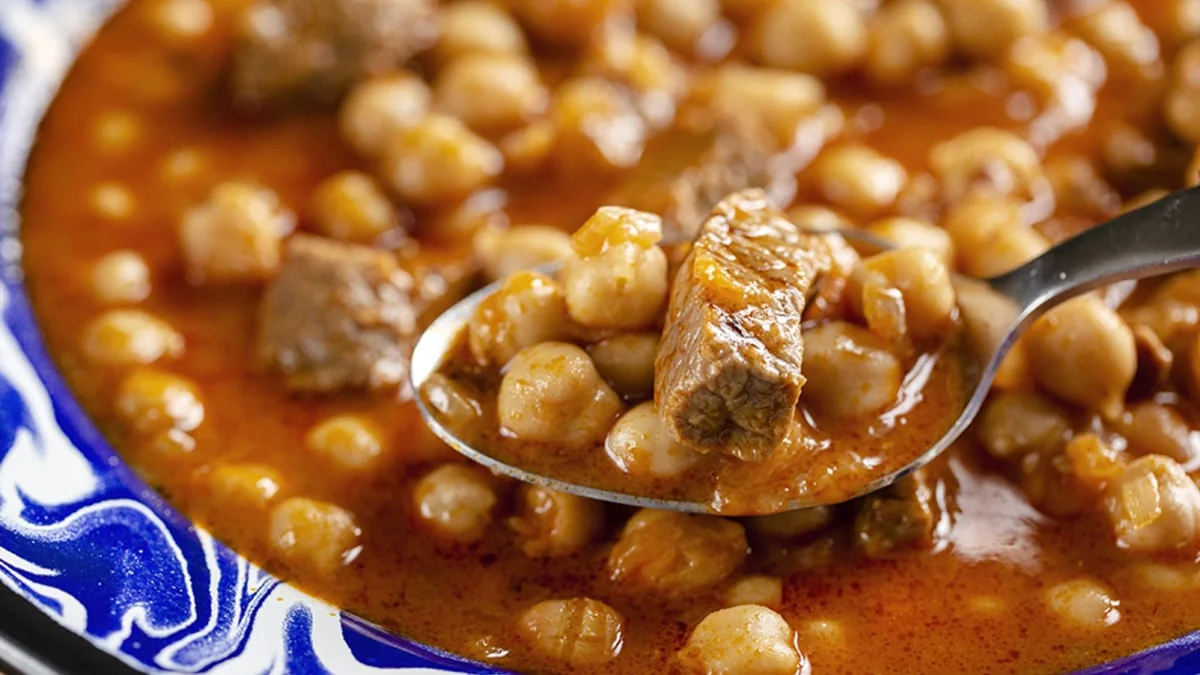
| Chickpea stew | Canned chickpeas, canned tomatoes, onion, spices | 360 | 16 g |
| Oats, yogurt and fruit | Oats, yogurt, frozen or fresh fruit | 390 | 22 g |
| Chili con carne | Canned beans, canned tomatoes, spices, plus minced meat | 480 | 34 g |
| Tuna pasta | Pasta, canned tuna, canned tomatoes, garlic, olive oil | 540 | 32 g |
Most of these are naturally lower in protein when made without meat or fish. To boost protein, add an egg, a pot of yogurt on the side, extra canned fish or a second can of beans.
How do you keep pantry meals healthy?
Watch the salt
Canned vegetables, beans, stock cubes and sauces can be salty. The WHO recommends adults eat less than 5 g of salt a day. On UK labels, more than 1.5 g of salt per 100 g counts as high and 0.3 g or less as low, according to the NHS. Choose beans and vegetables canned in water without added salt where available, drain and rinse canned beans, and taste before adding more salt.
Watch sugar in sauces and cereals
Some jarred sauces, flavoured oats and canned fruit in syrup contain added sugar. The WHO advises keeping free sugars below 10% of daily energy. Plain oats, canned fruit in juice and plain tomato products give you more control.
Measure the oil
Olive and rapeseed oil are good choices because they are mainly unsaturated fat, but all oils provide 9 kcal per gram. Pouring straight from the bottle can easily add two or three tablespoons. Use a spoon.
Choose whole grains when you can
Whole-wheat pasta, bulgur, oats and brown rice bring more fibre than refined versions. The NHS recommends 30 g of fibre a day for adults, and pantry meals built on whole grains and pulses make that much easier to reach.
What about the freezer?
Think of the freezer as an extension of the pantry. Frozen vegetables such as peas, spinach, broccoli and mixed peppers are already washed and chopped, so they go straight into a soup, stew or pasta sauce. Frozen berries work in oats or yogurt, frozen fish fillets cook from frozen in the oven, and sliced whole-wheat bread keeps far longer frozen than on the counter. Cooking a double batch of lentil soup or chili and freezing half gives you a ready meal for the next tired evening. A well-used freezer is often the difference between a pantry meal that is just carbs and one that includes vegetables and protein.
A simple pantry rotation that works
Pantries only help if the food gets used. A few habits keep things moving:
- First in, first out. Put new cans and packets behind the old ones.
- Keep a "back-up meal" list on the cupboard door: three or four meals you can make entirely from the shelf and freezer.
- Restock with your weekly shop. When you open the last can of chickpeas, add it to the list. Our budget-friendly weekly shopping list builds this in.
- Pair pantry and fresh. A bag of salad leaves, a cucumber or some fruit alongside a pantry meal raises the vegetable count with no extra cooking.
Examples from different kitchens
The same shelf can travel the world. Red lentils make a Turkish soup or an Indian-style dal; canned chickpeas become a Moroccan-spiced stew, Mediterranean salad or hummus; canned beans turn into Mexican chili or Italian bean and pasta soup; canned tuna goes into pasta, rice bowls or a quick niçoise-style salad; oats become porridge or overnight oats. Changing the spices is often all it takes to stop pantry meals feeling repetitive.
When you log a pantry meal in Sporty, describing it by text or voice, such as "red lentil soup, one large bowl, with a slice of whole-wheat bread", gives a quick estimate you can adjust before saving. If you follow a low-sodium diet for blood pressure or kidney disease, ask your doctor or a registered dietitian which canned products suit you.
Frequently asked questions
What are the most useful healthy pantry staples?
Red lentils, canned chickpeas and beans, canned tuna or sardines, oats, bulgur or whole-wheat pasta, canned tomatoes, onions, spices and a good olive or rapeseed oil cover most quick meals.
Are canned beans and vegetables healthy?
Yes, they keep much of their nutrition and count towards vegetable and legume intake. Choose versions without added salt or sugar where possible and rinse canned beans.
What is a quick healthy meal from the cupboard?
Red lentil soup, chickpea stew or tuna pasta can be made in about 20 minutes. In Sporty's estimates they are about 250, 360 and 540 kcal per serving.
How do I add protein to pantry meals?
Add an egg, extra canned fish or beans, or serve yogurt on the side. Lentils and chickpeas provide protein too, but meat- and fish-free versions are usually lower in it.
Was this article helpful?
No ratings yet — be the first.
Tap a star to rate it — your rating helps us improve and helps other readers.
Sources
This article is general information, not medical advice. If you have a health condition, are pregnant or under 18, talk to a doctor or registered dietitian before changing your diet.