

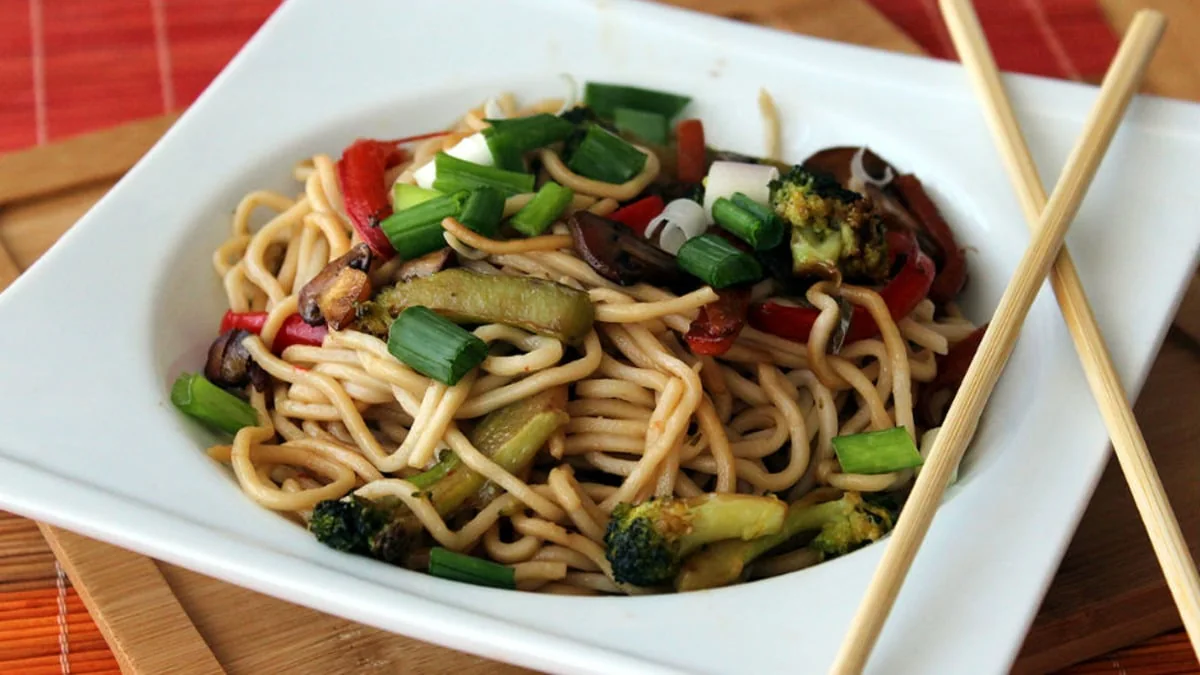
Plan three or four dishes that share ingredients, cook one or two in batches and shop from a written list. Build the list around low-cost staples: dried and canned pulses, oats, rice, pasta, eggs, plain yogurt, canned fish and frozen or canned vegetables. A sample week of such dinners averages about 450 kcal and 27 g of protein.
Key takeaways
- Planning meals and shopping from a list cuts waste, impulse buys and takeaways.
- Pulses, oats, rice, eggs, plain yogurt, canned fish and frozen vegetables are low-cost basics of a healthy diet.
- A sample budget week of catalog dinners averages about 450 kcal and 27 g of protein.
- The WHO's 400 g of fruit and vegetables a day is about 2.8 kg a week; frozen and canned count too.
- Compare price per kilo, try store brands and freeze batch-cooked meals on the day you make them.
Can you eat healthily on a tight budget?
Yes. Many of the foods that public health guidelines put at the centre of a healthy diet are also among the cheapest in any supermarket: dried and canned pulses, oats, rice and pasta, eggs, plain yogurt, canned fish, onions, carrots, cabbage, and frozen or canned vegetables. The World Health Organization's healthy diet advice is built around fruit, vegetables, legumes, nuts and whole grains, with limited salt, free sugars and saturated fat. None of that requires expensive or specialised products.
What usually costs more is not the food itself but waste, impulse buys and last-minute takeaways. A simple weekly plan and a shopping list deal with all three.
How do you plan a budget week of meals?
Planning takes about fifteen minutes and saves the most money. Work through these steps before you shop:
- Check what you already have. Look in the fridge, freezer and cupboard first and build at least one meal around food that needs using up.
- Choose three or four main dishes that share ingredients, such as onions, canned tomatoes, carrots and rice.
- Cook big batches of one or two of them so they cover several lunches or dinners. Our simple meal prep plan shows how to cook and store them safely.
- Write the shopping list from the plan, grouped by aisle, and stick to it.
- Leave one flexible night for leftovers, so nothing is thrown away.
What does a budget week of dinners look like?
Here is a sample week built from low-cost dishes in our meal catalog. The numbers are our per-serving estimates; real values depend on recipe and portion.
| Day | Dinner | kcal | Protein |
|---|---|---|---|
| Monday | Chili con carne (batch cook) | 480 | 34 g |
| Tuesday | Chili con carne (leftover) | 480 | 34 g |
| Wednesday | Tuna pasta | 540 | 32 g |
| Thursday | Vegetable noodles | 450 | 14 g |
| Friday | Chickpea stew | 360 | 16 g |
| Saturday | Vegetable omelette | 320 | 22 g |
| Sunday | Chicken and rice | 520 | 34 g |
| Average | 450 | about 27 g |
For lunches, a big pot of red lentil soup (250 kcal and 13 g of protein per serving) covers most of the week; add bread, a boiled egg or a pot of yogurt to make it a fuller meal. Breakfasts can be oats with yogurt and fruit (390 kcal, 22 g of protein). The vegetable noodles and chickpea stew are lower in protein, so adding an egg or a spoonful of yogurt on the side helps on those days.
What goes on the weekly shopping list?
This list is a starting point for one adult following the plan above. Adjust quantities for your household and for what you already have at home.
Vegetables and fruit
- Onions, carrots, garlic and a whole cabbage, which keep well for the full week
- Peppers, tomatoes and cucumbers for salads and the omelette
- A large bag of frozen mixed vegetables and a bag of frozen peas
- Three or four cans of chopped tomatoes
- Bananas, apples or oranges, plus a bag of frozen berries for breakfasts
Grains and starchy foods
- Rolled oats, rice and dried pasta in larger packs
- Dried noodles
- A wholegrain loaf, which can be sliced and frozen
Protein foods
- A 500 g bag of dried red lentils
- Two cans of chickpeas and one can of kidney beans
- Lean minced beef for the chili, and chicken for Sunday
- Two cans of tuna in water and a box of 10 eggs
Dairy and cupboard staples
- A large pot of plain yogurt and a litre of milk
- Olive or vegetable oil, cumin, paprika, chili, soy sauce and stock
How do you get the most from every item?
A few cheap staples go a surprisingly long way. A 500 g bag of dried lentils contains about 123 g of protein, based on USDA data, and at 70 g of lentils per serving, our lentil soup recipe gets about seven bowls from one bag. Canned chickpeas and beans need no soaking and can go into stews, salads and soups in the same week.
Fruit and vegetables are the part of a budget diet most likely to fall short. The WHO recommends at least 400 g of fruit and vegetables a day, which is about 2.8 kg a week per adult. The NHS counts fresh, frozen and canned produce toward its "5 a day" goal, with a portion of 80 g. Frozen vegetables and canned tomatoes can be cheaper per kilo than fresh, last much longer and cut waste, so they are an easy way to reach that amount.
For protein specifically, compare foods by the cost of 10 g of protein rather than the price of the pack. Our guide to budget-friendly high-protein foods shows how to do the calculation in your own shop.
Which supermarket habits save the most?
- Compare the price per kilo or per litre, usually shown on the shelf label, rather than the pack price.
- Try store-brand versions of basics such as oats, canned tomatoes, pulses and pasta.
- Buy large packs of foods that keep, such as rice, oats and dried lentils, and smaller amounts of fresh food you might not finish.
- Read the label on canned foods. Choose vegetables and pulses without added salt or sugar, and fish in water; the WHO advises keeping salt below 5 g a day. Our guide to reading a nutrition label explains what to look for.
- Swap within a food group. If chickpeas are cheaper than kidney beans this week, or cabbage is cheaper than peppers, change the recipe instead of paying more. Most stews, soups and curries work with almost any pulse or sturdy vegetable.
- Shop after a meal, not when hungry, and stick to your list.
How do you store food so less is wasted?
Food that goes off is money lost. The US Centers for Disease Control and Prevention (CDC) recommends keeping the fridge at 4 °C (40 °F) or below and the freezer at −18 °C (0 °F) or below, putting perishable food in the fridge within 2 hours, and splitting hot food into shallow containers so it cools quickly. Freeze portions of batch-cooked stews and chili on the day you make them, slice bread before freezing, and keep older items at the front of the fridge so they are used first.
Does a budget diet still work for weight loss?
It can. The sample dinners above average about 450 kcal, and pulse-based dishes are filling because of their fibre. Logging your meals, for example by describing them in Sporty, also makes it easy to see where the calories and protein in a cheap week come from. Keep your intake at a level you can sustain, and do not go below 1,200 kcal a day for women or 1,500 kcal for men without medical supervision. If you are pregnant, under 18, have a medical condition or a history of disordered eating, plan changes with a doctor or registered dietitian.
Frequently asked questions
What are the cheapest healthy foods to buy?
Dried and canned pulses, oats, rice, pasta, eggs, plain yogurt, milk, canned fish, onions, carrots, cabbage and frozen vegetables are low-cost almost everywhere. Prices vary, so compare the price per kilo in your own shop.
Are frozen vegetables as good as fresh?
They are a practical choice. The NHS counts frozen and canned vegetables toward the 5 a day goal, and they last longer, which reduces waste.
How do I get enough protein on a budget?
Build meals around eggs, pulses, plain yogurt, milk and canned fish, and stretch meat dishes with beans or lentils. Comparing the cost per 10 g of protein shows which option is cheapest where you live.
Can I lose weight eating cheaply?
Yes. Many low-cost dishes, such as lentil soup or chili with beans, are filling and moderate in calories. What matters is your total intake over time, at a level you can sustain.
Was this article helpful?
No ratings yet — be the first.
Tap a star to rate it — your rating helps us improve and helps other readers.
Sources
This article is general information, not medical advice. If you have a health condition, are pregnant or under 18, talk to a doctor or registered dietitian before changing your diet.