

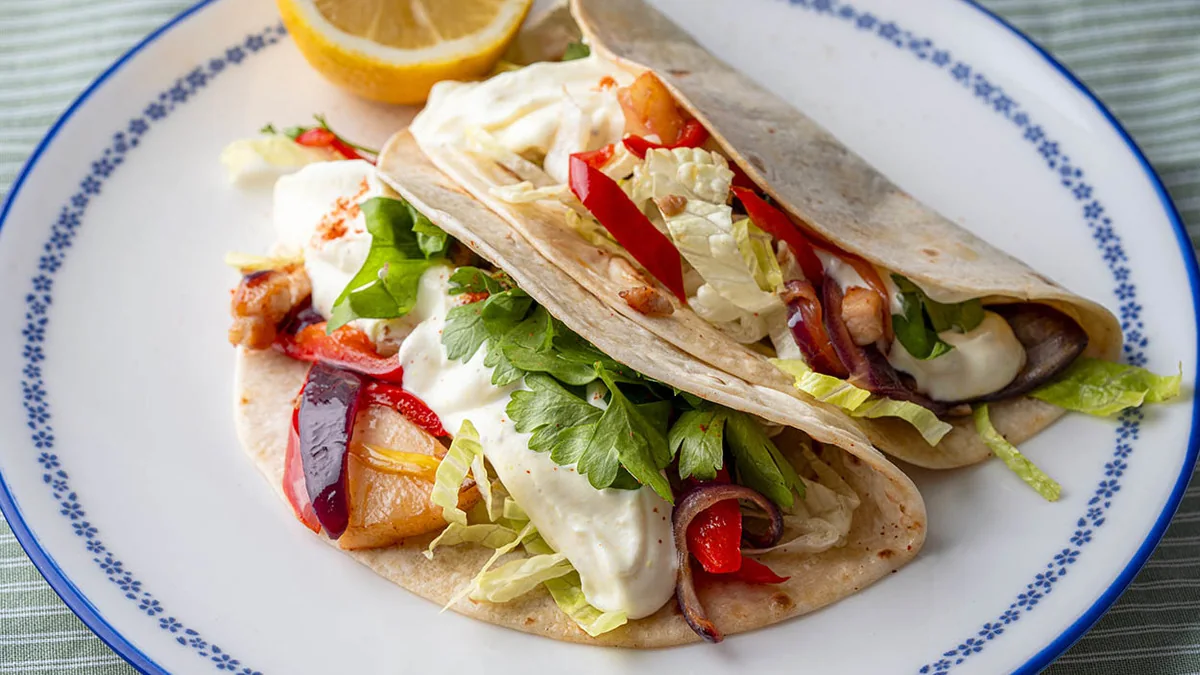
Per 100 g roasted and skinless, USDA lists chicken breast at 165 kcal with 31 g protein and thigh at 179 kcal with 25 g protein. Breast gives more protein per calorie, but the gap is modest. Skin makes a bigger difference: roasted thigh with skin has 232 kcal per 100 g.
Key takeaways
- Roasted skinless breast: 165 kcal, 31 g protein and 3.6 g fat per 100 g (USDA).
- Roasted skinless thigh: 179 kcal, 24.8 g protein and 8.2 g fat per 100 g (USDA).
- Breast gives about 19 g protein per 100 kcal, thigh about 14 g.
- Eating the skin adds more calories than switching between cuts.
- Both are good protein sources; choose the one you enjoy and will cook often.
How do breast and thigh compare per 100 g?
Chicken breast is white meat with very little fat. Thigh is dark meat, with more fat and a richer flavour, and it stays juicier when cooked. The table shows USDA FoodData Central values per 100 g of cooked (roasted) chicken from broiler or fryer chickens.
| Roasted, per 100 g | kcal | Protein | Fat | Protein per 100 kcal |
|---|---|---|---|---|
| Breast, meat only | 165 | 31.0 g | 3.6 g | 18.8 g |
| Breast, meat and skin | 197 | 29.8 g | 7.8 g | 15.1 g |
| Thigh, meat only | 179 | 24.8 g | 8.2 g | 13.9 g |
| Thigh, meat and skin | 232 | 23.3 g | 14.7 g | 10.0 g |
| Drumstick, meat only | 155 | 24.2 g | 5.7 g | 15.6 g |
Two things stand out. Skinless thigh has only 14 kcal more per 100 g than skinless breast, but about 6 g less protein. And the skin changes the picture more than the cut does: leaving the skin on a thigh adds 53 kcal per 100 g, almost all from fat.
Why do raw numbers look almost identical?
If you weigh chicken raw, the two cuts look surprisingly similar. USDA lists raw skinless breast at 120 kcal and 22.5 g protein per 100 g, and raw skinless thigh at 121 kcal and 19.7 g protein. Thigh holds more water when raw, and breast loses relatively more water during cooking, so the gap widens once both are cooked.
| Raw, per 100 g | kcal | Protein | Fat |
|---|---|---|---|
| Breast, meat only | 120 | 22.5 g | 2.6 g |
| Thigh, meat only | 121 | 19.7 g | 4.1 g |
| Breast, meat and skin | 172 | 20.8 g | 9.3 g |
| Thigh, meat and skin | 221 | 16.5 g | 16.6 g |
The practical lesson: always log chicken with an entry that matches how you weighed it. Logging 150 g of cooked breast with a raw entry undercounts it by about 68 kcal and 12 g of protein.
How much does the difference matter in a real meal?
Here are typical portions of roasted, skinless chicken, using the USDA values above.
| Portion (cooked) | Breast | Thigh | Difference |
|---|---|---|---|
| 100 g | 165 kcal, 31 g protein | 179 kcal, 25 g protein | +14 kcal, −6 g protein |
| 150 g | 248 kcal, 47 g protein | 269 kcal, 37 g protein | +21 kcal, −10 g protein |
| Amount for 40 g protein | 129 g = 213 kcal | 161 g = 289 kcal | +76 kcal |
For one meal, the difference is small: less than the calories in a teaspoon of oil. It becomes more noticeable if you eat chicken twice a day and are trying to reach a high protein target on fewer calories. For most people, the cooking method, the oil and the sauce affect the plate far more than the choice of cut.
Which is better for weight loss?
Breast has the edge on paper because it gives more protein per calorie, and protein helps you stay full. But a cut you enjoy and cook regularly beats a cut you find dry and skip. Thigh is more forgiving to cook, takes well to grilling, stews and curries, and in many shops costs less per kilo. Some practical ways to get the best of both:
- Remove the skin, or cook with it on for moisture and take it off before eating.
- Trim visible fat from thighs before cooking.
- Measure the oil. A tablespoon of oil adds about 120 kcal, which is more than the gap between 100 g of breast and thigh.
- Use marinades such as yogurt, lemon and spices to keep breast juicy without extra fat.
- Mix cuts in stews, wraps and skewers so you get flavour from thigh and extra protein from breast.
Whichever you choose, cook all poultry to an internal temperature of 74°C (165°F), as the CDC advises, and refrigerate leftovers within 2 hours.
Which cut suits which goal?
| Goal | Often the better pick | Why |
|---|---|---|
| Most protein on the fewest calories | Skinless breast | About 19 g protein per 100 kcal cooked |
| Batch cooking and reheating | Skinless thigh | Stays moist when reheated, so leftovers are easier to enjoy |
| Stews, curries and slow cooking | Thigh | Holds up to long cooking without turning dry |
| Quick grilling, salads and wraps | Breast | Lean and fast to cook when sliced thinly |
| A tight food budget | Thigh or whole legs | Often cheaper per kilo; compare local prices |
If you follow a calorie target, a difference of 14 kcal per 100 g will rarely decide whether you hit it. Eating enough protein most days, and doing so in a way you can keep up, matters far more.
How much chicken do you need for your protein target?
The recommended dietary allowance for adults is 0.8 g of protein per kilogram of body weight a day, and the ISSN position stand suggests 1.4–2.0 g/kg for most people who exercise regularly. For a 70 kg person, that is about 56 g a day at the RDA and 98–140 g at the higher range. Chicken can cover a good share, but protein from eggs, dairy, legumes and fish adds variety. Our guide to how much protein you need per day explains the targets in more detail; you can also estimate yours below.
0.8 g/kg is the adult RDA; 1.4–2.0 g/kg is the ISSN range for people who exercise. Kidney disease needs medical advice.
What do chicken dishes look like in practice?
Most people eat chicken as part of a dish rather than plain. These are Sporty's per-serving estimates for common chicken meals; real values depend on recipe and portion.
| Dish | kcal | Protein | Fat |
|---|---|---|---|
| Chicken shish | 380 | 46 g | 18 g |
| Roast chicken with vegetables | 480 | 46 g | 24 g |
| Chicken curry with bulgur | 520 | 44 g | 16 g |
| Chicken fajitas | 460 | 38 g | 18 g |
| Chicken döner wrap | 560 | 38 g | 22 g |
| Chicken tacos | 480 | 32 g | 20 g |
Skewers and roast dishes made with breast tend to land at the top for protein per calorie, while wraps and tacos add bread, cheese and sauces. If you cook chicken at home, snapping a photo of the plate in Sporty gives you a quick estimate you can adjust for the cut and portion. For more ideas, see our high-protein dinner ideas and how chicken compares with fish, eggs and legumes in lean protein sources compared.
The bottom line
Chicken breast is the leaner choice, with about 31 g of protein per 100 g cooked and the most protein per calorie. Thigh has a little more fat and a few more calories, but it is still a good protein source. The skin, the oil and the sauce matter more than breast versus thigh, so pick the cut you will actually enjoy cooking.
Frequently asked questions
Is chicken thigh healthier than breast?
Neither is unhealthy. Breast is leaner and has more protein per calorie, while skinless thigh has a little more fat and about 14 kcal more per 100 g cooked. Both fit a balanced diet.
How much protein is in 100 g of chicken breast?
USDA lists roasted skinless chicken breast at 31 g protein and 165 kcal per 100 g. Raw, the same cut has 22.5 g protein and 120 kcal per 100 g.
Does removing chicken skin save many calories?
Yes. Roasted thigh with skin has 232 kcal per 100 g versus 179 kcal without; for breast it is 197 versus 165 kcal. Most of the difference is fat.
Should I weigh chicken raw or cooked?
Either works if you use a matching entry. Cooked chicken has more calories and protein per 100 g because water is lost during cooking.
Was this article helpful?
No ratings yet — be the first.
Tap a star to rate it — your rating helps us improve and helps other readers.
Sources
This article is general information, not medical advice. If you have a health condition, are pregnant or under 18, talk to a doctor or registered dietitian before changing your diet.