

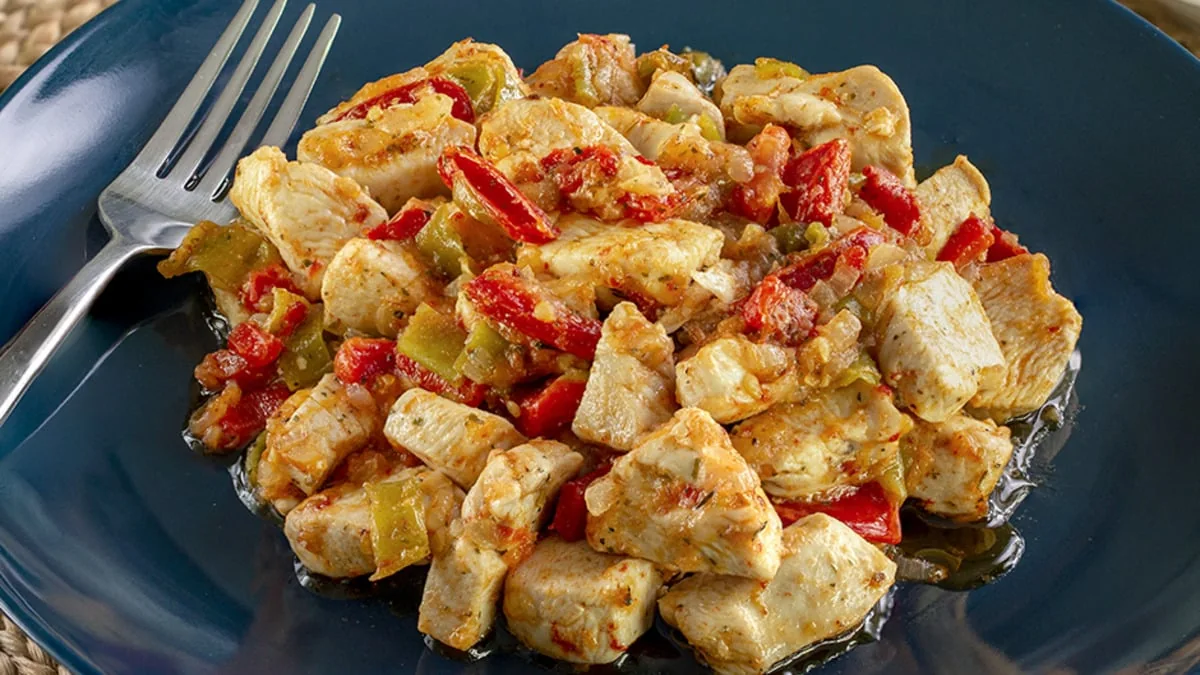
Chicken breast is one of the easiest ways to build a high-protein meal. In Sporty's estimates, chicken shish is about 380 kcal with 46 g of protein, poached chicken with vegetables 340 kcal with 40 g, and a chicken quinoa bowl 520 kcal with 50 g. Sauces, cheese and bread decide most of the difference.
Key takeaways
- Chicken shish (380 kcal, 46 g protein) and poached chicken (340 kcal, 40 g) give the most protein per calorie (Sporty estimates).
- All ten meals provide 34–58 g of protein for 340–640 kcal.
- Dressings, cream sauces, cheese and bread add calories much faster than the chicken itself.
- A yogurt marinade, high heat and resting the meat keep breast juicy without much oil.
- Many people aim for 20–40 g of protein per meal; one chicken dish usually covers that.
Why is chicken breast so useful for high-protein meals?
Skinless chicken breast is lean, cheap in most countries, quick to cook and works in almost every cuisine. Because most of its energy comes from protein rather than fat, a normal portion of 150–200 g raw breast lands a meal in the range of 35–50 g of protein without pushing calories up much. That makes it a practical base for people who are trying to lose fat while keeping muscle, or who simply want meals that keep them full.
How much protein do you need? The recommended dietary allowance for adults is 0.8 g per kg of body weight a day, and the International Society of Sports Nutrition suggests 1.4–2.0 g/kg for people who exercise regularly. The same position stand describes 20–40 g, or about 0.25 g per kg, as a useful amount per meal. You can estimate your own range here:
0.8 g/kg is the adult RDA; 1.4–2.0 g/kg is the ISSN range for people who exercise. Kidney disease needs medical advice.
What are 10 high-protein chicken breast meals?
All ten dishes below come from our meal catalog and use chicken breast as the main protein. The numbers are Sporty's per-serving estimates; your own recipe and portion will change them.
| Meal | Calories | Protein | Fat | Protein per 100 kcal |
|---|---|---|---|---|
| Chicken shish kebab (200 g breast, yogurt marinade) | 380 kcal | 46 g | 18 g | 12.1 g |
| Poached chicken with vegetables (180 g) | 340 kcal | 40 g | 13 g | 11.8 g |
| Chicken sauté with peppers and mushrooms (180 g) | 380 kcal | 40 g | 18 g | 10.5 g |
| Chicken quinoa power bowl (160 g) | 520 kcal | 50 g | 14 g | 9.6 g |
| Chicken salad with avocado (150 g) | 380 kcal | 36 g | 20 g | 9.5 g |
| Grilled chicken, bulgur and cacık (180 g) | 640 kcal | 58 g | 18 g | 9.1 g |
| Chicken curry with bulgur (150 g) | 520 kcal | 44 g | 16 g | 8.5 g |
| Chicken fajitas (150 g, 2 tortillas) | 460 kcal | 38 g | 18 g | 8.3 g |
| Chicken Caesar salad (150 g) | 480 kcal | 38 g | 28 g | 7.9 g |
| Chicken wrap with yogurt sauce (130 g) | 480 kcal | 34 g | 16 g | 7.1 g |
What does each idea look like on the plate?
- Chicken shish. Cubes marinated in yogurt, paprika and garlic, grilled on skewers with peppers and onion. The most protein per calorie in the list; see chicken shish kebab for the full breakdown.
- Poached chicken with vegetables. Simmered gently with carrot, courgette (zucchini) and celery, finished with a spoon of olive oil and lemon. The broth makes a light soup for the next day.
- Chicken sauté. Strips cooked fast in a pan with peppers, mushrooms and tomato. Ready in about 20 minutes, and good with rice or bulgur if you need more energy.
- Chicken quinoa power bowl. Shredded chicken over quinoa with rocket, corn and avocado. A complete meal that travels well.
- Chicken salad. Grilled breast on mixed greens with tomato, cucumber and half an avocado. The avocado and olive oil give most of its 20 g of fat.
- Grilled chicken, bulgur and cacık. The largest meal here at 640 kcal, with 58 g of protein, made for training days or bigger appetites.
- Chicken curry with bulgur. Tomato and yogurt instead of cream keep it lighter than many takeaway curries.
- Chicken fajitas. Spiced strips with peppers and onion in two wheat tortillas with salsa; the chicken fajitas page has the details.
- Chicken Caesar salad. The same amount of chicken as the plain salad, but croutons, parmesan and dressing raise the fat to 28 g.
- Chicken wrap. A large tortilla with grilled chicken, salad and yogurt sauce. Good for lunch on the go.
Where do the extra calories in chicken dishes come from?
Compare the chicken salad and the Caesar salad: both use 150 g of grilled breast, but the Caesar comes in 100 kcal higher with 8 g more fat. The difference is not the chicken; it is the croutons, cheese and creamy dressing. The same pattern repeats across cuisines:
- Oil and butter. Fat has 9 kcal per gram, more than twice protein at 4 kcal. A tablespoon of oil holds roughly 13–14 g of fat, well over 100 kcal.
- Cream and cheese sauces. A creamy curry or a cheese-topped bake can add as much energy as the chicken itself.
- Breading and frying. Coated, fried chicken absorbs oil; grilled, baked or poached chicken does not.
- Bread and wraps. Tortillas, buns and lavash add carbohydrate. That is fine, just count it.
- Salt. Marinades, stock cubes and spice mixes can be salty; the WHO advises adults to keep salt below 5 g a day.
How do you keep chicken breast juicy without extra fat?
- Marinate in yogurt or lemon. A yogurt marinade with garlic and spices, as in Turkish tavuk şiş or Indian tikka, adds flavour and keeps the surface moist.
- Cut evenly. Slice thick breasts in half horizontally or flatten them so they cook through at the same time.
- Use high heat briefly. Grill, pan-sear or roast hot rather than cooking slowly until dry.
- Cook it through, then stop. Chicken must be fully cooked with no pink meat and clear juices; a thermometer helps if you cook it often.
- Rest it for a few minutes before slicing so the juices stay in the meat.
What should you watch when buying and handling raw chicken?
Raw chicken needs some care in the kitchen. Put it in the fridge or freezer as soon as you get home, use a separate chopping board and knife, and keep it away from foods eaten raw, such as salad. There is no need to rinse chicken under the tap; splashing can spread bacteria, and cooking is what makes it safe. Wash your hands with soap after touching raw meat, and store batch-cooked chicken in closed containers in the fridge once it has cooled, eating it within a few days.
Can you eat chicken breast every day?
You can, but variety matters for more than taste. Fish, eggs, dairy, lentils, beans and tofu bring nutrients chicken lacks, such as omega-3 fats, calcium or fibre. Rotating proteins through the week also makes it easier to stay with a plan. Our comparison of lean protein sources shows how they stack up, and the guide on how much protein per day explains the targets in more detail.
Logging chicken dishes is easy because the main ingredient is simple: weigh the raw breast once, or snap a photo of the plate in Sporty and adjust the portion. The sauces and sides are what need the most attention.
This article is general information, not medical advice. If you have kidney disease, are pregnant or have been told to limit protein, talk to a doctor or registered dietitian before raising your protein intake.
Frequently asked questions
How much protein is in a chicken breast meal?
In Sporty's estimates, meals with 130–200 g of chicken breast provide about 34–58 g of protein, depending on the portion and sides. Chicken shish with 200 g of breast has about 46 g.
What is the lowest-calorie way to cook chicken breast?
Poaching, grilling and baking add little or no fat. Poached chicken with vegetables is about 340 kcal with 40 g of protein in Sporty's estimates.
How do I stop chicken breast from getting dry?
Marinate it in yogurt or lemon, cut it to an even thickness, cook it hot and briefly until fully cooked, and rest it for a few minutes before slicing.
Is chicken breast good for weight loss?
It is lean and high in protein, which helps you stay full on fewer calories. It works best with vegetables and light sauces, and alongside other protein sources for variety.
Was this article helpful?
No ratings yet — be the first.
Tap a star to rate it — your rating helps us improve and helps other readers.
Sources
This article is general information, not medical advice. If you have a health condition, are pregnant or under 18, talk to a doctor or registered dietitian before changing your diet.