

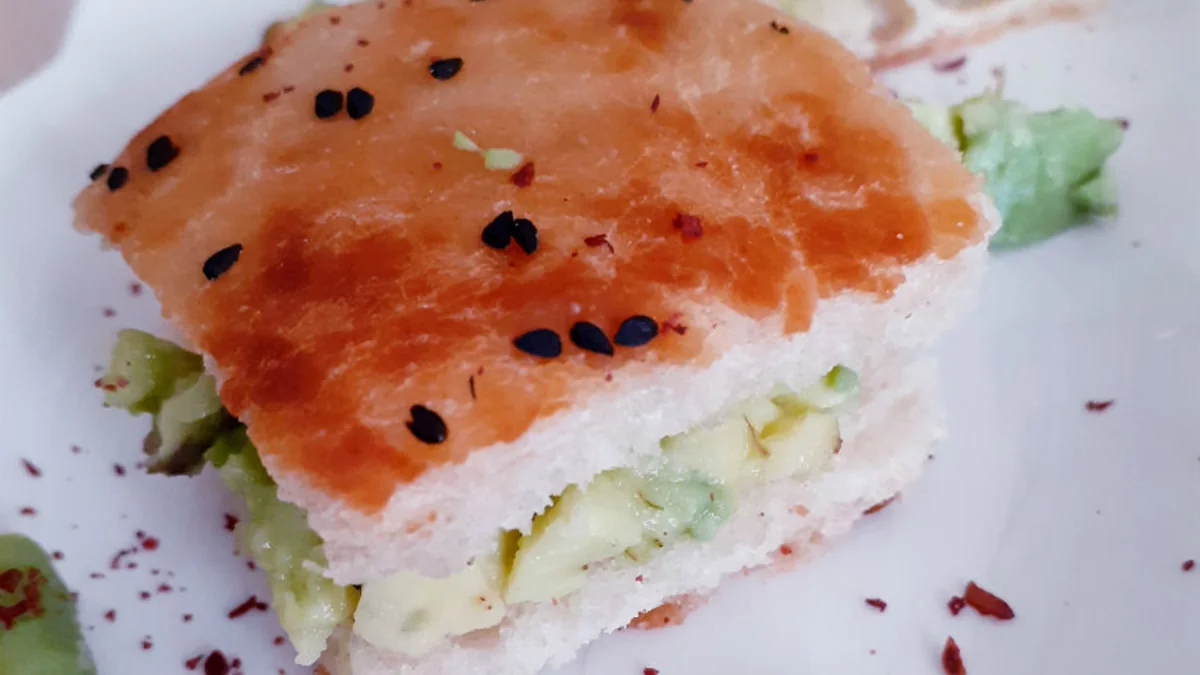
Raw avocado has about 160 kcal per 100 g, according to USDA data, with 14.7 g of mostly unsaturated fat, 6.7 g of fibre and only 2 g of protein. About 75 g has roughly the calories of a tablespoon of oil, so 50 to 75 g per meal is a practical portion when watching calories.
Key takeaways
- 100 g of avocado has about 160 kcal, 14.7 g of fat, 6.7 g of fibre and 2 g of protein (USDA).
- Roughly 80% of its calories come from fat, two thirds of it monounsaturated.
- 75 g of avocado is about 120 kcal, similar to one tablespoon of oil.
- Pair avocado with a protein: avocado tuna salad is about 420 kcal with 32 g of protein (Sporty estimate).
- People with kidney disease or on warfarin should ask their doctor about intake.
How many calories are in an avocado?
According to USDA FoodData Central, 100 g of raw avocado flesh has about 160 kcal. Avocado sizes vary a lot, so the easiest way to know your portion is to weigh the flesh once. After that, you can judge by eye.
Avocado is unusual among fruits: most of its energy comes from fat rather than sugar. That fat is mostly the unsaturated kind, and the fruit also brings fibre, potassium and folate. It is nutritious, but it is also energy-dense, which is why portion size matters more than with most fruit.
What is the nutrition of avocado per 100 g?
| Nutrient (per 100 g, raw) | Amount |
|---|---|
| Energy | 160 kcal |
| Fat | 14.7 g |
| of which monounsaturated | 9.8 g |
| of which polyunsaturated | 1.8 g |
| of which saturated | 2.1 g |
| Carbohydrate | 8.5 g |
| of which fibre | 6.7 g |
| of which sugars | 0.7 g |
| Protein | 2 g |
| Potassium | 485 mg |
| Folate | 81 µg |
| Sodium | 7 mg |
| Water | 73 g |
Source: USDA FoodData Central, avocados, raw, all commercial varieties. A few things stand out:
- Fat provides most of the energy. 14.7 g × 9 kcal is about 132 kcal, so roughly 80% of avocado's calories come from fat. Two thirds of that fat is monounsaturated.
- Fibre is high. 6.7 g per 100 g is more than a fifth of the 30 g a day the NHS suggests for adults.
- Sugar and protein are low. Avocado is not a protein food; pair it with eggs, fish, chicken, beans or yogurt.
How much avocado is a sensible portion?
There is no single "right" amount. The table shows how calories, fat and fibre scale with weight, calculated from the USDA values:
| Avocado flesh | Calories | Fat | Fibre |
|---|---|---|---|
| 30 g | 48 kcal | 4.4 g | 2 g |
| 50 g | 80 kcal | 7.4 g | 3.4 g |
| 75 g | 120 kcal | 11 g | 5 g |
| 100 g | 160 kcal | 14.7 g | 6.7 g |
| 150 g | 240 kcal | 22 g | 10 g |
A useful comparison: about 75 g of avocado has roughly the same calories as one tablespoon of oil (about 13.5 g × 9 = 120 kcal). If avocado replaces some of the oil or butter in a meal rather than being added on top, the total barely changes and you gain fibre. If it is added to a meal that already has a generous dressing, cheese and nuts, the calories add up quickly.
For many people, 50–75 g in a meal is a practical amount when they are watching calories. Weigh it a couple of times and you will learn what that looks like.
How do popular avocado dishes compare?
These are Sporty's per-serving estimates for catalog dishes that include avocado. Real values depend on the recipe and portion.
| Dish | kcal | Protein | Carbs | Fat |
|---|---|---|---|---|
| Avocado toast with poached eggs | 410 | 22 g | 32 g | 20 g |
| Avocado Tuna Salad | 420 | 32 g | 14 g | 27 g |
| Chicken Salad | 380 | 36 g | 14 g | 20 g |
| Guacamole | 240 | 3 g | 13 g | 21 g |
| Poke Bowl | 540 | 34 g | 60 g | 18 g |
| Dish | Avocado in the recipe | Calories | Protein | Fat |
|---|---|---|---|---|
| Guacamole with veg sticks | 150 g | 240 kcal | 3 g | 21 g |
| Chicken salad | 1/2 avocado | 380 kcal | 36 g | 20 g |
| Avocado toast with poached eggs | 1/2 avocado | 410 kcal | 22 g | 20 g |
| Avocado tuna salad | 1/2 avocado | 420 kcal | 32 g | 27 g |
| Poke bowl | 1/2 avocado | 540 kcal | 34 g | 18 g |
The pattern is clear: avocado works best next to a protein. Avocado toast with poached eggs gives 22 g of protein for about 410 kcal, and an avocado tuna salad 32 g for about 420 kcal. Guacamole on its own is mostly fat, so it is easy to eat a lot of it with tortilla chips; vegetable sticks are a lighter way to scoop it.
How much of your daily fat does avocado use?
Here is a worked example. On a 2,000 kcal day, the WHO's upper limit of 30% of energy from fat is 600 kcal, or about 67 g of fat (600 ÷ 9). A 75 g portion of avocado brings about 11 g, roughly a sixth of that limit, while adding 5 g of fibre. On a 1,600 kcal day the limit is about 53 g of fat, and the same portion uses about a fifth.
That leaves plenty of room for olive oil in cooking, a handful of nuts or a portion of oily fish. The point is not to count every gram, but to notice when avocado, oil, cheese and nuts all land on the same plate. A small change, such as using 50 g of avocado instead of 100 g on toast, saves about 80 kcal and 7 g of fat.
How do you keep avocado from going to waste?
Buying firm avocados and letting them ripen at room temperature for a few days gives you more control. Once ripe, the fridge slows them down. A cut half keeps better with the stone left in, the cut surface covered tightly and a little lemon or lime juice on top. Leftover avocado can go into a smoothie or onto tomorrow's eggs, so a portion of 50 to 75 g does not mean throwing the rest away.
Is avocado good for weight loss?
No food causes weight loss on its own. Avocado can fit well into a calorie deficit because its fibre and fat make meals more satisfying, but its energy density means portions matter. The WHO notes that unsaturated fat, found in fish, avocado and nuts and in oils such as olive and sunflower, is preferable to saturated and trans fats, and suggests keeping total fat at or below 30% of daily energy. Our guide to how much fat to eat explains how to fit fats into your day.
Easy ways to use avocado
- Instead of butter or mayonnaise on toast or in sandwiches.
- Sliced on salads with a lighter dressing, so the avocado is the main fat.
- In bowls with rice or quinoa, beans or fish, and plenty of vegetables.
- Blended into smoothies for a creamy texture; a small amount goes a long way.
Sporty can estimate an avocado toast or salad from a photo, and you can adjust the portion if you used more or less than the estimate.
Who should take extra care?
Avocado is rich in potassium (485 mg per 100 g). People with kidney disease, or those on medicines that affect potassium, should ask their doctor or a registered dietitian how much suits them; our potassium guide has the background. Avocado also contains vitamin K, so if you take warfarin, keep your intake consistent and follow your doctor's advice. This is general information, not medical advice.
Frequently asked questions
How many calories are in half an avocado?
It depends on the size. Raw avocado has about 160 kcal per 100 g, so a half with 75 g of flesh is about 120 kcal and one with 100 g about 160 kcal. Weighing it once is the most reliable way to know.
Is avocado high in fat?
Yes, about 14.7 g per 100 g, and most of it is unsaturated. The WHO notes that unsaturated fat from foods like avocado, fish and nuts is preferable to saturated and trans fats.
Can I eat avocado every day while losing weight?
Yes, if it fits your calorie target. A portion of 50 to 75 g adds about 80 to 120 kcal and useful fibre; it works best replacing other fats rather than adding to them.
Does avocado have protein?
Very little, about 2 g per 100 g. Pair it with eggs, fish, chicken, beans or yogurt to make a balanced meal.
Was this article helpful?
No ratings yet — be the first.
Tap a star to rate it — your rating helps us improve and helps other readers.
Sources
This article is general information, not medical advice. If you have a health condition, are pregnant or under 18, talk to a doctor or registered dietitian before changing your diet.