

One party will not undo your progress; your weekly intake matters more. Eat normally during the day, use a plate, start with protein and vegetables, and alternate drinks with water. Each standard drink carries about 100 kcal from alcohol alone, so drinks are often the biggest calorie source of the evening.
Key takeaways
- Weekly intake matters more than one evening; go back to normal meals the next day.
- A standard drink has about 14 g of alcohol, roughly 100 kcal before any mixer (NIAAA).
- Chicken skewers and ceviche give the most protein per calorie on a typical party table.
- Fried pastries and oil, nut or cheese-rich dips are the densest; taste them rather than graze.
- Do not skip meals to save up: arriving very hungry usually leads to eating more.
Can you enjoy parties and still lose weight?
Yes. One party, wedding, birthday or office drinks evening will not undo weeks of progress. What matters is your intake over the whole week, and a few simple habits keep a social event from turning into a three-day detour. Food at parties is part of sharing time with people, and the goal is not to avoid it, but to enjoy it on purpose rather than by accident.
Social eating is tricky for predictable reasons: food is there for hours, portions are not defined, drinks keep getting topped up, and it is hard to keep track while talking. Planning for those situations works better than willpower.
How many calories are in typical party food?
The table shows Sporty's per-serving estimates for full catalog servings of dishes often found on party and buffet tables. At a party you will usually take smaller amounts, but the comparison shows which foods are light and which are dense. Real values depend on the recipe and portion.
| Dish (full serving) | Calories | Protein | Fat |
|---|---|---|---|
| Baba ganoush | 180 kcal | 4 g | 14 g |
| Ceviche | 220 kcal | 26 g | 7 g |
| Guacamole | 240 kcal | 3 g | 21 g |
| Hummus with raw vegetables | 260 kcal | 11 g | 10 g |
| Bruschetta | 260 kcal | 6 g | 11 g |
| Muhammara | 260 kcal | 5 g | 19 g |
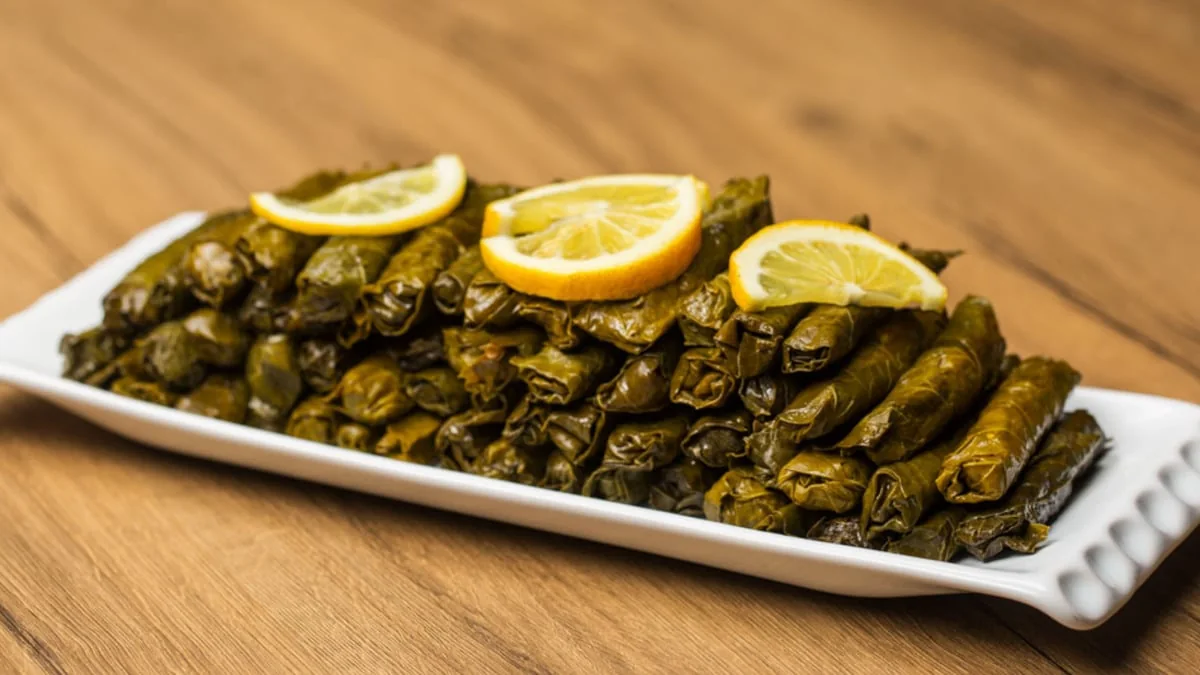
| Stuffed vine leaves | 300 kcal | 5 g | 13 g |
| Spring rolls | 320 kcal | 9 g | 15 g |
| Caprese salad | 320 kcal | 16 g | 25 g |
| Chicken shish skewers | 380 kcal | 46 g | 18 g |
| Crispy cheese rolls (sigara böreği) | 380 kcal | 13 g | 22 g |
Two patterns stand out. Chicken skewers and ceviche give far more protein for their calories than anything else on the table, which helps you feel satisfied. Fried pastries and dips made with a lot of oil, avocado, nuts or cheese are the densest; they are delicious, so taste them rather than graze on them all evening. Hummus with raw vegetables and stuffed vine leaves sit comfortably in between.
How much do drinks add?
Drinks are often the biggest calorie source at a party and the easiest to overlook. Alcohol has 7 kcal per gram, and a US standard drink contains about 14 g of pure alcohol, according to the NIAAA. That is about 100 kcal from the alcohol alone, before any sugar from mixers, juice or the drink itself. Examples of one standard drink:
- 355 ml (12 oz) of regular beer at 5% alcohol
- 150 ml (5 oz) of wine at 12% alcohol
- 45 ml (1.5 oz) of spirits at 40% alcohol
Many glasses served at parties hold more than one standard drink, and cocktails with syrup, cream or juice can add as much again. Four drinks across an evening can easily reach 500–800 kcal. Alcohol also lowers restraint, which is why the snack bowl often empties after the second glass. The guide to calories in beer, wine and rakı has the details.
What should you do before the event?
- Eat normally during the day. Skipping meals to "save up" usually means arriving very hungry and eating fast. A protein-rich lunch and a normal afternoon snack work better.
- Have a small snack beforehand if dinner will be served late, for example yogurt or a piece of fruit with a few nuts.
- Decide on your drinks in advance: how many, and what you will drink in between.
- Offer to bring a dish. A big vegetable platter, a bean salad or chicken skewers guarantees at least one lighter option you enjoy.
What helps during the party?
- Look at everything first. Walk past the whole buffet before taking anything, then choose the things you really want.
- Use a plate. Eating from a plate instead of picking from platters makes portions visible. Half vegetables or salad, a protein, and a little of your favourite treats is a good template.
- Move away from the food table. Conversations next to the snacks lead to constant grazing.
- Alternate drinks with water or a sparkling water with lemon.
- Eat slowly and pause. Putting the plate down between bites helps you notice fullness; see mindful eating.
- Say no politely. "It was lovely, I'm full" is enough. You do not have to explain your goals.
What if you are the host?
Hosting gives you the most control. Put out a large vegetable platter with a yogurt or bean dip, include at least one protein such as skewers, grilled fish or a lentil dish, and offer interesting non-alcoholic drinks so guests who are not drinking have a real choice. Serving desserts later in the evening, in small pieces, keeps the table from becoming an all-night buffet.
What if you ate more than planned?
Nothing needs fixing. One evening of extra food can raise the scale the next morning, but much of that is water and food weight from extra salt and carbohydrate, not fat. Go back to your normal meals the next day: no fasting, no punishing workout. If you like numbers, log the evening honestly and look at your weekly average rather than the single day. The guide to keeping your weekly average shows how one big day fits into a week. Sporty makes it quick to log a mixed party plate from a photo, which you can adjust afterwards.
What about busy seasons with many events?
When there are several events in a short period, such as the end-of-year season or a run of weddings, the weekly approach matters even more. Choose which events are worth a full celebration and keep the others simpler. Keep regular meals and activity on the days in between. The Christmas and New Year guide has more ideas for festive tables.
Do not try to offset a busy social week with very low intake on other days: women should not go below about 1,200 kcal a day and men below 1,500 kcal without medical supervision. The CDC notes that a gradual, steady pace is what helps weight stay off. If social eating regularly leads to loss of control or distress, talk to a doctor or registered dietitian; support is available.
Frequently asked questions
Should I skip meals before a party?
It usually backfires. Arriving very hungry makes it harder to choose and to eat slowly. Eat normal meals and, if dinner is late, have a small protein snack beforehand.
How many calories are in party drinks?
A standard drink has about 14 g of alcohol, which is roughly 100 kcal before any mixer. Large glasses, cocktails with syrup or juice and several refills can add 500–800 kcal over an evening.
Will one party make me gain weight?
The scale may rise the next morning, mostly from water and food weight after extra salt and carbohydrate. Fat gain from a single evening is small, and returning to normal meals is enough.
How do I say no to food without being rude?
A simple, friendly line such as "It was lovely, I'm full" is enough. You do not need to explain your goals, and taking a small taste can also be a polite option.
Was this article helpful?
No ratings yet — be the first.
Tap a star to rate it — your rating helps us improve and helps other readers.
Sources
This article is general information, not medical advice. If you have a health condition, are pregnant or under 18, talk to a doctor or registered dietitian before changing your diet.