

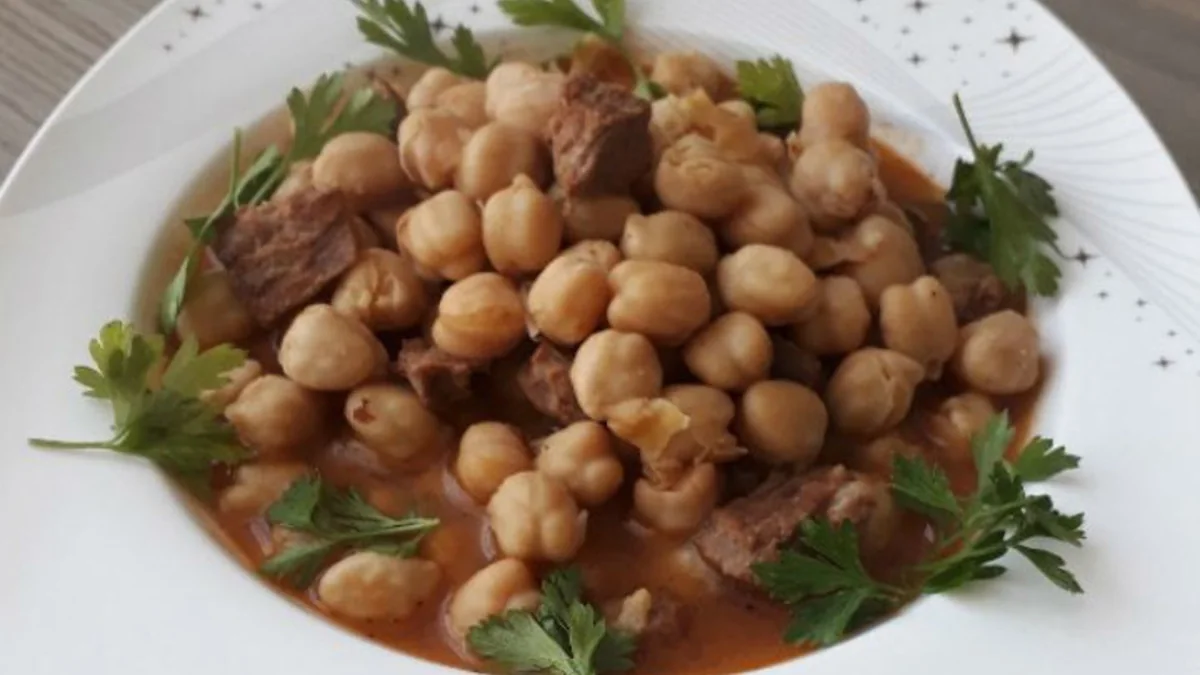
Broth-based soups and tomato-based stews are the lightest comfort foods. In Sporty's estimates, chicken soup is about 260 kcal and goulash or chili con carne 450 to 480 kcal with over 30 g of protein, while lasagna and mac and cheese reach about 620 kcal. Less cream, cheese and oil plus added pulses make the difference.
Key takeaways
- Broth-based soups are about 200–260 kcal per bowl in Sporty's estimates.
- Goulash and chili con carne are about 450–480 kcal with over 30 g of protein.
- Lasagna and mac and cheese reach about 620 kcal, mainly because of fat.
- Measure cooking oil, swap cream for yogurt and add beans or lentils for fibre.
- Start with soup, centre the plate on protein and choose one starch.
Can comfort food fit a weight-loss plan?
Yes. Warm stews, soups, curries and bakes can be some of the most filling meals in a calorie deficit, because they combine protein, vegetables, pulses and plenty of liquid. What turns a comfort dish into a heavy one is usually not the dish itself but a few ingredients: cream, butter, large amounts of cheese, generous oil and a big pile of pasta or bread on the side. Change those and the bowl stays just as warming.
The numbers below are Sporty's per-serving estimates for dishes in the app's catalog. Real values depend on the recipe and the portion, so treat them as a realistic starting point rather than exact figures.
Which cold-weather dishes are lightest?
Here are common comfort dishes from several cuisines, from lightest to heaviest per serving:
| Dish | Calories | Protein | Fat |
|---|---|---|---|
| Tomato soup | 200 kcal | 5 g | 10 g |
| Red lentil soup | 250 kcal | 13 g | 6 g |
| Chicken soup | 260 kcal | 22 g | 8 g |
| Minestrone | 260 kcal | 10 g | 6 g |
| Goulash | 450 kcal | 34 g | 20 g |
| Meat and vegetable casserole | 460 kcal | 34 g | 26 g |
| Chickpea stew with beef | 470 kcal | 30 g | 18 g |
| Chili con carne | 480 kcal | 34 g | 20 g |
| Beef stroganoff | 560 kcal | 36 g | 28 g |
| Ramen | 560 kcal | 30 g | 18 g |
| Lasagna | 620 kcal | 32 g | 30 g |
| Mac and cheese | 620 kcal | 24 g | 29 g |
Broth-based soups are the lightest group, and a soup with chicken or lentils brings useful protein for its calories. Tomato-based stews such as goulash and chili con carne land around 450 to 480 kcal with over 30 g of protein. Cheese-and-pasta bakes and cream sauces sit at the top, mainly because of their fat.
What simple swaps make comfort food lighter?
Swapping one dish for a similar one is often easier than reworking a recipe. Using the same estimates:
| Instead of | Try | Calories saved | Protein change |
|---|---|---|---|
| Ramen (560 kcal) | Chicken soup (260 kcal) | 300 kcal | −8 g |
| Lasagna (620 kcal) | Goulash (450 kcal) | 170 kcal | +2 g |
| Mac and cheese (620 kcal) | Chili con carne (480 kcal) | 140 kcal | +10 g |
| Beef stroganoff (560 kcal) | Meat and vegetable casserole (460 kcal) | 100 kcal | −2 g |
Lighter does not always mean fewer calories. A mushroom risotto is about 480 kcal with 12 g of protein, while chicken curry with bulgur is about 520 kcal with 44 g. The curry has 40 kcal more but will probably keep you full for longer, which matters on a cold evening when snacking is tempting.
How can you lighten your own recipes?
Measure the fat at the start
Fat has 9 kcal per gram, against 4 kcal for protein and carbohydrate. Many stews start with onions softened in oil or butter, and a single tablespoon adds over 100 kcal. Measuring one spoon instead of pouring, and using a lid so vegetables steam as they soften, keeps the flavour and trims the total.
Swap cream for yogurt or purée
Stirring in yogurt at the end, off the heat, gives creaminess with protein. Blending part of a soup, or cooking a handful of red lentils into a sauce, thickens it without cream or a flour-and-butter roux.
Add pulses and vegetables
Beans, lentils and chickpeas make stews more filling and add fibre. The NHS recommends 30 g of fibre a day for adults and notes that most get only about 20 g. Pulses count as one of your five-a-day however much you eat, so add vegetables too: an adult portion is 80 g, and the WHO advises at least 400 g of fruit and vegetables a day. Frozen and tinned vegetables count and are handy in winter.
Choose leaner meat and use less cheese
Lean mince, chicken thighs with the skin removed or a mix of meat and lentils lowers fat while keeping protein. For bakes, a smaller amount of a strongly flavoured cheese on top gives more taste per gram than a thick layer of a mild one.
Watch the salt
Stock cubes, soy sauce and processed meats can make soups and stews salty. The WHO advises adults to keep salt below 5 g a day. Use herbs, spices, garlic, lemon and a low-salt stock to build flavour.
How do you build a warming plate that keeps you full?
- Start with soup. A bowl of lentil or vegetable soup before the main course adds volume for 200 to 260 kcal.
- Make protein the centre. Aim for a stew or bake with meat, fish, eggs, tofu or pulses rather than a mostly pasta or bread dish.
- Choose one starch. Rice, bread or potatoes, not all three. Potatoes with the skin on add fibre.
- Serve in a smaller bowl. Stews are easy to refill from the pot; plating once makes the portion visible.
- Cook once, eat twice. Most stews and soups keep well in the fridge or freezer, so a lighter batch on Sunday covers several weeknight meals. The CDC advises refrigerating cooked leftovers within two hours and keeping the fridge at 4 °C (40 °F) or below; reheat until hot all the way through.
For example, red lentil soup with goulash is about 700 kcal with 47 g of protein, about 80 kcal more than a portion of lasagna, but with 15 g more protein plus the fibre from the lentils. Logging a home-made stew is easier with a photo: Sporty estimates the bowl from a picture, and you can adjust the portion afterwards. For more ideas, see filling soups from around the world and one-pot dinners under 600 calories. The idea behind all of them is explained in calorie density.
Is it normal to eat more in winter?
Many people feel like heavier food when it is cold and dark, and that is fine. Weight change follows your intake across weeks, not one hearty dinner. There is no need to compensate by eating very little the next day; going below about 1,200 kcal a day for women or 1,500 kcal for men should only happen under medical supervision.
This article is general information, not medical advice. If you have high blood pressure, kidney disease or diabetes, are pregnant, under 18 or have a history of disordered eating, talk to a doctor or registered dietitian about what suits you.
Frequently asked questions
What is the lowest-calorie comfort food?
Broth-based soups such as tomato, lentil, chicken or minestrone are the lightest, at about 200 to 260 kcal per bowl in Sporty's estimates. Chicken and lentil soups also bring useful protein.
Are stews good for weight loss?
Stews built on lean meat, pulses and vegetables can be very filling for their calories; goulash and chili con carne are about 450 to 480 kcal with over 30 g of protein. Cream, a lot of oil and large sides of bread raise the total.
How can I make a creamy soup without cream?
Blend part of the soup, cook red lentils or potato into it, or stir in yogurt off the heat. These give a creamy texture with less fat.
Can I freeze lighter stews and soups?
Most soups and stews freeze well. Cool them quickly, refrigerate within two hours of cooking and reheat until piping hot.
Was this article helpful?
No ratings yet — be the first.
Tap a star to rate it — your rating helps us improve and helps other readers.
Sources
This article is general information, not medical advice. If you have a health condition, are pregnant or under 18, talk to a doctor or registered dietitian before changing your diet.