

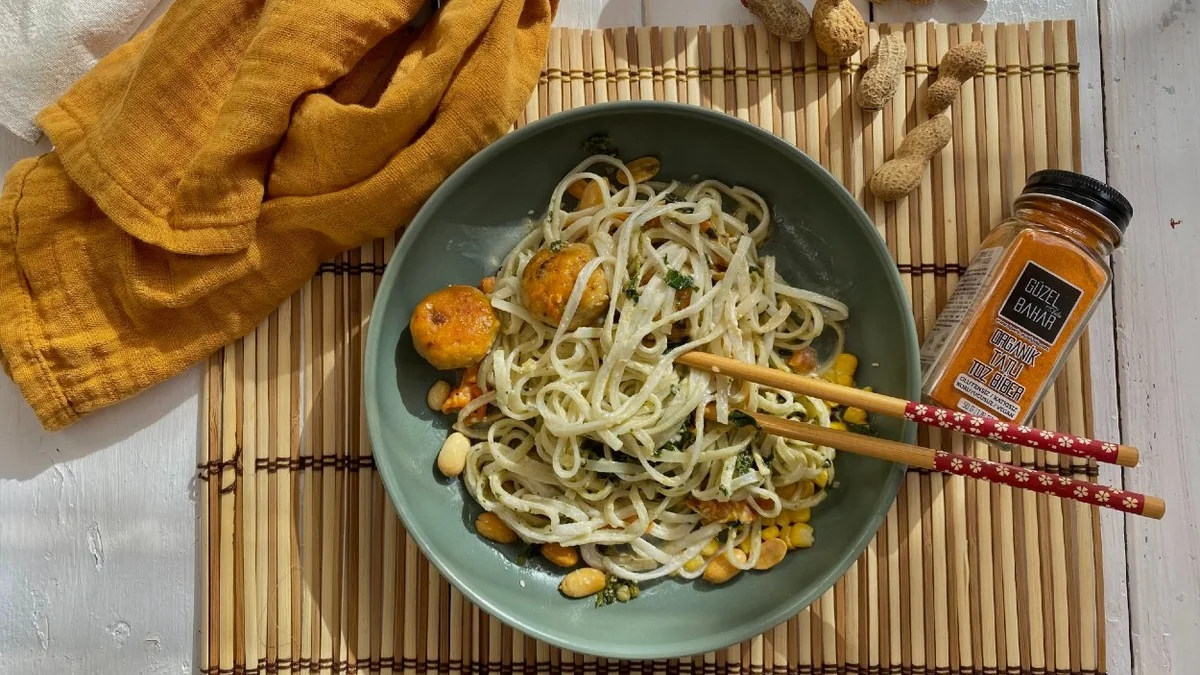
Photograph the plate before you start, then add what the camera cannot see: cooking oil, butter, sauces, drinks and bread. Log only what you actually ate, split shared dishes by your share, and check the estimate against a similar dish you know. An honest estimate logged on time beats a perfect number you never enter.
Key takeaways
- Restaurant meals are harder to estimate because of hidden oil, butter, sauces and larger portions.
- Take the photo before eating, with the whole plate in frame, and add a short note about anything hidden.
- Log only what you ate: half a pizza or a shared starter is a portion change, not a new meal.
- Compare the result with a familiar reference dish; a pad thai or burrito is typically 550–650 kcal in Sporty's estimates.
- One imperfect restaurant entry matters far less than logging consistently across the week.
Why are restaurant meals harder to log?
At home you know what went into the pan; in a restaurant you only see the result. Kitchens often use more oil and butter than home cooks, sauces are finished with cream or sugar, and portions are frequently larger than a standard serving. None of that is visible in a photo, which is why restaurant meals are the entries most likely to be off.
The goal is not a perfect number. It is an honest, consistent estimate that you actually log. A guess within a reasonable range, entered every time, gives you far more useful information over a month than precise logging at home and blank days whenever you eat out.
What is the best way to log a restaurant plate?
For most plated meals, a photo is the fastest starting point. In Sporty, a photo result lists the ingredients the AI recognised, shows a calorie range and a confidence level, and lets you edit portions and values before saving. A few habits make that first estimate much better:
- Photograph before the first bite. Keep the whole plate or bowl in frame, with the rim or cutlery visible for scale. Shoot at a slight angle so depth is visible.
- Capture the sides. Bread baskets, fries, dips and drinks belong in the log too. Photograph them separately if they sit apart.
- Add a short note. "Creamy sauce", "fried", "extra cheese" or "glass of orange juice" tells the estimate what the camera missed.
- Review before saving. Check the ingredient list, remove anything wrong and add what is missing, above all oil, butter and sauces.
If a photo is awkward, for example at a business lunch or in a dark room, describe the meal by voice or text afterwards. Our guide to voice and text logging shows how to phrase a description so it covers what, how much, how it was cooked and what was added. For the limits of photo estimates, see AI photo calorie counting.
Which hidden extras should you always add?
The same few items explain most of the gap between a restaurant estimate and reality. Fat has 9 kcal per gram, more than twice the 4 kcal per gram of protein or carbohydrate, and one tablespoon of olive oil adds roughly 120 kcal (USDA FoodData Central).
| Hidden extra | Where it hides | What to log |
|---|---|---|
| Cooking oil and butter | Stir-fries, sautéed vegetables, rice, grilled meat brushed with butter | Add "cooked in oil" or one to two tablespoons of oil |
| Creamy or sweet sauces | Pasta, curries, teriyaki and glazed dishes | Name the sauce; note if it was generous |
| Dressings and dips | Salads, wraps, burgers, starters | Log the dressing separately if it came on the side |
| Bread and extras | Bread basket, garlic bread, chips with dips | Count what you ate, not what was on the table |
| Drinks | Soft drinks, juices, alcohol, sweet coffees | Log every glass or cup |
How do you log shared dishes and leftovers?
Shared meals are where logs most often go wrong. Use simple fractions:
- Shared starters or mezze. Log the whole dish, then reduce the portion to your share, for example a third if three people split it equally.
- Pizza. Log the slices you ate. If a whole pizza has eight slices and you ate three, that is three-eighths of the portion.
- Leftovers. If you left a quarter of the plate or took half home, edit the portion down before saving, or tap the meal later and change it.
- Buffets and family-style tables. Photograph each plate you fill rather than the serving dishes.
How can you sanity-check the estimate?
Compare the result with a dish whose calories you know. These are Sporty's per-serving estimates for common restaurant meals; real values depend on the recipe, restaurant and portion:
| Dish | Calories | Protein | Fat |
|---|---|---|---|
| Sushi rolls | 420 kcal | 18 g | 7 g |
| Chicken Caesar salad | 480 kcal | 38 g | 28 g |
| Poke bowl | 540 kcal | 34 g | 18 g |
| Margherita pizza | 560 kcal | 23 g | 20 g |
| Pad thai with chicken | 580 kcal | 32 g | 20 g |
| Hamburger | 640 kcal | 34 g | 34 g |
| Burrito | 650 kcal | 34 g | 22 g |
| İskender kebab | 720 kcal | 40 g | 40 g |
If your restaurant pad thai comes out at 300 kcal, something is probably missing, such as the oil or the noodles. If a chicken Caesar salad shows over 1,000 kcal, check whether the portion was doubled. Use the calorie range and confidence level as a guide: a wide range or low confidence is a signal to add detail.
What should you watch for in different cuisines?
Every cuisine has its own hidden calories, and knowing them makes the note easier to write:
- Asian. Oil and sweet sauces in stir-fries, mayonnaise-based sauces on sushi and fried tempura pieces make the difference. State the rice portion separately.
- Italian. Creamy pasta sauces and grated cheese, and on pizza the amount of cheese and thickness of the base.
- Kebab and döner shops. Butter and yogurt sauce on the bread or flatbread are easy to miss. Add the rice and grilled vegetables served alongside.
- Mexican. Cheese, sour cream and guacamole grow the portion quickly; mention the rice and beans inside a burrito or tacos.
- Breakfast and brunch. Butter, jam, honey, fried sides and sweet drinks are the items most often forgotten.
What if the restaurant publishes nutrition information?
Many chains publish calories for their menu. If the dish matches what you ordered, you can enter those values manually, or log the item by text and adjust the numbers to match. Remember that published values assume the standard recipe; extra sauce, cheese or a side changes the total. For packaged items such as a bottled drink or a wrapped snack, scanning the barcode is usually the most accurate option.
Does one restaurant meal ruin your progress?
No. Your weight follows your average intake across weeks, not one dinner. A restaurant meal that is a few hundred calories higher than planned uses part of the week's deficit; it does not cancel it. There is no need to skip meals the next day to make up for it. Keep logging, return to your usual meals, and look at the weekly picture. Our restaurant guide has ordering tips if you eat out often.
This article is general information, not medical advice. If you follow a medical diet, for example for diabetes or kidney disease, ask your doctor or registered dietitian how precise your logging needs to be.
Frequently asked questions
Should I photograph restaurant food before or after eating?
Before. Photograph the full plate first, then reduce the portion afterwards if you leave a noticeable amount.
How do I log food I shared with others?
Log the whole dish and reduce the portion to your share, for example a third of a starter split between three people.
Why does my restaurant estimate seem too low?
Cooking oil, butter, sauces, bread and drinks are often missing. Add them to the entry, as fat alone adds 9 kcal per gram.
Is it worth logging restaurant meals if the numbers are not exact?
Yes. A reasonable estimate logged every time shows your real weekly pattern far better than skipping the meals you eat out.
Was this article helpful?
No ratings yet — be the first.
Tap a star to rate it — your rating helps us improve and helps other readers.
Sources
This article is general information, not medical advice. If you have a health condition, are pregnant or under 18, talk to a doctor or registered dietitian before changing your diet.