 Sporty
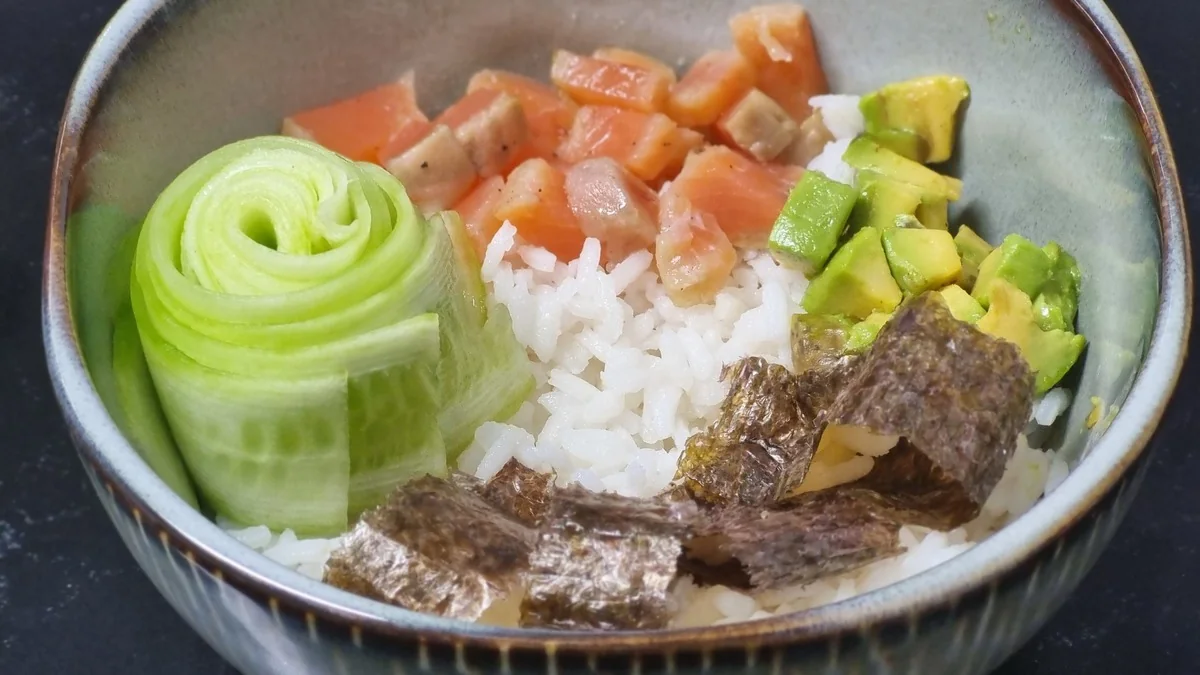
AI photo calorie counting identifies the foods on your plate, estimates portion sizes from visual cues and converts them to calories with nutrition reference data. It works well for visible, separate foods but can miss hidden oil, sauces, mixed-dish ingredients and portion depth, so treat each result as an editable estimate and correct it before saving.
Key takeaways
- A photo result is an estimate built from recognition, portion guessing and reference data, not a measurement.
- It is most reliable for whole foods and plates with clearly separate components.
- Hidden oil, sauces, mixed dishes and portion depth are the main sources of error.
- Shoot at about 45 degrees with the whole plate in frame, and note invisible ingredients like cooking oil.
- Combine methods: barcode for packaged food, photo for plates, manual entry for calorie-dense extras.
How does AI photo calorie counting work?
When you photograph a meal, an AI model does three jobs in quick succession. First it recognizes what is on the plate: rice, grilled chicken, a spoonful of yogurt, a slice of bread. Second it estimates portions, using cues such as the size of the plate, how much of it each food covers and typical serving sizes. Third it converts those amounts into calories and macronutrients using nutrition reference data, the same kind of per-100 g values published in databases such as USDA FoodData Central.
The output is an estimate, not a measurement. A camera sees surfaces: it cannot weigh food or detect what was stirred into it. A trustworthy app is open about that. In Sporty, every photo result lists the ingredients the model identified, shows a calorie range instead of a falsely precise single number, and states a confidence level, and you can edit any ingredient or portion before you save the meal.
Where is photo estimation most reliable?
Photo logging works best when the food is visible, separate and familiar. Typical easy cases:
- Single whole foods. A banana, an apple, two boiled eggs. Shape and size are predictable, and reference values are well established.
- Plated meals with distinct components. Grilled chicken next to rice and salad, where each item sits in its own area of the plate.
- Dishes with fairly standard recipes. A lahmacun or a bowl of red lentil soup is made in broadly similar ways everywhere, so a sensible reference exists. Sporty's per-serving estimate for lahmacun is 430 kcal, and for red lentil soup 250 kcal; real values still depend on recipe and portion.
Where does photo calorie counting struggle?
The weak spots are predictable, and knowing them is the fastest way to get numbers you can trust.
Hidden oil and butter
Fat provides 9 kcal per gram, more than twice the 4 kcal per gram of protein or carbohydrate. One tablespoon of olive oil adds roughly 120 kcal and about 14 g of fat (USDA FoodData Central), and once it has soaked into vegetables, rice or bread it is almost invisible. Two plates of sautéed vegetables can look identical in a photo and still differ by a few hundred calories.
Sauces and dressings
Creamy dressings, tahini, mayonnaise-based sauces and melted cheese are often hidden under the food or mixed into it. A Caesar salad with a light drizzle of dressing and one drenched in it are different meals, but the photos may look alike.
Mixed dishes
Stews, casseroles, pilafs, pasta bakes and stuffed vegetables combine many ingredients in proportions the camera cannot see, so the model has to assume a typical recipe. Homemade karnıyarık, for example, depends heavily on how much oil the eggplant absorbed while frying.
Portion depth and hidden layers
A photo taken straight from above shows area, not depth. A deep bowl of pasta and a shallow plate of the same pasta can look similar. Food stacked under other food, such as rice under a stew, may not be visible at all.
Lookalike products
Full-fat and low-fat yogurt, regular and sugar-free drinks, white and wholegrain bread often look the same on camera while their nutrition differs.
How do you take better food photos for calorie estimates?
- Shoot at about 45 degrees. A slight angle shows both the surface and the height of the food, which helps with portion depth. For flat dishes such as pizza, a top-down shot is fine.
- Keep the whole plate or bowl in frame. The rim and a fork or spoon next to it give the model a sense of scale.
- Use good light. Daylight or bright indoor light, no heavy shadows, no filters.
- Separate items when you can. If the sauce or dressing comes on the side, photograph it before you mix it in.
- Photograph before you eat. If you leave a substantial amount, reduce the portion afterwards.
- Add a short note for what the camera cannot see. “Fried in 2 tbsp olive oil” or “with full-fat yogurt” closes exactly the gap a photo leaves.
How should you check and correct a photo result?
Treat the AI result as a first draft and review it in this order:
- Ingredients. Is everything there? Remove anything that is wrong and add what was missed, above all cooking oil, butter, sauces and drinks.
- Portions. If you know the amount, such as one cup of rice, 150 g of chicken or two slices of bread, enter it. A known quantity beats a visual guess every time.
- Range and confidence. A wide range or a low confidence level is a prompt to look at the ingredient list more carefully, not a failure. A stew photographed from above should carry a wider range than a boiled egg.
A worked example: you photograph a plate of grilled chicken, rice and salad. The result lists all three but no oil. You know the salad had one tablespoon of olive oil, so you add it. That single edit adds about 120 kcal, which over a week of similar lunches is roughly 840 kcal that would otherwise go unrecorded. This is the kind of correction that keeps a food log honest.
Photo, barcode or manual logging: which should you use?
Each method has a job it does best. Most people get the most reliable log by mixing them.
| Method | Best for | Main limitation | Effort |
|---|---|---|---|
| Photo | Home-cooked and restaurant plates, mixed meals | Cannot see hidden oil, sauces or depth; needs review | Low |
| Barcode | Packaged foods with a nutrition label | Only as accurate as the label and the portion you enter | Low |
| Manual search or weighing | Foods you eat often, calorie-dense items such as oils, nuts and cheese | Slow; easy to skip on busy days | High |
| Voice or text description | Meals already eaten, or when a photo is impractical | Depends on how specific your description is | Low |
A practical rule: scan the barcode whenever there is one, photograph plates, and type or weigh the few calorie-dense extras that photos miss. Consistency matters more than perfection. A log that is roughly right every day is more useful than a precise one you abandon after a week.
Is AI photo calorie counting accurate enough for weight loss?
It can be, if you use it as an estimate you check rather than a verdict. No method based on looking at food is exact, and even nutrition labels and database values are averages. Body weight responds to trends over weeks, so random small errors in single meals tend to matter less than systematic ones, such as always forgetting the cooking oil. If your logged intake and your weight trend disagree over several weeks, start by reviewing the meals you log most often, beginning with fats and sauces.
For the bigger picture, see how many calories you need to lose weight and how a calorie deficit works. If you are pregnant, have a medical condition, are under 18 or have a history of disordered eating, talk to a doctor or registered dietitian before tracking calories closely.
Frequently asked questions
Can AI count calories from a photo?
Yes, it can estimate them. The model recognizes foods, guesses portions from visual cues and applies nutrition reference values, so the result is an estimate you should review and edit, not an exact measurement.
Why does a photo underestimate my meal?
The most common reason is fat the camera cannot see, such as cooking oil, butter or a creamy sauce. One tablespoon of oil is roughly 120 kcal, so add it manually when you know it was used.
Is barcode scanning more accurate than a photo?
For packaged foods, usually yes, because it uses the product's nutrition label. You still need to enter the portion you actually ate.
What angle is best for food photos?
About 45 degrees with the whole plate in frame works well for most meals because it shows both surface and height. Flat foods like pizza can be shot from above.
Should I weigh food instead?
Weighing is the most precise method but takes effort. Many people weigh only calorie-dense items like oils, nuts and cheese and use photos or barcodes for the rest.
Sources
This article is general information, not medical advice. If you have a health condition, are pregnant or under 18, talk to a doctor or registered dietitian before changing your diet.