

Yes, most plain frozen and canned foods are healthy. WHO says frozen and canned fruit and vegetables are good choices if they have no added sugars or excess sodium, and frozen produce keeps vitamins about as well as fresh. The main things to check are salt in canned vegetables and beans, syrup on fruit and oil on fish.
Key takeaways
- WHO and the NHS both count frozen and canned fruit and vegetables as part of a healthy diet.
- A 2015 study found frozen produce had vitamin levels comparable to, and sometimes higher than, fresh.
- Canned beans and vegetables often contain added salt; choose no-added-salt versions and rinse beans.
- Tuna in oil has about 80 kcal more per 100 g than tuna in water, even when drained.
- Frozen ready meals and canned soups are different products; check the label for salt and fat.
Are frozen and canned foods less healthy than fresh?
Not automatically. The World Health Organization's healthy diet guidance says that frozen and canned fruit and vegetables are also good choices, as long as they do not come with added sugars or excess sodium. The NHS takes the same view: frozen and tinned fruit and vegetables count towards your 5 A Day, and 80 g of fresh, frozen or canned produce counts as one portion.
The idea that "fresh is always better" mostly comes from comparing a crisp vegetable at the market with a tired one from a can. In practice, fresh produce often spends days in transport and in the fridge before it is eaten, while frozen produce is usually processed soon after harvest. What matters more than the format is what has been added to it, and how much of it you actually eat.
What happens to vitamins when food is frozen?
A 2015 study from the University of California, Davis compared eight fruits and vegetables (corn, carrots, broccoli, spinach, peas, green beans, strawberries and blueberries) stored fresh in the fridge or frozen. Vitamin C showed no significant difference for five of the eight and was higher in the frozen samples for the other three. Overall, the researchers found the vitamin content of frozen produce comparable to, and sometimes higher than, fresh. The exception was beta-carotene, which dropped in some frozen vegetables such as peas, carrots and spinach.
So frozen vegetables are a fair stand-in for fresh ones, and often a better one than fresh vegetables that sit in the fridge until they wilt. Canning involves heat, which can reduce some heat-sensitive vitamins, but the fibre, protein and minerals in beans, fish and tomatoes stay largely intact.
Where do canned foods differ: salt, sugar and oil
The real differences are in the packing liquid. The numbers below are per 100 g from USDA FoodData Central.
| Food (per 100 g) | kcal | Key difference |
|---|---|---|
| Chickpeas, canned, drained | 139 | 246 mg sodium |
| Chickpeas, home-boiled without salt | 164 | 7 mg sodium |
| Chopped tomatoes, canned in juice | 16 | 115 mg sodium |
| Chopped tomatoes, canned, no salt added | 16 | 10 mg sodium |
| Light tuna in water, drained | 116 | 0.8 g fat |
| Light tuna in oil, drained | 198 | 8.2 g fat |
| Peaches in heavy syrup (with syrup) | 74 | 18.6 g sugar |
| Peaches in juice (with juice) | 44 | 10.3 g sugar |
Three patterns stand out. Canned beans and vegetables usually carry added salt, so choose "no added salt" versions where you can, and drain and rinse beans to wash off some of the salty liquid. Fish packed in oil has roughly 80 kcal more per 100 g than fish packed in water, even after draining. And fruit in syrup has far more sugar than fruit in juice or water. WHO advises keeping salt under 5 g a day, and our guide to salt and sodium limits shows how quickly packaged foods add up.
Which frozen and canned foods are worth keeping at home?
- Frozen vegetables: broccoli, spinach, peas, green beans and mixed vegetables. Frozen broccoli has about 26 kcal and 3 g of fibre per 100 g, and it is ready in minutes.
- Frozen fruit: berries and mango for yogurt, oats or smoothies, without the waste of fresh berries that spoil in two days.
- Canned beans and lentils: chickpeas, kidney beans and white beans give protein and fibre without soaking or long cooking. Drained canned kidney beans have about 8 g of protein and 5.5 g of fibre per 100 g.
- Canned fish: tuna, salmon and sardines. Drained canned pink salmon has about 23 g of protein per 100 g.
- Canned tomatoes: the base for sauces, soups and stews in almost every cuisine.
- Frozen plain fish fillets and chicken: handy for quick dinners, as long as they are not breaded or pre-fried.
These staples are also some of the cheapest ways to eat well; see our budget weekly shopping list for a full plan.
What about frozen ready meals and canned soups?
This is where the picture changes. A bag of plain frozen peas is a minimally processed food, but a frozen pizza, breaded fish fingers or a creamy ready meal is a different product, often higher in salt, fat and calories per bite. Canned soups and ready-made sauces can also be high in salt. The freezer or the can is not the problem; the recipe is. Our article on ultra-processed foods explains the difference.
For any packaged product, the label tells you what you need: the ingredients list (is there anything besides the food and water?), salt per 100 g and sugar per 100 g. Our guide on how to read a nutrition label walks through it step by step.
What do real meals built from the cupboard look like?
Many everyday dishes around the world are already built on canned or frozen ingredients. The numbers below are Sporty's per-serving estimates; real values depend on recipe and portion.
| Dish | Canned or frozen part | kcal | Protein |
|---|---|---|---|
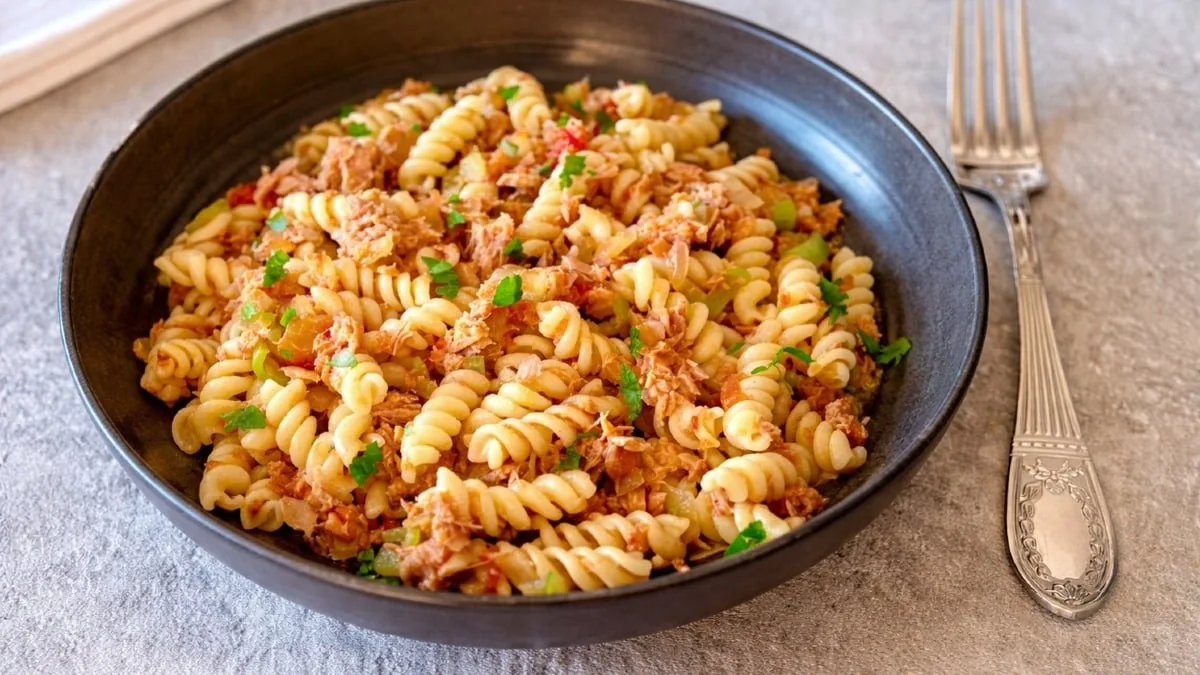
| Tuna pasta | Tuna, tomato sauce | 540 | 32 g |
| Chili con carne | Kidney beans, chopped tomatoes | 480 | 34 g |
| Chickpea stew | Chickpeas | 360 | 16 g |
| Minestrone | Cannellini beans, tomatoes | 260 | 10 g |
| Tuna salad and yogurt | Tuna | 480 | 52 g |
A simple rule for a cupboard dinner: one can of protein (beans or fish), one bag of frozen vegetables, one whole-grain base, and herbs or spices instead of extra salt. If you log meals in Sporty, you can scan the barcode on a can or frozen bag, then adjust the weight to what you actually used.
Do frozen and canned foods help with weight loss?
Indirectly, yes. They make it easier to have vegetables and lean protein in the house on busy days, which reduces the pull of takeaway. They also make portions easier to control, because a can or a pack has a known weight. The calories themselves are not higher than fresh, as long as you watch for oil, syrup, sauces and breading.
If you have kidney disease or high blood pressure and have been told to limit sodium or potassium, ask your doctor or a registered dietitian which canned products suit you.
Frequently asked questions
Are frozen vegetables as nutritious as fresh?
Generally yes. A 2015 comparison of eight fruits and vegetables found frozen samples had vitamin levels comparable to, and sometimes higher than, fresh ones stored in the fridge, although beta-carotene fell in some vegetables.
Do canned fruit and vegetables count towards 5 A Day?
Yes. The NHS counts 80 g of canned fruit or vegetables as one portion and recommends choosing products in water or natural juice without added sugar or salt.
Should I rinse canned beans?
Draining and rinsing canned beans washes off some of the salty liquid. Choosing no-added-salt cans lowers sodium further.
Is canned tuna good for weight loss?
It is a cheap, high-protein option. Tuna in water has about 116 kcal per 100 g drained, compared with about 198 kcal for tuna in oil.
Was this article helpful?
No ratings yet — be the first.
Tap a star to rate it — your rating helps us improve and helps other readers.
Sources
This article is general information, not medical advice. If you have a health condition, are pregnant or under 18, talk to a doctor or registered dietitian before changing your diet.