

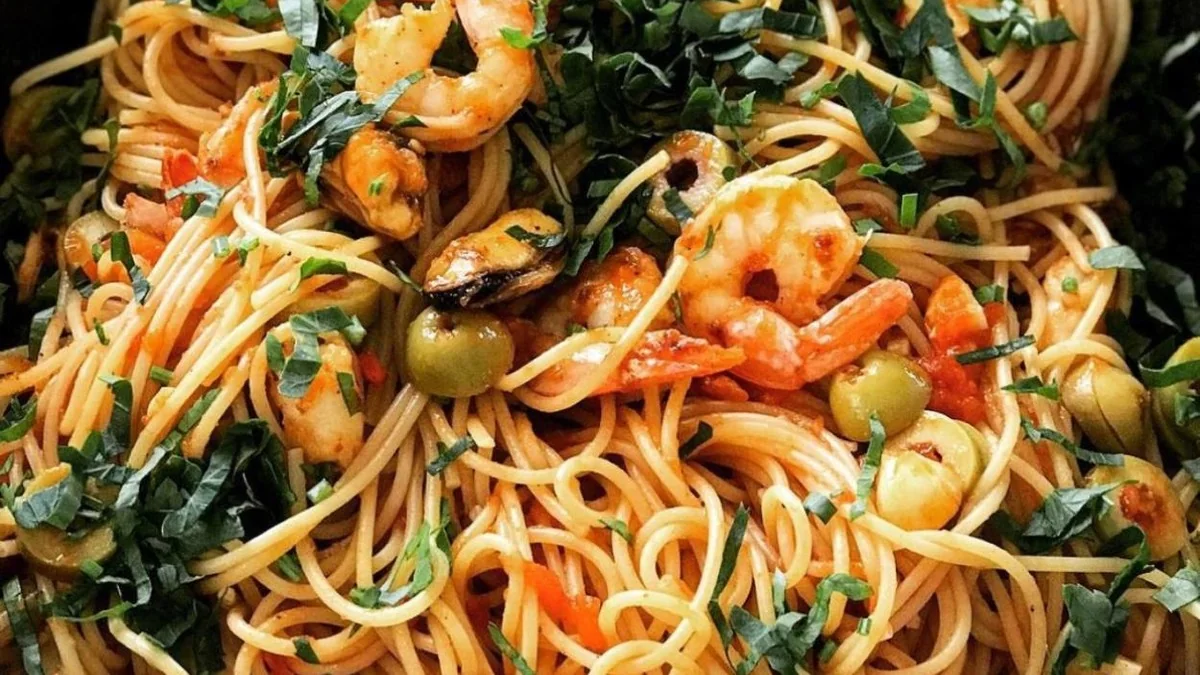
Healthy cooking for one works best with a few flexible ingredients, meals that use them twice and a freezer. In Sporty's estimates, a vegetable omelette is about 320 kcal, chicken fajitas 460 kcal and tuna pasta 540 kcal. Cook two portions, refrigerate the second within two hours and eat it the next day.
Key takeaways
- Single-portion meals such as omelettes, fajitas and tuna pasta land at about 320–560 kcal in Sporty's estimates.
- Cook two portions on purpose and keep one for lunch or the freezer.
- Refrigerate leftovers within two hours and reheat them to 74 °C (165 °F), as the CDC advises.
- Frozen and tinned vegetables count toward five-a-day and reduce waste.
- Portion the second serving before you eat and measure oil and dry carbohydrates.
Why is healthy cooking for one harder?
Cooking for one is not harder because of the recipes; it is harder because of the logistics. Packs of meat and vegetables are sized for families, half a bag of spinach goes off before you use it, and cooking a full meal for a single plate can feel like too much effort after a long day. That is often when takeaway, toast or snacking replaces dinner. The fix is a small system: a few flexible ingredients, meals that use them twice, and a freezer that does some of the work.
The calorie and protein numbers in this guide are Sporty's per-serving estimates for dishes in the app's catalog. Real values depend on the recipe and the portion, so use them as a realistic guide rather than exact figures.
What are simple healthy meals for one?
These single-portion meals take little equipment, use overlapping ingredients and land between about 300 and 560 kcal:
| Meal | Calories | Protein | Typical time |
|---|---|---|---|
| Vegetable omelette | 320 kcal | 22 g | 10 minutes |
| Oats, yogurt and fruit | 390 kcal | 22 g | 5 minutes |
| Tofu and vegetable sauté | 420 kcal | 32 g | 15 minutes |
| Grilled fish and vegetables | 450 kcal | 48 g | 20 minutes |
| Chicken fajitas | 460 kcal | 38 g | 20 minutes |
| Chicken wrap | 480 kcal | 34 g | 10 minutes |
| Tuna pasta | 540 kcal | 32 g | 15 minutes |
| Baked salmon and sweet potato | 540 kcal | 44 g | 30 minutes, mostly oven time |
| Shrimp pasta | 560 kcal | 30 g | 15 minutes |
Eggs, a tin of tuna, frozen fish or prawns, tofu and chicken cover most of the protein here, and they all keep well or come in small portions. A vegetable omelette is one of the quickest single-portion dinners, and tuna pasta can be made almost entirely from cupboard ingredients.
How do you cook once and eat twice?
The most useful habit for a household of one is planning leftovers on purpose. Cook two portions, eat one now and keep the other for lunch the next day or for the freezer. Some combinations that work well:
- Tray of chicken and vegetables. Roast chicken breast or thighs with peppers, onions and courgette. Eat it with rice or bulgur on day one, then fold the rest into a wrap with yogurt and salad on day two.
- Pot of lentils or beans. Cook a pot of lentil soup or a bean stew. Eat a bowl, refrigerate a portion for tomorrow and freeze two more in single containers.
- Pan of fajita filling. Sliced chicken with peppers and onions works in tortillas one night and on top of a salad or rice the next.
- Two salmon fillets. Bake both; serve one hot with sweet potato and flake the second cold into a grain salad.
Leftovers need care. The CDC advises refrigerating cooked food within two hours (within one hour if it has been somewhere above 32 °C, or 90 °F), keeping the fridge at 4 °C (40 °F) or below and reheating leftovers to 74 °C (165 °F). Shallow containers help food cool quickly. For a fuller system, see a simple weekly meal-prep plan.
What should a single-person kitchen keep in stock?
A short list of ingredients that last or come in small portions removes most of the waste:
- Protein: eggs, tinned tuna or sardines, frozen fish fillets or prawns, tofu, plain yogurt, chicken that can be split and frozen in single portions.
- Vegetables: frozen vegetables and spinach, tinned tomatoes, plus fresh ones that keep, such as carrots, cabbage, onions and peppers. Frozen and tinned vegetables count toward your five-a-day, and an adult portion is 80 g, according to the NHS.
- Carbohydrates: oats, bulgur, rice, wholewheat pasta, tortillas or bread kept in the freezer and toasted from frozen.
- Pulses: tinned chickpeas, beans and lentils, ready to add to salads and stews.
- Flavour: olive oil, spices, garlic, lemon, soy sauce and herbs, used in measured amounts.
Buying loose vegetables in the amount you need, or choosing frozen, avoids the half-used bag problem. The WHO advises at least 400 g of fruit and vegetables a day, and frozen bags make that easier when shopping only for yourself.
How do you keep portions right when cooking for one?
Recipes for four tend to become portions for two when only one person is eating. A few checks help:
- Portion before you eat. Put the second portion into a container before sitting down, so it becomes tomorrow's lunch rather than seconds.
- Measure dry carbohydrates. A typical single portion of dry pasta or rice is much smaller than it looks in the pan, so weigh it the first few times.
- Measure the oil. Fat has 9 kcal per gram, so a tablespoon of oil adds over 100 kcal. Pour into a spoon, not straight into the pan.
- Half the plate vegetables. Bulk up pasta, rice and noodle dishes with frozen vegetables.
If you do not own a kitchen scale, the guide to portion sizes without a scale uses hands, cups and spoons instead. Logging the plate takes seconds with a photo: Sporty estimates the meal from the picture and you can adjust the portion if it was larger or smaller than usual.
What does a day of cooking for one look like?
Here is one example using the same estimates: oats, yogurt and fruit for breakfast (390 kcal), yesterday's chicken wrap for lunch (480 kcal) and grilled fish with vegetables for dinner (450 kcal). That is about 1,320 kcal with 104 g of protein, leaving room for a snack or a larger portion depending on your target. Only one of those meals needed real cooking that day.
What if you do not feel like cooking at all?
Some evenings, even fifteen minutes feels like too much. Have a no-cook fallback that still gives you protein and vegetables: yogurt with oats and fruit, a wrap with tinned tuna and salad, or hummus with raw vegetables and bread. These are better than skipping dinner and then snacking later. For more fast options, see easy 15-minute dinners.
Eating alone can also mean eating in front of a screen or standing at the counter. Sitting down with a plate, even for a quick meal, makes it easier to notice when you are full.
This article is general information, not medical advice. If you have a medical condition that affects your diet, are pregnant, under 18 or have a history of disordered eating, talk to a doctor or registered dietitian about what suits you.
Frequently asked questions
What is the easiest healthy meal to cook for one?
An omelette with vegetables takes about 10 minutes and is around 320 kcal with 22 g of protein in Sporty's estimates. Tuna pasta and a chicken wrap are also quick single-portion options.
How should I store leftovers safely?
Refrigerate cooked food within two hours and keep the fridge at 4 °C (40 °F) or below. Freeze single portions of anything you will not eat soon, and reheat leftovers to 74 °C (165 °F).
How do I avoid wasting food when cooking for one?
Use frozen vegetables, buy fresh produce loose, plan meals that share ingredients and freeze single portions of soups, stews and bread.
Is it fine to eat the same meal two days in a row?
Yes. Eating a planned leftover is one of the simplest ways to eat well alone. Varying vegetables, sauces or the way you serve it keeps it interesting.
Was this article helpful?
No ratings yet — be the first.
Tap a star to rate it — your rating helps us improve and helps other readers.
Sources
This article is general information, not medical advice. If you have a health condition, are pregnant or under 18, talk to a doctor or registered dietitian before changing your diet.