

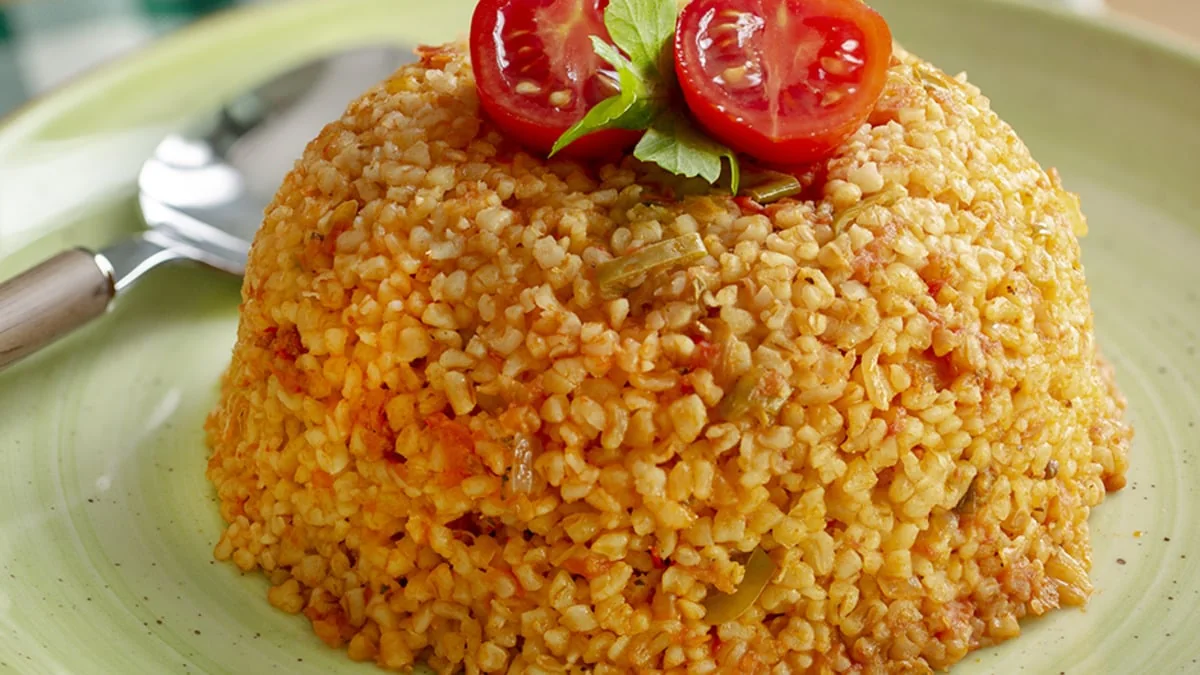
Grains absorb water and meat loses it, so the same food has different calories per 100 g raw and cooked. USDA data put dry white rice at 365 kcal per 100 g and cooked at 130 kcal; raw chicken breast is 120 kcal and roasted 165 kcal. Log the weight in the same state as the nutrition entry you use.
Key takeaways
- Rice, pasta and other grains roughly double or triple in weight when cooked, so calories per 100 g fall.
- Meat and fish lose water when cooked, so calories and protein per 100 g rise.
- Most logging errors come from weighing food cooked but using a raw (or dry) entry, or the other way round.
- Weighing raw is most accurate; for batch cooking, weigh the whole cooked pot and divide.
- Cooking yields vary with time, method and recipe, so treat conversion factors as estimates.
Why do raw and cooked weights differ?
Cooking moves water in or out of food. Rice, pasta, bulgur, couscous, lentils and other dry staples soak up water as they cook, so they get heavier without gaining any calories. Meat, poultry and fish do the opposite: heat squeezes out water (and a little fat), so the cooked piece weighs less than the raw one but holds almost the same protein.
The calories in the food barely change, but they are spread over a different weight. That is why a nutrition database lists separate entries for "raw" and "cooked", and why mixing them up is one of the most common calorie-counting errors.
How much do rice, pasta and grains change?
The table uses USDA FoodData Central values per 100 g. The "approximate cooked weight" column is our own estimate, calculated by dividing the calories per 100 g of the dry food by the calories per 100 g cooked. Real results depend on how much water you use and how long you cook.
| Food (USDA entry) | Dry, kcal per 100 g | Cooked, kcal per 100 g | 100 g dry becomes roughly |
|---|---|---|---|
| White rice, long-grain | 365 | 130 | 280 g cooked |
| Brown rice, long-grain | 367 | 123 | 300 g cooked |
| Pasta, enriched | 371 | 158 | 235 g cooked |
| Couscous | 376 | 112 | 335 g cooked |
| Quinoa | 368 | 120 | 305 g cooked |
| Bulgur | 342 | 83 | 410 g cooked |
| Lentils | 352 | 116 | 300 g cooked |
| Chickpeas | 378 | 164 | 230 g cooked |
A useful rule of thumb: cooked rice, quinoa and lentils weigh about three times their dry weight, and cooked pasta and chickpeas a little over twice. Packs of dry pasta and rice usually give nutrition per 100 g of the dry product, so the label number only applies if you weigh before cooking.
One note for pilaf and fried rice: the oil or butter in the pot is counted separately from the grain. USDA lists cooking oil at 884 kcal per 100 g, so a 13–14 g tablespoon adds about 120 kcal. If two tablespoons went into a pot that serves four, add that share to each plate. For lighter ways to build a pasta plate, see lighter pasta meals.
How much do meat and fish change?
For meat, water loss means calories and protein per 100 g go up after cooking. The yield column below is again our estimate, based on how protein per 100 g rises in the USDA entries, since protein stays in the meat while water leaves.
| Food (USDA entry) | Raw, per 100 g | Cooked, per 100 g | 100 g raw becomes roughly |
|---|---|---|---|
| Chicken breast, skinless (roasted) | 120 kcal, 22.5 g protein | 165 kcal, 31.0 g protein | 73 g cooked |
| Chicken thigh, skinless (roasted) | 121 kcal, 19.7 g protein | 179 kcal, 24.8 g protein | 79 g cooked |
| Beef mince, 85% lean (pan-browned) | 215 kcal, 18.6 g protein | 256 kcal, 27.7 g protein | 67 g cooked |
| Atlantic salmon, farmed (dry heat) | 208 kcal, 20.4 g protein | 206 kcal, 22.1 g protein | 92 g cooked |
Minced beef loses both water and fat into the pan, which is why its cooked calories rise less than its protein. If you pour that fat away, you remove some calories; if you cook vegetables or rice in it, the calories stay in the meal.
How big can the logging error be?
Using the wrong entry is not a small rounding issue. Here is what happens with everyday portions, based on the USDA values above.
| What you ate | Correct calories | If logged with the wrong entry | Error |
|---|---|---|---|
| 200 g cooked white rice | 260 kcal (cooked entry) | 730 kcal (dry entry) | +470 kcal |
| 75 g dry pasta, weighed before cooking | 278 kcal (dry entry) | 119 kcal (cooked entry) | −159 kcal |
| 150 g cooked chicken breast | 248 kcal, 46 g protein (cooked entry) | 180 kcal, 34 g protein (raw entry) | −68 kcal, −12 g protein |
Over-counting rice can make your target feel impossibly tight, while under-counting pasta or meat can quietly erase a deficit. If your progress does not match your log, this is one of the first things to check, along with oils and drinks. Our article on how accurate calorie counts are covers other common sources of error.
Should you weigh food raw or cooked?
Both work, as long as the weight and the database entry match. Each has its place:
- Weigh raw when cooking for yourself. Raw weight does not depend on cooking time or water, so it is the most consistent. Weigh 75 g of dry pasta or 150 g of raw chicken, then log the raw entry.
- Weigh cooked when eating from a shared pot. If the family meal is already cooked, weigh your plate and use a cooked entry.
- Use the batch method for meal prep. Weigh the dry rice or raw meat, note the total calories, cook it, then weigh the whole cooked batch. Divide to get calories per gram cooked. For example, 300 g of dry white rice is about 1,095 kcal; if the cooked pot weighs 840 g, each 210 g portion is about 274 kcal.
- Do not forget what is added. Oil, butter and sauces are separate from the raw-versus-cooked question; log them too.
When you cook in batches, cool leftovers quickly and refrigerate cooked food within 2 hours, as the CDC advises; poultry should reach an internal temperature of 74°C (165°F). Our guide to logging home-cooked meals shows how to handle whole recipes.
What about mixed dishes and restaurant plates?
For dishes like pilaf, stews or pasta with sauce, you rarely know the raw weights. Here, a typical-serving estimate is more practical than weighing every component. As an example, Sporty's per-serving estimates put spaghetti bolognese at about 620 kcal and 32 g protein, and a side of bulgur pilaf at about 290 kcal; real values depend on recipe and portion. With Sporty you can photograph the plate and adjust the portion if yours is clearly larger or smaller.
If you do not own a scale, hand and cup measures can get you close enough on most days; see portion sizes without a scale. A cup of cooked rice and a cup of dry rice are very different amounts, so always note which one you mean.
Quick reference: which entry should you pick?
- Weighed dry rice, pasta, oats or lentils? Use the dry or raw entry.
- Weighed it after boiling? Use the cooked or boiled entry.
- Weighed raw meat or fish? Use the raw entry, even though you eat it cooked.
- Weighed grilled, roasted or fried meat? Use a cooked entry that matches the method.
- Not sure what the entry means? Compare its calories with the table above: around 350–380 kcal per 100 g for a grain means dry; around 110–160 kcal means cooked.
Frequently asked questions
Do calories change when you cook rice?
The total calories in the rice barely change, but cooked rice holds a lot of water, so calories per 100 g drop. USDA lists long-grain white rice at 365 kcal per 100 g dry and 130 kcal per 100 g cooked.
Is it better to weigh meat raw or cooked?
Raw weight is the most consistent because cooking losses vary with time and method. Either works, as long as you log it with a matching raw or cooked entry.
How much does chicken breast shrink when cooked?
Based on USDA values, 100 g of raw skinless chicken breast gives roughly 70–75 g once roasted, because water is lost. The exact amount depends on cooking time and method.
How much does dry pasta weigh after cooking?
Dry pasta roughly doubles to a little more than doubles in weight. Using USDA values, 100 g dry becomes about 235 g cooked, depending on cooking time.
Was this article helpful?
No ratings yet — be the first.
Tap a star to rate it — your rating helps us improve and helps other readers.
Sources
This article is general information, not medical advice. If you have a health condition, are pregnant or under 18, talk to a doctor or registered dietitian before changing your diet.