

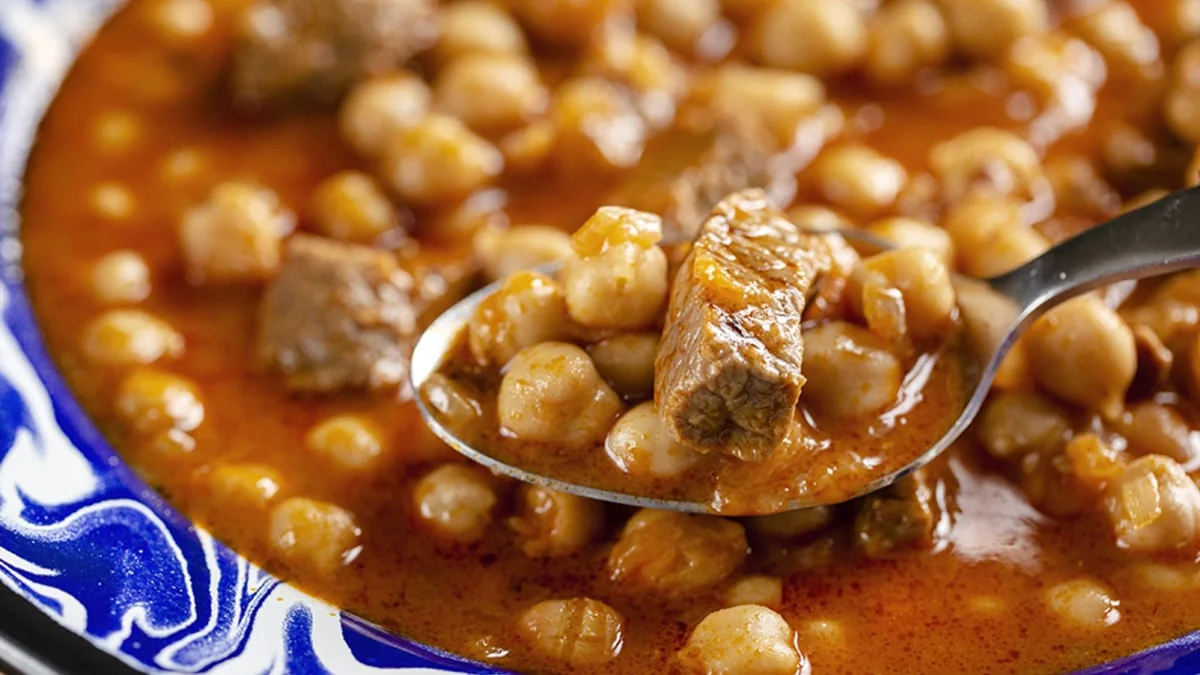
A complete protein contains all nine essential amino acids in useful amounts; meat, fish, eggs, dairy and soy are the usual examples. Most other plant proteins are lower in one or more of them, so they are called incomplete. A varied mix of plant proteins across the day covers your needs, without combining them at each meal.
Key takeaways
- Your body cannot make nine amino acids, so they must come from food.
- Animal foods and soy are generally complete proteins; most grains, legumes, nuts and seeds are low in at least one essential amino acid.
- Grains and legumes complement each other, and the combination does not need to be in the same meal.
- Total protein and variety over the day matter more than labelling single foods.
- Most adults need at least 0.8 g of protein per kg of body weight a day; active people often aim for 1.4 to 2.0 g/kg.
What are essential amino acids?
Proteins are built from amino acids, and nine of them are called essential because your body cannot make them. According to the US National Library of Medicine (MedlinePlus), these are histidine, isoleucine, leucine, lysine, methionine, phenylalanine, threonine, tryptophan and valine. The others can be produced in the body from different building blocks, so they do not have to come directly from food.
When you eat protein, your body breaks it down into amino acids and uses them to build and repair muscle, skin, enzymes and many other tissues. If one essential amino acid runs short, the body cannot use the others as effectively for building new protein. That is the idea behind the terms complete and incomplete.
What is the difference between complete and incomplete proteins?
| Complete protein | Incomplete protein | |
|---|---|---|
| Definition | Contains all nine essential amino acids in useful proportions | Low in one or more essential amino acids |
| Typical foods | Meat, poultry, fish, eggs, milk, yogurt, cheese, soy (tofu, tempeh, edamame) | Lentils, beans, chickpeas, wheat, rice, oats, nuts, seeds |
| Usually low in | None | Grains: lysine. Legumes: methionine |
| Practical tip | Useful as a protein anchor for meals | Mix different sources over the day |
Soy holds a special place among plants. The ISSN position stand describes soy as a complete protein, though of slightly lower quality than animal proteins, which makes tofu, tempeh and edamame especially practical for people who do not eat meat. It also notes that research on other plant proteins, such as pea, rice or hemp, is still limited.
"Incomplete" does not mean poor or useless. Lentils, chickpeas and beans are rich in protein and fibre, and grains supply a meaningful share of protein in many diets worldwide. The label simply describes the balance of amino acids in one food on its own.
Do you need to combine proteins at every meal?
No. This is a common myth from older nutrition advice. MedlinePlus notes that pairing proteins such as beans with rice at a single meal is no longer considered necessary; what matters is the overall adequacy of the diet across the day. Your body draws on amino acids from everything you eat, so lentil soup at lunch and wholegrain bread at dinner still work together.
Many traditional dishes combine grains and legumes anyway, which is convenient: rice and beans in Latin America, dal with rice or roti in India, hummus with pitta in the Middle East, and mercimek çorbası (lentil soup) with bread in Turkey. The one thing to avoid is relying on a single plant food for almost all your protein; a varied diet covers the gaps.
How much protein do real meals provide?
Here are some catalog dishes with Sporty's per-serving estimates. Real values depend on the recipe and portion.
| Dish | Main protein source | Calories | Protein |
|---|---|---|---|
| Chicken shish kebab | Chicken (complete) | 380 kcal | 46 g |
| Grilled fish and vegetables | Fish (complete) | 450 kcal | 48 g |
| Tofu and vegetable sauté | Soy (complete) | 420 kcal | 32 g |
| Lentil soup and bulgur salad | Lentils + wheat (complementary) | 510 kcal | 24 g |
| Protein-packed vegan salad | Mixed plant sources | 420 kcal | 20 g |
| Chickpea stew | Chickpeas (legume) | 360 kcal | 16 g |
| Red lentil soup | Lentils (legume) | 250 kcal | 13 g |
Two patterns stand out. Animal proteins and soy deliver more protein per calorie, which helps when you are eating less to lose weight. Legume dishes give less protein per calorie but come with fibre, and pairing them with a grain or a yogurt side raises both the amount and the quality. Tofu and vegetable sauté is a good example of a plant meal that reaches over 30 g.
0.8 g/kg is the adult RDA; 1.4–2.0 g/kg is the ISSN range for people who exercise. Kidney disease needs medical advice.
Why does protein quality matter more for some people?
For most adults eating a varied diet, protein quality takes care of itself. It matters more when:
- You eat little or no animal food. Vegans and many vegetarians benefit from a mix of legumes, soy, grains, nuts and seeds every day. Our guide to plant protein without meat has daily examples.
- You train for muscle. The ISSN position stand on protein and exercise suggests 20 to 40 g of protein per serving, with about 700 to 3,000 mg of leucine, and advises focusing on whole foods that contain all essential amino acids. It notes that complete proteins are possible on a vegetarian diet with careful planning.
- You are losing weight. A lower calorie intake leaves less room, so protein-dense foods help you reach your target without exceeding your calories.
- You are older. Needs can be higher with age, and appetite is often smaller.
How much protein do you need per day?
The general recommendation for healthy adults is 0.8 g per kg of body weight per day, set in the US Dietary Reference Intakes. For a 70 kg adult that is about 56 g. People who exercise regularly often aim for 1.4 to 2.0 g/kg, the range in the ISSN position stand. For the same 70 kg person, that is roughly 98 to 140 g a day, which is achievable from plants alone but takes more planning. The full method is in our article on how much protein per day, and the calculator above gives a personal estimate.
Plant-heavy eaters sometimes aim toward the upper end of their range, since plant proteins are, on average, a little less digestible and less balanced than animal ones. Spreading protein over three or four meals makes the target easier to reach.
How do you build complete protein from plants?
- Include a legume most days: lentils, chickpeas, beans, peas. The guide to lentils, chickpeas and beans compares them.
- Eat grains too: bulgur, oats, wholegrain bread, rice.
- Use soy often: tofu, tempeh, edamame or soy milk.
- Add nuts and seeds in small portions, since they are calorie-dense.
- If you eat them, use dairy or eggs to raise the protein of plant meals.
Sporty shows protein for every logged meal next to calories, so you can see whether a plant-based day reaches your target without doing the arithmetic yourself.
This article is general information, not medical advice. If you have kidney disease, are pregnant, under 18 or follow a restricted diet for medical reasons, talk to a doctor or registered dietitian about your protein needs.
Frequently asked questions
Which foods are complete proteins?
Meat, poultry, fish, eggs, dairy and soy foods such as tofu, tempeh and edamame contain all nine essential amino acids in useful amounts.
Do I need to eat rice and beans together?
No. Eating a variety of plant proteins across the day is enough; they do not need to be combined at the same meal.
Are plant proteins worse than animal proteins?
They are usually a little less balanced and less digestible, but a varied plant diet with enough total protein meets the needs of healthy adults.
How many essential amino acids are there?
Nine: histidine, isoleucine, leucine, lysine, methionine, phenylalanine, threonine, tryptophan and valine.
Was this article helpful?
No ratings yet — be the first.
Tap a star to rate it — your rating helps us improve and helps other readers.
Sources
This article is general information, not medical advice. If you have a health condition, are pregnant or under 18, talk to a doctor or registered dietitian before changing your diet.