

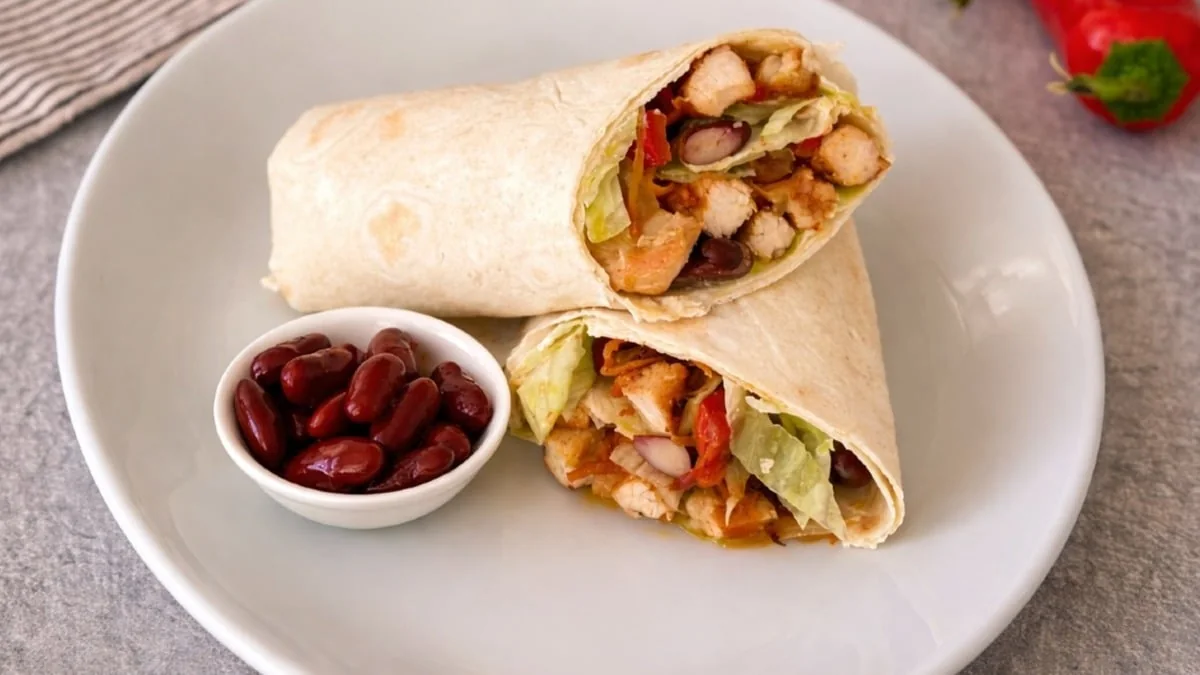
A planned richer meal or a refeed day at maintenance can fit into weight loss and may make a diet easier to stick to. An untracked cheat day is different: eating 1,500 kcal above maintenance can wipe out more than half of a 3,500 kcal weekly deficit. Plan it, log it and return to normal the next day.
Key takeaways
- A refeed or diet break has a calorie target around maintenance; a cheat day usually does not.
- Swapping chicken shish for İskender at one meal keeps about 90% of a 3,500 kcal weekly deficit.
- An untracked day 1,500 kcal above maintenance can erase more than half of that weekly deficit.
- Trials on planned breaks at maintenance suggest they can reduce hunger, but they do not support eating without limits.
- Return to normal meals the next day; a heavier scale reading after a big meal is mostly water and food weight.
What is the difference between a cheat meal, a refeed and a diet break?
These three ideas are often mixed up, but they are not the same thing:
- Cheat meal or cheat day: a meal or day where you eat whatever you like, usually without tracking. The amount is open-ended.
- Refeed: a planned day or two where you raise calories to around your maintenance level, mostly by adding carbohydrates, and then return to your deficit.
- Diet break: a planned period, often one or two weeks, of eating at maintenance before going back to a deficit.
The key difference is control. A refeed or diet break has a calorie target. A cheat day does not, and that is where the risk lies. We use "planned meal" rather than "cheat" in the rest of this guide, because no food is cheating; it is just part of your week.
How much can one meal or day change your weekly deficit?
Fat loss depends on your average calorie balance over time, so it helps to think in weeks rather than days. A worked example shows why the size of the meal matters more than the label.
Say your maintenance is 2,300 kcal and you eat 1,800 kcal a day. That is a 500 kcal daily deficit, or 3,500 kcal over a week. Using the rough rule that about 7,700 kcal equals 1 kg of body fat (an approximation, not an exact figure), that is a little under 0.5 kg of fat a week. Our guide to the calorie deficit explains the basics.
| Scenario | That day | Weekly deficit left | Share kept |
|---|---|---|---|
| No change, 7 days at 1,800 kcal | 1,800 kcal | 3,500 kcal | 100% |
| Planned meal: İskender (720 kcal) instead of chicken shish (380 kcal) | 2,140 kcal | 3,160 kcal | 90% |
| Refeed: one day at maintenance | 2,300 kcal | 3,000 kcal | 86% |
| Untracked cheat day at 3,800 kcal | 3,800 kcal | 1,500 kcal | 43% |
A planned richer meal costs very little. A day at maintenance slows the week down a bit. An open-ended day that runs 1,500 kcal above maintenance wipes out more than half of the week's deficit. The 3,800 kcal day is an illustration, not a typical figure, but it is easy to reach with a big breakfast, a takeaway, dessert and drinks. Our guide to weekend overeating shows how this plays out across a Saturday and Sunday.
How many calories are in typical "cheat" meals?
Many favourite treat meals land between 550 and 750 kcal per serving, which is often less than people expect. Figures are Sporty's per-serving estimates; real values depend on recipe and portion, and sides, drinks and desserts come on top.
| Dish | kcal | Protein | Carbs | Fat |
|---|---|---|---|---|
| İskender | 720 | 40 g | 48 g | 40 g |
| Burrito | 650 | 34 g | 74 g | 22 g |
| Hamburger | 640 | 34 g | 46 g | 34 g |
| Lasagna | 620 | 32 g | 52 g | 30 g |
| Mac and cheese | 620 | 24 g | 64 g | 29 g |
| Margherita pizza | 560 | 23 g | 72 g | 20 g |
The meal itself is rarely the problem. What turns a planned meal into a 3,000-plus kcal day is everything around it: starters, bread, sugary drinks, alcohol and a second dessert. A serving of İskender with ayran and a salad fits many daily budgets with some planning.
What does the research say about refeeds and diet breaks?
There is little direct research on unstructured cheat meals, but there are trials on planned periods of eating at maintenance:
- The MATADOR trial (2017, International Journal of Obesity) randomised 51 men with obesity to 16 weeks of continuous dieting at about 67% of maintenance, or to the same 16 weeks of dieting split into 2-week blocks with 2-week breaks at maintenance in between. Among the 36 men who completed the protocol, the intermittent group lost more weight (14.1 kg vs 9.1 kg) and more fat. It was a small, single-site study in men only, and the intermittent plan took 30 weeks in total.
- The ICECAP trial (2021) tested 1-week diet breaks at maintenance in resistance-trained adults. According to a secondary analysis in PLOS ONE, 12 weeks of intermittent dieting did not lead to more fat loss than continuous dieting, but it did lower hunger and the desire to eat. In the 26 athletes analysed, a one-week break did not change fat mass and hunger scores fell.
Put together, these studies suggest that planned periods at maintenance may make a diet easier to stick to, and in some settings may work as well as or better than continuous dieting. They do not show that eating without limits helps fat loss. Both studies used controlled calorie targets for the breaks, which is the opposite of a free-for-all cheat day.
How to plan a refeed or a richer meal
- Know your maintenance. A refeed means eating around maintenance, not above it. The NIH Body Weight Planner or a Mifflin-St Jeor estimate gives a starting point; see our guide to TDEE and maintenance calories.
- Add mostly carbohydrates. Going from 1,800 to 2,300 kcal means about 500 extra kcal; from carbs alone that is roughly 125 g, since carbs give 4 kcal per gram. Rice, bulgur, bread, potatoes and fruit are easy ways to get there.
- Keep protein steady. Your usual protein target still applies on higher-calorie days.
- Plan the meal, not the whole day. If you want a richer dinner out, eat normal meals earlier in the day rather than skipping them, so you do not arrive starving.
- Log it. Recording a planned meal keeps it inside your plan. Sporty can log a restaurant plate from a photo, so you do not need to weigh anything.
- Return to normal the next day. No fasting, no punishment workouts. One meal does not need to be "made up for".
Why does the scale jump after a big meal?
After a large, salty or carb-heavy meal, the scale often shows a higher number the next morning. Much of that is water and the weight of food still in your digestive system, not new body fat. It usually settles within a few days of normal eating. Our guide on water weight vs fat loss explains how to read these swings.
Who should be careful with cheat days?
If planned meals often turn into eating that feels out of control, or if you swing between strict restriction and bingeing, structured "cheat days" may make that cycle worse. Talk to a doctor or registered dietitian, especially if you have, or have had, an eating disorder. The same applies if you are under 18, pregnant or managing a medical condition such as diabetes. And whatever your plan, do not go below about 1,200 kcal a day for women or 1,500 kcal for men on your diet days without medical supervision. The CDC notes that people who lose weight at a gradual, steady pace of about 0.5–1 kg (1–2 lb) a week are more likely to keep it off.
Frequently asked questions
Does a cheat meal boost your metabolism?
There is no good evidence that a single large meal speeds up fat loss. Trials on planned breaks at maintenance suggest they may ease hunger and help people stick to a diet, but they used controlled calorie targets, not unlimited eating.
How often should you have a refeed day?
There is no fixed rule. Some people use one planned day at maintenance a week or a one- to two-week diet break every few months; choose what helps you stay consistent and keep it inside your weekly calorie plan.
Will one cheat day ruin my progress?
No. One day cannot undo weeks of progress, though a very large day can cancel much of that week's deficit. Go back to your usual meals the next day without fasting or extra workouts.
Why do I weigh more the day after a cheat meal?
Mostly water and the food still in your digestive system, especially after salty or carb-heavy meals. It usually settles within a few days of normal eating.
Sources
- Byrne et al. 2018, Intermittent energy restriction improves weight loss efficiency in obese men: the MATADOR study (RCT, Int J Obes)
- Peos et al. 2021, A 1-week diet break improves muscle endurance during an intermittent dieting regime in adult athletes (ICECAP secondary analysis, PLOS ONE)
- CDC, Losing weight
- NIH NIDDK, Body Weight Planner
This article is general information, not medical advice. If you have a health condition, are pregnant or under 18, talk to a doctor or registered dietitian before changing your diet.