

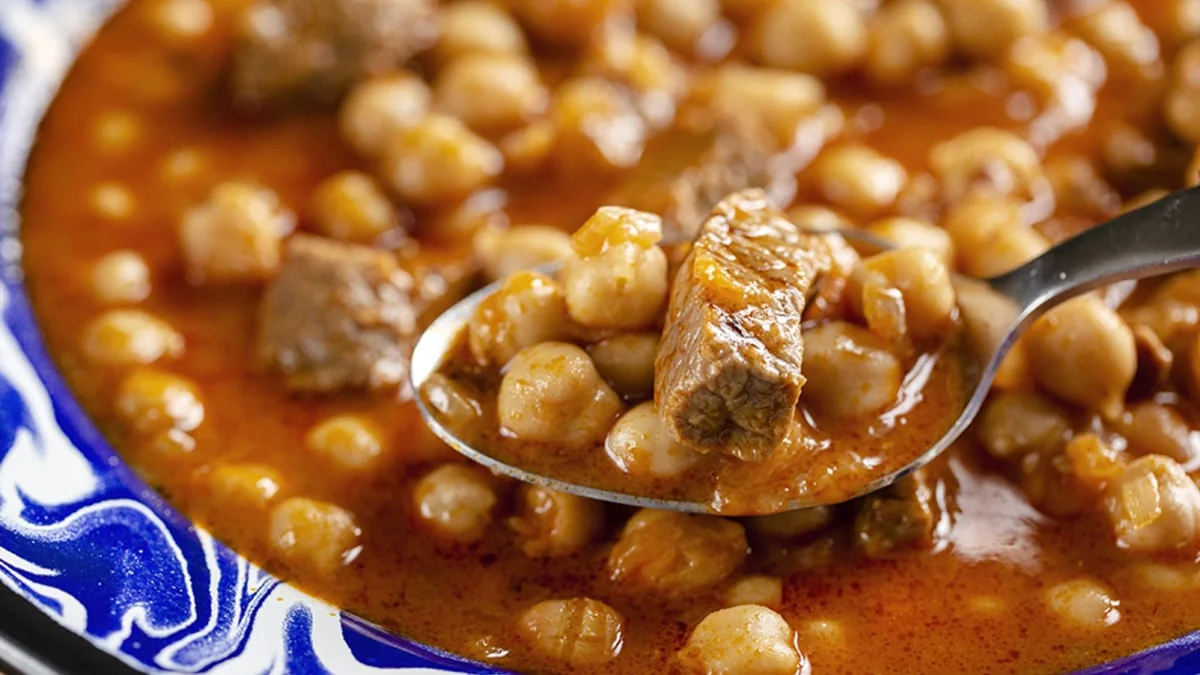
Most students need about 0.8 g of protein per kg a day, or 1.4–2.0 g/kg if they train regularly. Eggs, lentils, chickpeas, beans, canned tuna, yogurt and chicken thighs are the cheapest ways to get there. Batch-cooked chili, bean stew, lentil soup and tuna pasta each give about 13–34 g of protein per serving.
Key takeaways
- Basic protein needs are 0.8 g/kg a day, about 48–60 g for most students.
- If you train, aim for 1.4–2.0 g/kg, spread across meals at about 20–40 g each.
- Eggs, pulses, canned fish, yogurt and chicken thighs are good-value protein almost everywhere.
- A simple day of oats, chicken curry with bulgur, lentil soup and an omelette gives about 100 g of protein.
- Batch-cooking twice a week saves both time and money.
How much protein does a student need?
The recommended dietary allowance for adults is 0.8 g of protein per kg of body weight a day. That covers basic needs for most healthy people, and it is less than many students think: about 48 g a day for someone who weighs 60 kg (132 lb) and 60 g for someone who weighs 75 kg (165 lb).
If you train regularly, needs are higher. The International Society of Sports Nutrition (ISSN) suggests 1.4–2.0 g per kg a day for most exercising people, ideally spread across meals at about 20–40 g each. Here is what that means in practice:
| Body weight | Basic needs (0.8 g/kg) | Regular training (1.4–2.0 g/kg) |
|---|---|---|
| 55 kg | about 44 g | about 77–110 g |
| 65 kg | about 52 g | about 91–130 g |
| 75 kg | about 60 g | about 105–150 g |
| 85 kg | about 68 g | about 119–170 g |
Use the calculator below for your own estimate. For a fuller explanation, see how much protein you need per day.
0.8 g/kg is the adult RDA; 1.4–2.0 g/kg is the ISSN range for people who exercise. Kidney disease needs medical advice.
Which protein foods are cheapest?
Prices vary by country and season, but the same group of foods tends to be good value almost everywhere. Our guide to budget-friendly high-protein foods compares them in more detail.
- Eggs: quick, versatile and useful at any meal.
- Dried or canned lentils, chickpeas and beans: protein plus fibre, and they stretch meat dishes further.
- Canned tuna, sardines or mackerel: no cooking needed and long shelf life.
- Plain yogurt and milk: buying large tubs is usually cheaper than single pots.
- Chicken thighs or whole chickens: usually cheaper per kg than breast fillets.
- Tofu: often good value in Asian supermarkets.
- Oats and peanut butter: not protein-dense on their own, but cheap ways to add a little more.
Store-brand and frozen versions are usually just as nutritious as branded and fresh ones.
Which cheap meals give the most protein?
The table below uses catalog dishes built mainly on low-cost ingredients. The numbers are Sporty's per-serving estimates; real values depend on recipe and portion. The last column shows protein per 100 kcal, a quick way to compare how protein-dense each meal is.
| Meal | kcal | Protein | Protein per 100 kcal |
|---|---|---|---|
| Tuna salad and yogurt | 480 | 52 g | 10.8 g |
| Chicken curry with bulgur | 520 | 44 g | 8.5 g |
| Chili con carne | 480 | 34 g | 7.1 g |
| Spinach omelette | 300 | 21 g | 7.0 g |
| Chicken and rice | 520 | 34 g | 6.5 g |
| White bean stew with beef | 450 | 28 g | 6.2 g |
| Tuna pasta | 540 | 32 g | 5.9 g |
| Oats, yogurt and fruit | 390 | 22 g | 5.6 g |
| Red lentil soup | 250 | 13 g | 5.2 g |
| Tofu and broccoli rice | 460 | 22 g | 4.8 g |
| Chickpea stew | 360 | 16 g | 4.4 g |
Plant-based dishes such as lentil soup and chickpea stew are lower in protein per calorie, but they are usually the cheapest of all and bring fibre the others lack. Adding a boiled egg, a spoon of yogurt or a slice of cheese, or serving them alongside bread and a salad, makes them a complete meal.
What does a cheap high-protein day look like?
Here is one example, again using the same per-serving estimates:
| Meal | Dish | kcal | Protein |
|---|---|---|---|
| Breakfast | Oats, yogurt and fruit | 390 | 22 g |
| Lunch | Chicken curry with bulgur (batch-cooked) | 520 | 44 g |
| Snack | Red lentil soup | 250 | 13 g |
| Dinner | Vegetable omelette with bread and salad | 320 + sides | 22 g + sides |
| Total | about 1,480 + sides | about 101 g |
That is enough protein for most students, including many who train, and leaves plenty of room for bread, fruit, rice or pasta to reach your energy needs. If you are very active or growing, you will likely need more total calories than this; the calorie side matters as much as the protein side.
How can you save time and money?
- Batch-cook twice a week. A big pot of chili, lentil soup or bean stew covers four to six meals and costs far less than takeaway.
- Share cooking with flatmates. One person cooks, everyone chips in; you get variety without cooking every night.
- Keep a "protein backup" shelf. Canned tuna, canned beans, eggs and oats mean you can always make a meal in 10 minutes.
- Freeze in portions. Stews and soups freeze well, so nothing goes to waste before exams or weekends away.
- Plan the shop. A list built around two or three batch meals avoids impulse buys. Our weekly budget shopping list is a good template.
What are quick protein ideas for breakfast and snacks?
Lunch and dinner are usually covered by a batch-cooked dish. The gaps tend to be breakfast and snacks, when students reach for whatever is quickest. A few cheap options that take five minutes or less:
- Scrambled or boiled eggs on toast.
- Overnight oats made with milk or yogurt, topped with fruit and a spoon of peanut butter.
- Plain yogurt with frozen berries and a handful of oats.
- Canned tuna or mashed chickpeas on bread or crackers.
- Hummus with carrot and cucumber sticks.
- A glass of milk or soy milk with a banana before a lecture.
Each one adds protein without needing a proper kitchen, which makes them useful in halls with shared cooking space.
Is protein the only thing that matters?
No. The WHO recommends at least 400 g of fruit and vegetables a day and at least 25 g of fibre, and advises keeping free sugars and salt low. Frozen vegetables, canned tomatoes, cabbage, carrots, onions and seasonal fruit are usually cheap ways to cover that. A student diet built on eggs, pulses, grains, yogurt and vegetables can be both inexpensive and genuinely balanced.
If you are under 18, have a medical condition, or are trying to gain or lose weight quickly, a doctor or registered dietitian can help you set targets. Sporty can estimate the protein and calories in your meals from a photo, which is handy when you are cooking without recipes.
Frequently asked questions
What is the cheapest source of protein?
Dried lentils, beans and chickpeas, eggs and plain yogurt are usually among the cheapest, with canned fish and chicken thighs close behind. Prices vary by country, so compare per kg.
How can a student get 100 g of protein a day cheaply?
Combine a protein-rich breakfast, a batch-cooked chicken, bean or tuna dish at lunch, a lentil soup or yogurt snack and an egg-based dinner. The sample day here reaches about 101 g.
Is plant protein enough for students?
Yes, if you eat enough of it and vary your sources. Lentils, chickpeas, beans, tofu and soy milk work well, and adding grains like bulgur or rice improves the mix.
Do students need protein powder?
Usually not. Most can meet their needs with food. Powder can be convenient after training, but eggs, yogurt and pulses are often cheaper per gram of protein.
Was this article helpful?
No ratings yet — be the first.
Tap a star to rate it — your rating helps us improve and helps other readers.
Sources
This article is general information, not medical advice. If you have a health condition, are pregnant or under 18, talk to a doctor or registered dietitian before changing your diet.