

Canned tuna and sardines turn into a high-protein meal in minutes. In Sporty's estimates, a tuna salad with yogurt is about 480 kcal with 52 g of protein, and tuna pasta 540 kcal with 32 g. Sardines count as oily fish; canned tuna does not, so mixing both helps you meet weekly fish advice.
Key takeaways
- Tuna salad and yogurt is about 480 kcal with 52 g of protein; a Niçoise salad about 430 kcal with 30 g (Sporty estimates).
- The NHS advises at least 2 portions of fish a week, one of them oily; a portion is about 140 g.
- Sardines count as oily fish; fresh and canned tuna do not.
- Fish canned in water or drained of oil is lower in fat; brine adds salt.
- If you are pregnant or trying for a baby, the NHS advises no more than 4 medium cans of tuna a week.
Why keep canned tuna and sardines in the cupboard?
Canned fish is one of the cheapest and fastest ways to put a high-protein meal on the table. It needs no cooking, keeps for a long time and works in dishes from Japan to the Mediterranean. Tuna is lean and mild; sardines are richer, stronger in flavour and, because they are oily fish, a source of long-chain omega-3 fats.
The NHS advises adults to eat at least two portions of fish a week, including one portion of oily fish, with a portion being about 140 g. Here is an important detail: sardines, mackerel, salmon, herring and trout count as oily fish, but fresh and canned tuna do not. So if tuna is your go-to, adding sardines once a week is an easy way to cover the oily-fish part. Our guide to fish and seafood explains the reasons.
How do tuna meals compare in calories and protein?
Our meal catalog includes several dishes built on tuna. The numbers are Sporty's per-serving estimates; your recipe, the oil you add and the portion will change them.
| Dish | Tuna | Calories | Protein | Fat |
|---|---|---|---|---|
| Tuna salad and yogurt (greens, boiled egg, olive oil) | 160 g | 480 kcal | 52 g | 18 g |
| Avocado tuna salad | 150 g | 420 kcal | 32 g | 27 g |
| Niçoise salad (egg, potatoes, green beans, olives) | 120 g | 430 kcal | 30 g | 24 g |
| Tuna pasta with tomato, capers and olives | 120 g | 540 kcal | 32 g | 14 g |
| Onigiri rice balls (tuna in water) | 40 g | 280 kcal | 10 g | 3 g |
The tuna salad with yogurt stands out with 52 g of protein for 480 kcal, because it combines a large portion of fish, an egg and yogurt. The avocado version has less protein and more fat, since half an avocado and olive oil add energy without adding much protein. Tuna pasta is the most filling in volume, with 70 g of carbohydrate from the pasta, and onigiri make a light snack or a lunch side rather than a full meal.
What are 8 quick meal ideas with canned fish?
- Tuna and yogurt salad. Mix tuna with greens, a boiled egg, lemon and a spoon of olive oil, with yogurt on the side. Details on the tuna salad and yogurt page.
- Niçoise salad. The French classic with tuna, egg, boiled potatoes, green beans, tomato and olives. A complete meal in one bowl; see Niçoise salad.
- Tuna pasta. Warm tuna through a tomato sauce with capers, olives and parsley. Ready in the time the pasta boils.
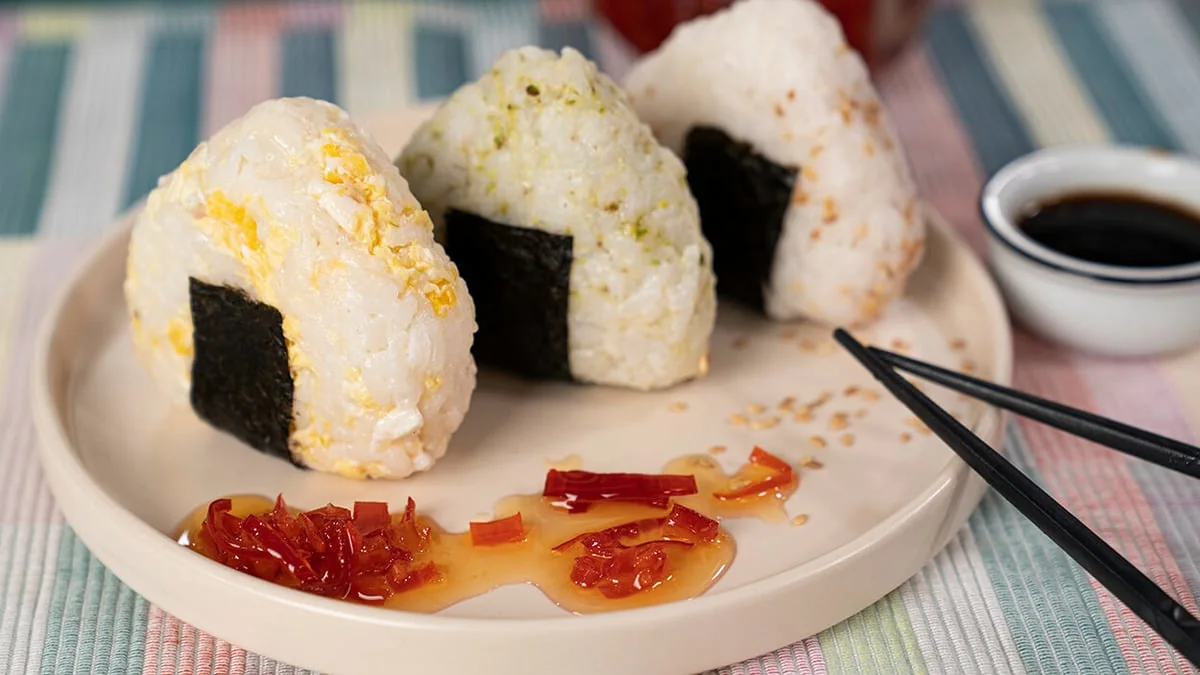
- Onigiri. Japanese rice balls filled with a little tuna and wrapped in nori. Good for lunchboxes.
- Sardines on toast. Mash sardines with lemon and black pepper on wholegrain toast with sliced tomato. A British and Portuguese favourite.
- Sardine pasta. In Sicily, pasta con le sarde pairs sardines with fennel, onion and breadcrumbs. A simplified version with tomato, garlic and chilli works well with canned fish.
- Sardines with bean salad. Serve sardines next to a white bean salad with onion, parsley and lemon, like Turkish piyaz. The beans add fibre and plant protein.
- Tuna wrap or stuffed pepper. Mix tuna with yogurt instead of mayonnaise, add sweetcorn and herbs, and fill a wholegrain wrap or a halved pepper.
Oil, water or brine: which can should you buy?
The liquid in the can makes a real difference:
- In water or spring water: the leanest option for tuna. Nothing to drain except water.
- In oil: richer and softer, but the oil adds fat, and fat has 9 kcal per gram. A tablespoon of oil is well over 100 kcal. Draining well removes much of it; if you keep the oil for a dressing, count it.
- In brine: similar to water in calories but saltier. The NHS considers a food high in salt above 1.5 g per 100 g, and the WHO advises adults to keep salt below 5 g a day. Rinsing briefly can help.
- In tomato sauce: common for sardines and mackerel. Check the label for added sugar and salt.
Sardines are usually canned whole or in large pieces, with small soft bones you can eat; according to the NHS, these bones provide calcium and phosphorus for healthy bones. The same is true of canned pilchards and tinned salmon, but not fresh salmon. Because sardines are oily fish, they contain more fat than tuna, much of it the unsaturated fats that are good for the heart. Our guide to omega-3 fats compares sources.
How much canned fish is safe to eat?
For most adults, canned fish fits easily into a varied diet. The NHS gives specific limits for some groups:
- Oily fish such as sardines: girls and women who are planning a pregnancy, pregnant or breastfeeding should have no more than 2 portions a week. Boys and men can have up to 4 portions a week.
- Tuna in pregnancy: if you are pregnant or trying for a baby, have no more than 4 medium cans or 2 cooked tuna steaks a week, because tuna can contain more mercury than other fish.
The NHS sets no tuna limit while breastfeeding. Once a can is open, move leftovers to a covered container in the fridge and use them soon.
Advice differs slightly between countries, so follow your national guidance or ask your midwife, doctor or dietitian if you are pregnant or feeding a young child.
How can canned fish help with weight loss?
Protein helps you feel full and supports muscle while you eat less, and canned tuna delivers a lot of it for few calories. It also removes the main barrier to a healthy lunch: time. A can, a bag of salad, a tomato and a spoon of olive oil make a meal in five minutes. Because both fish are usually inexpensive, they are staples of budget-friendly high-protein shopping.
When you log canned fish in Sporty, a barcode scan pulls in the label values; just check whether the entry is for the drained weight or the whole can, and add any oil or mayonnaise separately.
This article is general information, not medical advice. If you are pregnant, have kidney disease or need to limit salt, talk to a doctor or registered dietitian about what suits you.
Frequently asked questions
Is canned tuna good for weight loss?
Canned tuna is lean and high in protein, which helps you stay full on fewer calories. In Sporty's estimates, a tuna salad with yogurt is about 480 kcal with 52 g of protein. Choose tuna in water or drain the oil.
Does canned tuna count as oily fish?
No. The NHS says fresh and canned tuna do not count as oily fish. Sardines, mackerel, salmon, herring and trout do.
How many cans of tuna can I eat a week?
Most adults can include tuna as part of a varied diet. If you are pregnant or trying for a baby, the NHS advises no more than 4 medium cans or 2 cooked tuna steaks a week.
Is tuna in oil or water better?
Tuna in water is lower in fat and calories. Tuna in oil is richer; draining it well removes much of the oil. Brine adds salt, so check the label if you watch your salt intake.
Was this article helpful?
No ratings yet — be the first.
Tap a star to rate it — your rating helps us improve and helps other readers.
Sources
This article is general information, not medical advice. If you have a health condition, are pregnant or under 18, talk to a doctor or registered dietitian before changing your diet.