

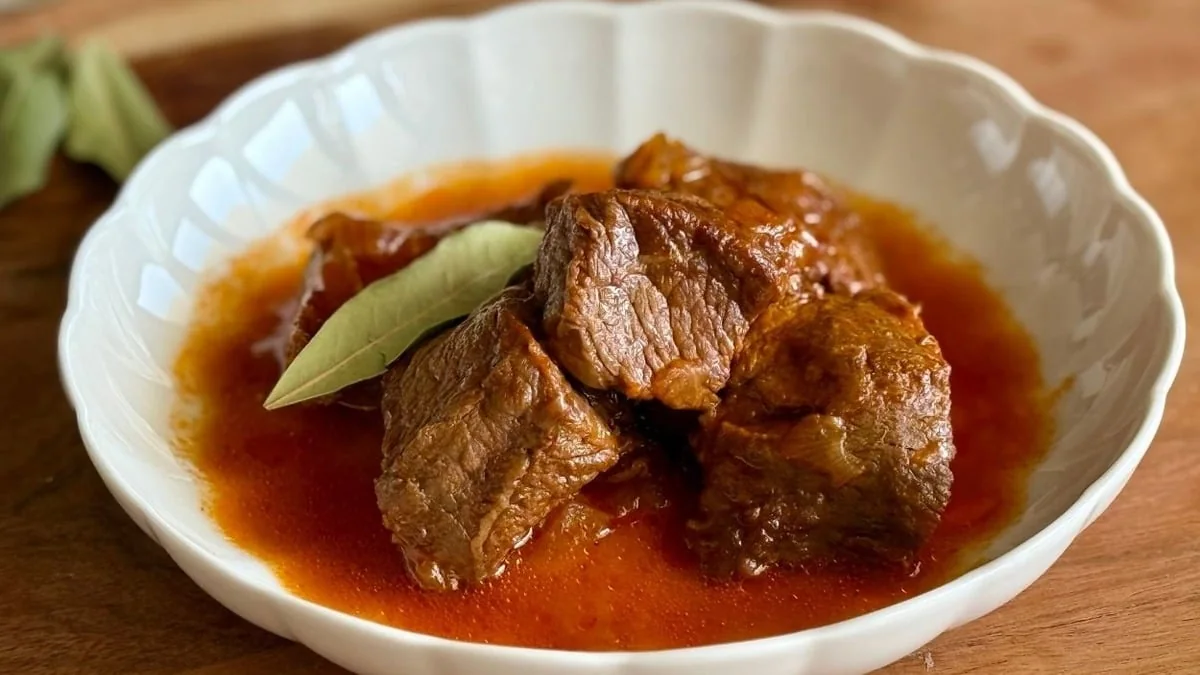
Cook two or three freezer-friendly dishes such as chili, goulash, lentil soup or bean stew, divide each pot into equal portions and freeze what you will not eat within a few days. Chill food within 2 hours, freeze it in shallow containers, thaw it in the fridge and reheat it until piping hot.
Key takeaways
- Stews, chilis, soups, curries and pasta sauces freeze well; crisp salads and fried foods do not.
- Divide each pot into equal portions so every serving has the same, known calories.
- Refrigerate cooked food within 2 hours (1 hour in heat above 32 °C / 90 °F) and use shallow containers so it cools fast.
- Thaw in the fridge, cold water or microwave, never on the counter, and reheat to 74 °C (165 °F).
- A 2-hour cooking session can cover most weekday lunches or dinners.
Why batch cook for weight loss?
Batch cooking turns your best intentions into food that is already in the freezer on the evenings you are too tired to cook. Most unplanned takeaways happen when there is nothing ready at home. A few labelled portions of chili or lentil soup remove that problem, and because each portion comes from the same pot, you know its calories without guessing every time.
It also saves money and time: one big pot uses less energy and washing up than five small ones, and buying ingredients in larger amounts is often cheaper.
Which dishes freeze well?
Dishes with plenty of sauce or liquid freeze and reheat best. Here are good candidates with Sporty's per-serving estimates (real values depend on recipe and portion):
| Dish | Calories | Protein | Carbs | Fat |
|---|---|---|---|---|
| Red lentil soup | 250 kcal | 13 g | 38 g | 6 g |
| Minestrone | 260 kcal | 10 g | 42 g | 6 g |
| Chickpea stew | 360 kcal | 16 g | 52 g | 10 g |
| Goulash | 450 kcal | 34 g | 32 g | 20 g |
| White bean stew with beef | 450 kcal | 28 g | 50 g | 15 g |
| Chili con carne | 480 kcal | 34 g | 38 g | 20 g |
| Chicken curry with a grain | 520 kcal | 44 g | 48 g | 16 g |
| Lasagna | 620 kcal | 32 g | 52 g | 30 g |
Goulash and chili con carne stand out for protein, at 34 g for 450–480 kcal. Chickpea stew and lentil soup are lighter, plant-based options that also bring fibre; pair them with yogurt or a protein side if you want a more filling meal.
What does not freeze well?
- Leafy salads, cucumber and raw tomatoes, which turn watery.
- Fried or crumbed foods, which lose their crunch.
- Cream- or yogurt-based sauces, which can separate; add yogurt after reheating instead.
- Cooked pasta on its own, which goes soft; freeze the sauce and cook pasta fresh.
How do you portion a batch so the calories are known?
Decide the number of portions before you serve, then divide the whole pot evenly. If a pot of chili makes six portions of about 480 kcal each, the pot holds about 2,880 kcal in total. Scoop it into six identical containers rather than serving by eye. A kitchen scale helps: weigh the cooked pot, divide by six, and fill each box to that weight.
To log it, describe one portion by text, for example "one portion of beef chili with kidney beans, a sixth of a pot made with 500 g lean beef mince", or enter the values manually. After the first time, logging the same portion again takes seconds.
You can also choose the portion size. Split the same pot into eight boxes instead of six and each lunch is about 360 kcal; split it into four for bigger dinners on training days. What matters is knowing the number and writing it on the label.
How do you cool, freeze and reheat safely?
Food safety matters more with batch cooking because large amounts of food sit around longer. The CDC's basic rules are:
- Chill quickly. Refrigerate cooked food within 2 hours, or within 1 hour if it has been somewhere hotter than 32 °C (90 °F).
- Use shallow containers. Divide hot food into several small, shallow containers so it cools faster.
- Keep the right temperatures. Fridge at 4 °C (40 °F) or below, freezer at −18 °C (0 °F) or below. An appliance thermometer shows whether yours is cold enough.
- Thaw safely. In the fridge, in cold water or in the microwave, never on the counter.
- Reheat thoroughly. Leftovers and casseroles should reach 74 °C (165 °F). Let microwaved food stand for a few minutes so cold spots finish heating.
Label each container with the dish, the date and the number of portions, and use the oldest first.
What does a simple batch-cooking plan look like?
| Step | What to do | Time |
|---|---|---|
| 1 | Choose three dishes: one protein-rich stew, one soup, one plant-based dish | 10 min |
| 2 | Chop all onions, garlic and vegetables at once | 25 min |
| 3 | Cook the three pots side by side | 60 min |
| 4 | Cool, portion, label and freeze | 25 min |
For example: goulash (six portions), lentil soup (six portions) and chickpea stew (four portions) give you sixteen meals from one session. Keep two or three portions in the fridge for the next days and freeze the rest. Add fresh sides on the day, such as a salad, plain yogurt or a measured portion of rice or bread. Our weekly meal-prep plan and one-pot dinners under 600 calories have more ideas.
How do you stop batch meals from getting boring?
Eating the same stew five days in a row is the main reason people give up on batch cooking. Change the side, not the base. The same three pots can become quite different meals (Sporty's per-serving estimates):
| Base from the freezer | Fresh side | Total | Protein |
|---|---|---|---|
| Red lentil soup | Shepherd's salad | 410 kcal | 16 g |
| Chickpea stew | Cacık (yogurt and cucumber) | 480 kcal | 23 g |
| Goulash | Shepherd's salad | 610 kcal | 37 g |
| Red lentil soup | Yogurt and fruit as dessert | 480 kcal | 29 g |
Other easy twists: serve chili in a baked potato one day and over rice the next, add a squeeze of lemon and fresh herbs to soups after reheating, or use leftover goulash as a pasta sauce. A different topping, such as chopped onion, chili flakes or a spoon of yogurt, makes a familiar dish feel new.
How do you keep batch-cooked food lighter?
- Measure the oil. Fat has 9 kcal per gram; one or two tablespoons for a whole pot go a long way.
- Bulk up with vegetables and pulses. They add volume and fibre for few calories. The WHO recommends at least 400 g of fruit and vegetables a day.
- Choose lean meat and skim off fat that rises to the top after cooling.
- Season with herbs and spices rather than lots of salt; the WHO advises adults to keep salt below 5 g a day, and stock cubes add up.
This article is general information. If you are pregnant, older or have a weakened immune system, follow the food-safety advice of your doctor or local health authority closely.
Frequently asked questions
Which meals freeze best?
Stews, chilis, soups, curries and pasta sauces freeze and reheat well. Salads, fried foods and cream-based sauces do not.
How quickly should I refrigerate cooked food?
Within 2 hours of cooking, or within 1 hour if it has been somewhere hotter than 32 °C (90 °F). Shallow containers help it cool fast.
How should I thaw frozen meals?
In the fridge, in cold water or in the microwave, never on the counter. Then reheat until it reaches 74 °C (165 °F).
How do I know the calories of a batch-cooked portion?
Divide the pot into equal portions. Each portion then has the same calories, so you only need to work them out once.
Was this article helpful?
No ratings yet — be the first.
Tap a star to rate it — your rating helps us improve and helps other readers.
Sources
This article is general information, not medical advice. If you have a health condition, are pregnant or under 18, talk to a doctor or registered dietitian before changing your diet.