

A 2,000-calorie day can be three meals and one or two snacks of roughly 230–550 kcal each. For example: oats with yogurt and fruit, a chicken quinoa bowl, hummus with vegetables and baked salmon with sweet potato add up to about 1,940 kcal and 143 g of protein, leaving a small buffer.
Key takeaways
- 2,000 kcal is roughly average maintenance for women and a modest deficit for many men; check your own number.
- Both sample days total about 1,940 kcal with 124–143 g of protein.
- The days fit the protein and fat AMDR; carbs sit just under 45% until you add a piece of fruit or bread.
- WHO benchmarks to check: 400 g fruit and veg, under 50 g free sugars, under 5 g salt.
- Swap meals freely as long as calories and protein stay close.
Who is a 2,000-calorie day right for?
2,000 kcal is the reference number printed on many food labels, but it is not a universal target. The NHS gives about 2,000 kcal a day as the average need for women and about 2,500 kcal for men, and stresses that individual needs vary with age, size and activity.
For example, using the Mifflin-St Jeor equation, a 30-year-old woman who is 168 cm (5 ft 6 in) and 65 kg (143 lb) has estimated maintenance needs of about 1,910 kcal if lightly active and about 2,150 kcal if moderately active. For her, 2,000 kcal is close to maintenance. For a moderately active man of average size, the same 2,000 kcal could be a modest deficit. That is why it is worth working out your own number first; the calculator below gives an estimate, and our guide to TDEE and maintenance calories explains what it means.
Mifflin-St Jeor equation × activity factor. Capped at the usual minimum (1,200 kcal women / 1,500 kcal men); going lower needs medical supervision. Estimates only.
What does a 2,000-calorie day look like?
Below are two sample days built from dishes in our catalog. The numbers are Sporty's per-serving estimates; real values depend on recipe and portion. Both days land at about 1,940 kcal, which leaves a small buffer for milk in coffee, a little extra oil or a piece of fruit.
Day 1: an international day
| Meal | Dish | kcal | Protein | Carbs | Fat |
|---|---|---|---|---|---|
| Breakfast | Oats, yogurt and fruit | 390 | 22 g | 58 g | 9 g |
| Morning snack | Yogurt and fruit | 230 | 16 g | 32 g | 5 g |
| Lunch | Chicken quinoa power bowl | 520 | 50 g | 45 g | 14 g |
| Afternoon snack | Hummus and raw vegetables | 260 | 11 g | 34 g | 10 g |
| Dinner | Baked salmon and sweet potato | 540 | 44 g | 42 g | 20 g |
| Total | 1,940 | 143 g | 211 g | 58 g |
Day 2: a Mediterranean and Turkish day
| Meal | Dish | kcal | Protein | Carbs | Fat |
|---|---|---|---|---|---|
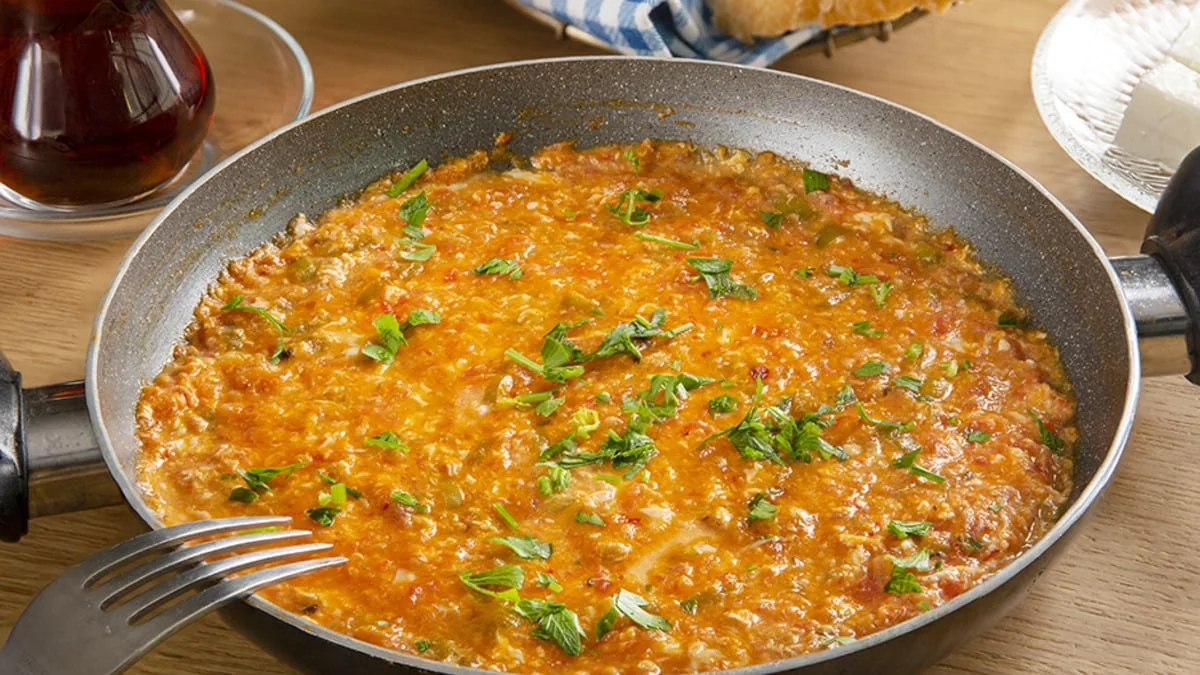
| Breakfast | Menemen and white cheese | 460 | 28 g | 24 g | 28 g |
| Lunch | Lentil soup and bulgur salad | 510 | 24 g | 82 g | 10 g |
| Snack | Yogurt and fruit | 230 | 16 g | 32 g | 5 g |
| Dinner | Grilled fish and vegetables | 450 | 48 g | 24 g | 18 g |
| Dinner side | Bulgur pilaf | 290 | 8 g | 50 g | 7 g |
| Total | 1,940 | 124 g | 212 g | 68 g |
How balanced are these days?
Using 4 kcal per gram for protein and carbohydrate and 9 kcal per gram for fat, here is how the two days split their energy, compared with the Acceptable Macronutrient Distribution Ranges (AMDR) from the US National Academies:
| Day 1 | Day 2 | AMDR for adults | |
|---|---|---|---|
| Protein | about 30% | about 26% | 10–35% |
| Carbohydrate | about 44% | about 44% | 45–65% |
| Fat | about 27% | about 32% | 20–35% |
Protein and fat sit comfortably inside the ranges. Carbohydrate is just under 45%, so if you use the remaining 60 kcal for a piece of fruit or a slice of whole-grain bread, both days move into the range. If you prefer more carbs and less protein, swap part of a protein portion for an extra serving of grains or fruit. Our guide to macros covers how these ranges work.
How does this compare with WHO healthy-diet advice?
The WHO healthy diet fact sheet gives several benchmarks that are easy to check against a 2,000-calorie day:
- Fruit and vegetables: at least 400 g a day. Both sample days include vegetables at two or three meals plus fruit with yogurt; make portions generous to reach the target.
- Free sugars: under 10% of energy, which is about 50 g on a 2,000-calorie diet. Plain yogurt with fruit, rather than sweetened yogurt, keeps this low.
- Fat: no more than 30% of energy, with saturated fat under 10%. Day 2 is slightly above 30% because of the cheese and olive oil; trimming either brings it under.
- Salt: under 5 g a day. Watch salty cheese, stock cubes and bread.
- Fibre: at least 25 g a day. Oats, quinoa, lentils, bulgur, hummus and vegetables all help.
Can you swap meals around?
Yes. A meal plan is a template, not a prescription. As long as each swap is close in calories and protein, the day stays on target. Some like-for-like options from the catalog:
| Instead of | Try | kcal | Protein |
|---|---|---|---|
| Oats, yogurt and fruit (390) | Protein pancakes | 380 | 30 g |
| Chicken quinoa power bowl (520) | Chicken curry with bulgur | 520 | 44 g |
| Baked salmon and sweet potato (540) | Tofu and vegetable sauté | 420 | 32 g |
| Grilled fish and vegetables (450) | Chicken shish kebab | 380 | 46 g |
| Hummus and raw vegetables (260) | Cottage cheese and walnut fruit bowl | 280 | 26 g |
If you cook ahead, both days work well as a weekly rotation. Our simple meal-prep plan shows how to batch the grains and proteins on a Sunday.
How do you make a meal plan stick?
A plan on paper only helps if it survives a normal week. A few habits make that much more likely:
- Repeat your breakfasts. Most people are happy eating the same two or three breakfasts, and it takes one decision off your plate every morning.
- Cook once, eat twice. Make enough salmon, chicken or lentils for dinner and the next day's lunch.
- Keep snacks planned and portioned. A yogurt or a box of hummus and vegetables in the fridge is easier to choose than a vending machine.
- Leave room for flexibility. One meal a week eaten out or with friends does not break the plan; adjust the other meals a little instead.
- Check in with hunger. If you are hungry all afternoon, move calories from dinner to lunch or add more vegetables and protein earlier in the day.
Do you need to hit exactly 2,000 kcal?
No. Daily intake naturally moves up and down, and what matters for weight over time is the weekly average. If you are trying to lose weight and your estimated maintenance is well above 2,000 kcal, a day like this creates a deficit; if your maintenance is lower, you would need smaller portions. Do not go below about 1,200 kcal a day for women or 1,500 kcal for men without medical supervision. If you are pregnant, breastfeeding, under 18 or managing a medical condition, ask a doctor or registered dietitian to tailor the plan. Sporty can track your actual intake against your target, which makes it easier to see whether a plan like this fits your week.
Frequently asked questions
Is 2,000 calories a day enough to lose weight?
It depends on your maintenance needs. For many men and very active women it is a deficit; for smaller or less active people it may be maintenance or above.
How much protein is in a 2,000-calorie meal plan?
It varies with food choices. The two sample days here provide about 124–143 g, which is 26–30% of energy and within the 10–35% range for adults.
How should 2,000 calories be split between meals?
A common split is three meals of 400–550 kcal and one or two snacks of 200–300 kcal, but any pattern that keeps you full and fits your routine works.
Can a vegetarian follow a 2,000-calorie plan?
Yes. Swap fish or chicken for tofu, lentils, chickpeas, eggs or yogurt-based dishes with similar calories, and keep an eye on protein at each meal.
Was this article helpful?
No ratings yet — be the first.
Tap a star to rate it — your rating helps us improve and helps other readers.
Sources
This article is general information, not medical advice. If you have a health condition, are pregnant or under 18, talk to a doctor or registered dietitian before changing your diet.