 Sporty
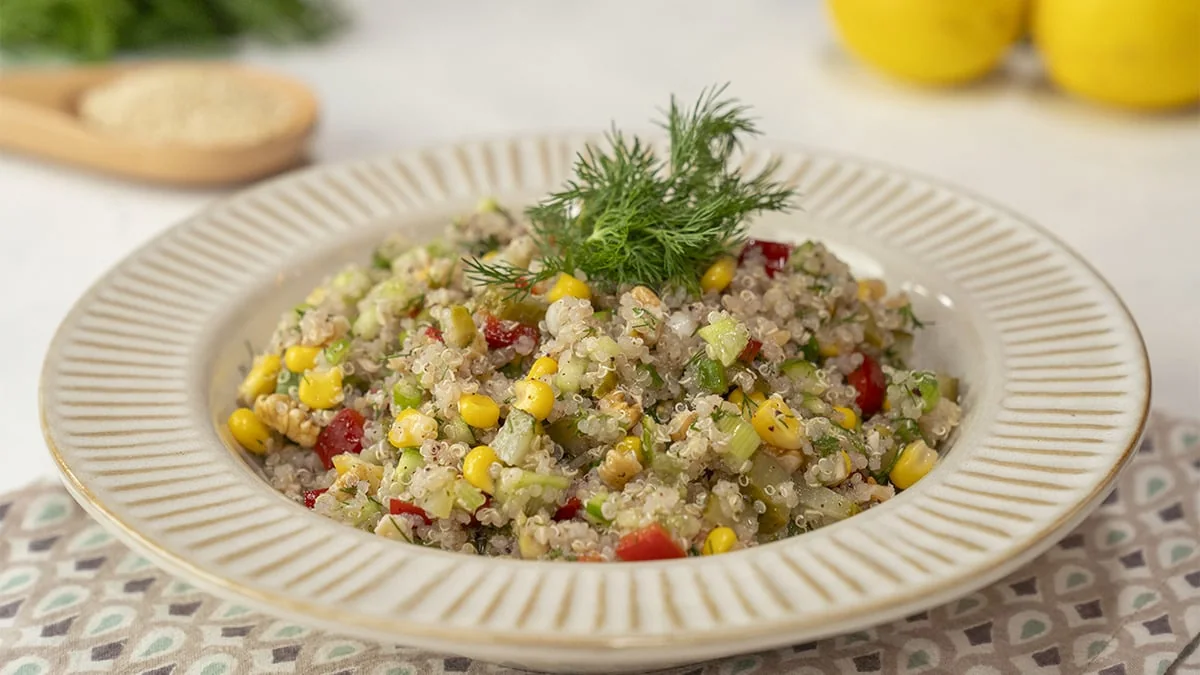
Macros, or macronutrients, are the three nutrients that supply most of your calories: protein and carbohydrates provide 4 kcal per gram and fat provides 9 kcal per gram. Recommended ranges for adults are 10–35% of calories from protein, 45–65% from carbohydrates and 20–35% from fat.
Key takeaways
- The three macros are protein (4 kcal/g), carbohydrates (4 kcal/g) and fat (9 kcal/g); alcohol adds 7 kcal/g.
- Healthy ranges (AMDR) are 10–35 % protein, 45–65 % carbs and 20–35 % fat.
- On 1,700 kcal, a 25 / 45 / 30 split means about 106 g protein, 191 g carbs and 57 g fat.
- Calories decide weight change; macros shape muscle retention, fullness and energy.
- Quality matters too: the WHO advises keeping free sugars and saturated fat under 10 % of energy.
What are macros?
"Macros" is short for macronutrients: the three nutrients your body needs in large amounts and that supply almost all of the calories in food. They are protein, carbohydrates and fat. Alcohol also provides calories, but it is not a nutrient you need.
Vitamins and minerals, by contrast, are micronutrients: essential, but needed in milligrams or micrograms and providing no calories. When people talk about "counting macros", they mean tracking how many grams of protein, carbs and fat they eat, rather than only the calorie total.
How many calories does each macro provide?
Every gram of a macronutrient carries a fixed, well-established amount of energy. This is the basis of every nutrition label and calorie database, including USDA FoodData Central.
| Macro | Calories per gram | Main roles | Recommended share of calories (AMDR) | Typical sources |
|---|---|---|---|---|
| Protein | 4 kcal | Builds and repairs muscle and tissue, helps you feel full | 10–35 % | Chicken, fish, eggs, yogurt, cheese, legumes |
| Carbohydrates | 4 kcal | Main fuel for the brain and for intense exercise; fibre for digestion | 45–65 % | Bread, rice, bulgur, pasta, fruit, vegetables, legumes |
| Fat | 9 kcal | Hormones, cell membranes, absorbing vitamins A, D, E and K | 20–35 % | Olive oil, butter, nuts, seeds, avocado, cheese, fatty meat |
| Alcohol | 7 kcal | Not essential; adds energy with no nutritional need | None | Beer, wine, spirits |
The Acceptable Macronutrient Distribution Ranges (AMDR) come from the US National Academies and are used in the Dietary Guidelines for Americans. They are deliberately wide, because many different eating patterns can be healthy.
The key detail is that fat has more than twice the calories per gram of protein or carbs. That is why a spoonful of oil or a handful of nuts can change a meal's calorie count so much, and why fat-heavy dishes add up fast.
How do you calculate your macros from your calories?
Macros start from a calorie target. Once you have one (see how many calories to eat to lose weight), the method is simple: pick a percentage for each macro, multiply by your calories, then divide by the calories per gram.
Take a 30-year-old woman who weighs 70 kg, is 165 cm tall, is moderately active and is aiming for 1,700 kcal a day to lose weight. A balanced split within the AMDR could be 25 % protein, 45 % carbs and 30 % fat:
- Protein: 1,700 × 0.25 = 425 kcal ÷ 4 = about 106 g
- Carbohydrates: 1,700 × 0.45 = 765 kcal ÷ 4 = about 191 g
- Fat: 1,700 × 0.30 = 510 kcal ÷ 9 = about 57 g
Check: 425 + 765 + 510 = 1,700 kcal. Her protein works out to about 1.5 g per kg, which fits the range the ISSN recommends for people who exercise. If she wanted more protein, she could move to 30 % protein (about 128 g) and 25 % fat (about 47 g) while keeping carbs at 45 %. All three numbers would still sit inside the AMDR.
Many people find it easier to set protein in grams first, based on body weight (our guide on how much protein you need per day explains how), then share the remaining calories between carbs and fat according to preference.
What do macros look like in real meals?
Two dishes with similar calories can have very different macros. The table below uses Sporty's per-serving estimates (real values depend on recipe and portion) and shows roughly what share of each dish's calories comes from protein, carbs and fat.
| Dish | kcal | Protein | Carbs | Fat | Calories from P / C / F |
|---|---|---|---|---|---|
| Menemen with white cheese | 460 | 28 g | 24 g | 28 g | 24 / 21 / 55 % |
| Lahmacun | 430 | 20 g | 56 g | 14 g | 19 / 52 / 29 % |
| Red lentil soup | 250 | 13 g | 38 g | 6 g | 20 / 59 / 21 % |
| Chicken Caesar salad | 480 | 38 g | 18 g | 28 g | 32 / 15 / 53 % |
| Poke bowl | 540 | 34 g | 60 g | 18 g | 25 / 45 / 30 % |
| Chicken shish | 380 | 46 g | 8 g | 18 g | 49 / 8 / 43 % |
A few patterns stand out. Menemen and Caesar salad get more than half of their calories from fat, mostly from cheese, oil and dressing. Lahmacun and lentil soup are carb-led. Chicken shish is one of the most protein-dense options, and a poke bowl happens to land almost exactly on a balanced 25 / 45 / 30 split. None of these is "good" or "bad"; knowing the profile simply helps you balance the rest of the day.
Do macros matter more than calories?
For weight change, total calories are what matter most: a calorie deficit leads to weight loss whatever the macro split. Macros matter for what kind of weight you lose and how the diet feels. Enough protein helps preserve muscle and keeps you fuller. Enough carbohydrate supports training performance. Enough fat supports hormones and vitamin absorption, and makes meals satisfying.
So think of calories as the budget and macros as how you spend it. Our guide to the calorie deficit covers the budget side in detail.
Is there a best macro ratio?
No single ratio is best for everyone. Any split inside the AMDR can be part of a healthy diet, and the best one is the one you can follow. A few practical guidelines:
- Set protein first. It has the clearest evidence for body composition and fullness, especially when losing weight.
- Keep fat at 20 % or more. Going lower makes it hard to absorb fat-soluble vitamins and get essential fatty acids.
- Fill the rest with carbs that bring fibre: vegetables, fruit, legumes and whole grains such as bulgur.
Does the quality of each macro matter?
Yes. The WHO healthy diet fact sheet recommends keeping free sugars below 10 % of total energy, saturated fat below 10 % and trans fat below 1 %, and favouring unsaturated fats such as those in olive oil, nuts and fish. In practice, 57 g of fat from olive oil and nuts is not the same as 57 g from processed meats and pastries, even if the calories match. The same goes for carbohydrates from lentils and vegetables versus sugary drinks.
How do you track macros without doing maths all day?
You don't need a spreadsheet. Most people get good results by tracking for a few weeks, learning the profile of their regular meals, then checking in occasionally. Sporty calculates protein, carbs and fat automatically for every meal you log by photo, barcode, voice or text, and its "What should I eat?" suggestions take your remaining macros into account.
If you have a medical condition such as diabetes or kidney disease, or you are pregnant, ask a doctor or registered dietitian to help set your macro targets.
Frequently asked questions
What are the 3 macros?
Protein, carbohydrates and fat. Together they provide nearly all the calories in food.
What is a good macro split for weight loss?
There is no single best split. A practical approach is to set protein first (often 1.4–2.0 g per kg if you exercise), keep fat at least 20 % of calories and fill the rest with fibre-rich carbohydrates, all within the AMDR.
Do I need to count macros to lose weight?
No. A calorie deficit is what drives weight loss. Tracking macros, especially protein, can help you keep muscle and feel fuller, but it is optional.
Why does fat have more calories?
Fat stores more energy per gram: 9 kcal compared with 4 kcal for protein and carbohydrates. That is why small amounts of oil, butter or nuts add calories quickly.
Sources
This article is general information, not medical advice. If you have a health condition, are pregnant or under 18, talk to a doctor or registered dietitian before changing your diet.