

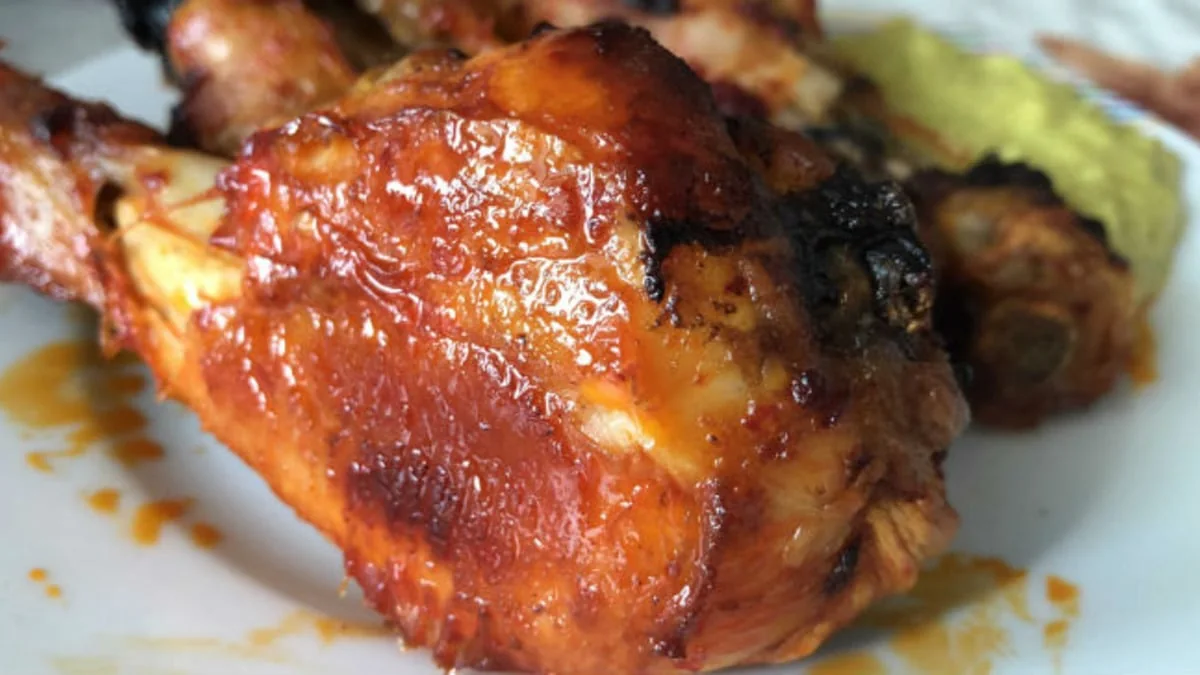
Most Thanksgiving calories come from the sides, gravy, butter, dessert and drinks rather than the turkey breast. In Sporty's estimates, swapping a full serving of mac and cheese for green beans next to roast poultry saves about 410 kcal with protein still above 50 g. Half a plate of vegetables and two favourite starchy sides keep it lighter.
Key takeaways
- The turkey breast is lean; butter, gravy, rich sides, pie and drinks carry most of the calories.
- Roast poultry with green beans is about 690 kcal, against about 1,100 kcal with mac and cheese (Sporty estimates).
- Fill half the plate with vegetables, a quarter with turkey, and pick your two favourite starchy sides.
- Fat has 9 kcal per gram and alcohol 7, so gravy, butter and drinks add up fastest.
- One holiday meal does not decide your progress; return to your usual meals the next day.
Where do the calories in a Thanksgiving dinner come from?
A Thanksgiving table is built around a roast bird, but most of the calories rarely come from the turkey breast itself. They come from what surrounds it: butter and cream in the mash, gravy, stuffing made with bread and butter, sweet potato casseroles with sugar or marshmallows, mac and cheese, bread rolls, pie with a pastry crust, and drinks. The same pattern shows up in festive meals around the world, from Christmas roasts to Eid and Diwali feasts.
Three simple facts explain most of the difference between a heavy and a lighter plate:
- Fat has 9 kcal per gram, against 4 kcal for protein and carbohydrate. One tablespoon of oil or melted butter on vegetables adds roughly 100 to 120 kcal.
- Alcohol has 7 kcal per gram, and drinks often come with extra snacking.
- Sides multiply. Five sides in modest spoonfuls can add more than the main course.
None of this means the meal is a problem. Thanksgiving is one day; your weekly and monthly pattern is what shapes your weight. The aim here is a plate you enjoy and feel comfortable after.
What does a lighter Thanksgiving-style plate look like in numbers?
Our catalog does not have every Thanksgiving dish, so the examples below use close equivalents: roast chicken with vegetables stands in for roast poultry, and familiar sides such as green beans, roasted vegetables with sweet potato and mac and cheese are listed as they are. These are Sporty's per-serving estimates; real values depend on the recipe and your portion.
| Dish | kcal | Protein | Carbs | Fat |
|---|---|---|---|---|
| Roast Chicken with Vegetables | 480 | 46 g | 18 g | 24 g |
| Green Beans in Olive Oil | 210 | 5 g | 24 g | 11 g |
| Roasted Vegetables | 240 | 6 g | 30 g | 12 g |
| Mac and Cheese | 620 | 24 g | 64 g | 29 g |
| Plate | What is on it | Calories | Protein |
|---|---|---|---|
| Rich plate | Roast poultry with vegetables + a full serving of mac and cheese | 1,100 kcal | 70 g |
| Balanced plate | Roast poultry with vegetables + green beans in olive oil | 690 kcal | 51 g |
| Balanced plate with a treat side | Roast poultry + green beans + half a serving of mac and cheese | 1,000 kcal | 63 g |
| Vegetable-forward plate | Roast poultry + green beans + half a serving of roasted vegetables | 810 kcal | 54 g |
The difference between the first two plates is about 410 kcal, and the protein stays high in both. The third row shows that "lighter" does not mean skipping your favourite side: half a serving of the richest dish still fits next to plenty of vegetables. Roast chicken with vegetables is about 480 kcal with 46 g of protein, and green beans in olive oil about 210 kcal.
How do festive mains from other cuisines compare?
Not everyone celebrates with turkey. If your table follows another tradition, here is how some festive mains compare in our catalog (per serving, Sporty estimates):
| Dish | Calories | Protein | Fat |
|---|---|---|---|
| Stuffed vine leaves | 300 kcal | 5 g | 13 g |
| Roast chicken with vegetables | 480 kcal | 46 g | 24 g |
| Slow-roasted lamb | 520 kcal | 44 g | 37 g |
| Braised lamb shank | 560 kcal | 50 g | 34 g |
| Lasagna | 620 kcal | 32 g | 30 g |
The same plate logic applies to all of them: a generous portion of vegetables, a protein main, one or two starchy sides you really want, and sauces in measured spoonfuls.
Should you arrive hungry?
Saving all your appetite for one late meal often backfires, because very hungry people tend to eat faster and pile up the plate. A normal breakfast and a light, protein-rich lunch, such as eggs, yogurt or a salad with chicken, usually make it easier to enjoy the dinner at a relaxed pace and notice when you are satisfied.
How can you build a lighter plate without missing out?
Start with the bird and the vegetables
Fill about half the plate with vegetables, such as green beans, roasted carrots, Brussels sprouts, salad or squash, and a quarter with turkey. White meat without the skin is the leanest choice; the skin and dark meat carry more fat, which is fine in a smaller amount.
Choose your two favourite starchy sides
Mashed potatoes, stuffing, sweet potatoes, rolls and corn bread often all appear at once. Pick the two you would miss most and take a modest spoonful of each, rather than a little of everything plus bread.
Go easy on gravy and butter
Gravy, butter and creamy sauces are where calories rise without the plate looking fuller. Pour gravy over the turkey only, or keep it in a small pool on the side. Our guide to calories in sauces and dressings shows how quickly spoonfuls add up.
Plan dessert instead of grazing
Decide which pie you really want and have a slice slowly, rather than tasting three. Pumpkin pie and fruit crumbles with a spoon of yogurt are usually lighter than pecan pie or cream-topped desserts, but the best choice is the one you will enjoy.
Think about drinks
Wine, beer, cider and sweet punches add up across a long afternoon. Alternating with water or sparkling water slows the pace and keeps you hydrated; the NHS suggests 6 to 8 glasses of fluid a day. Sweet punches and sodas also add free sugars, which the WHO advises keeping below 10% of daily energy.
If you are hosting, which easy changes help everyone?
- Roast vegetables with one tablespoon of oil instead of three, and finish with herbs, garlic and lemon. That saves about 240 kcal per tray.
- Offer one plain vegetable dish, steamed green beans or a crisp salad, next to the creamy ones.
- Use some of the cooking juices for gravy after skimming off the fat that rises to the top.
- Serve dessert after a break, so guests can notice how full they already are.
What about the next day?
There is no need to "make up" for Thanksgiving by skipping meals or exercising to burn it off. Go back to your usual meals the next day, use leftovers in balanced ways (turkey in a salad, wrap or soup), and look at your weekly average rather than one day. The CDC notes that gradual loss of about 0.5 to 1 kg (1 to 2 lb) a week is more likely to last, and one festive meal does not change that trend. Our guide on keeping your weekly average explains why one big meal matters less than it feels. For more festive tables, see our Christmas and New Year dinner calorie guide.
If you want to log the meal without weighing anything, Sporty can estimate a plate from a photo, which is often easier at a family table than typing every dish.
Who should get personal advice?
This is general information, not medical advice. If you have diabetes, kidney disease or another medical condition, are pregnant, or have a history of eating disorders, talk to a doctor or registered dietitian about how to approach holiday meals.
Frequently asked questions
How many calories are in a Thanksgiving dinner?
It varies widely with portions and recipes. In Sporty's estimates, a plate of roast poultry with vegetables and green beans is about 690 kcal, while adding a full serving of mac and cheese brings it to about 1,100 kcal before bread, dessert and drinks.
Is turkey good for weight loss?
Turkey breast without the skin is a lean, high-protein meat. The skin, gravy and buttery sides add most of the extra calories.
Which Thanksgiving sides are lightest?
Plain or lightly dressed vegetables such as green beans, roasted carrots and salad are usually lightest. Creamy casseroles, mac and cheese and buttery mash are richer, so smaller spoonfuls help.
Should I skip meals before or after Thanksgiving?
There is no need. Eating normally earlier in the day often prevents arriving very hungry, and going back to your usual meals afterwards keeps your weekly average on track.
Was this article helpful?
No ratings yet — be the first.
Tap a star to rate it — your rating helps us improve and helps other readers.
Sources
This article is general information, not medical advice. If you have a health condition, are pregnant or under 18, talk to a doctor or registered dietitian before changing your diet.