
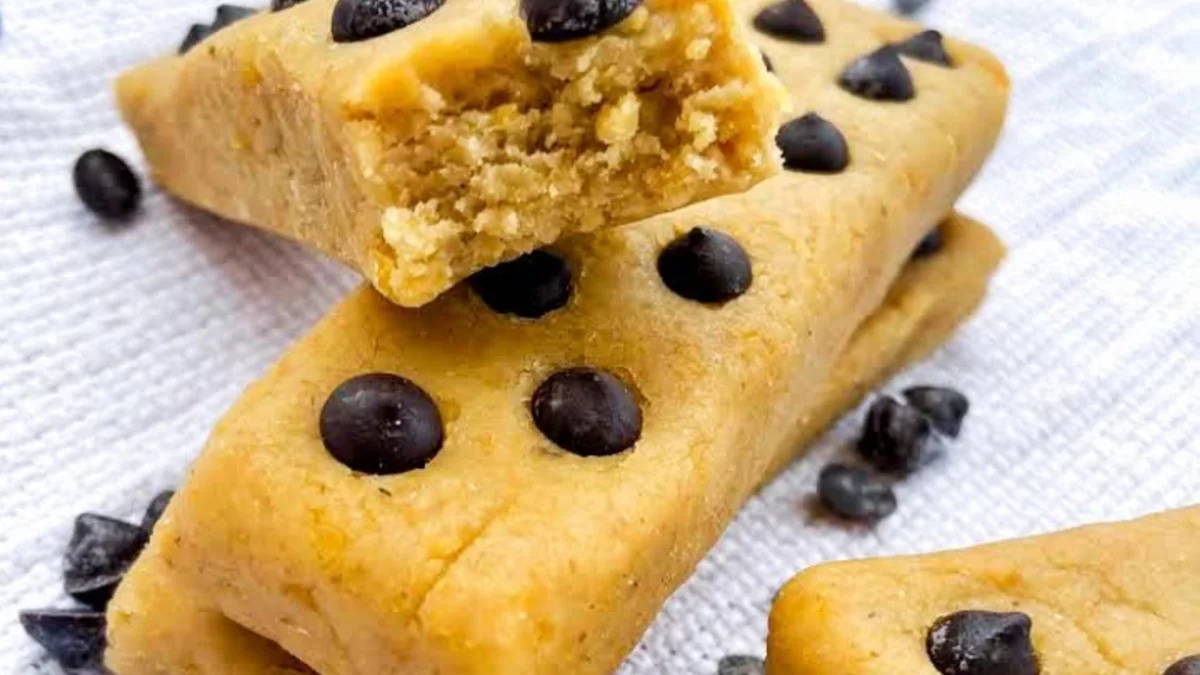
A plate of six gyoza, at about 380 kcal, equals roughly 89 minutes of steady walking for a 70 kg adult, the same as a chicken shish main course. A homemade protein bar is about 51 minutes and baba ganoush about 42. These are rough perspectives only: food is not something you need to earn or burn off.
Key takeaways
- For a 70 kg adult walking steadily at about 3.5 MET, minutes ≈ kcal ÷ 4.2875.
- The 10 snacks range from about 42 minutes (baba ganoush) to about 89 (six gyoza).
- A homemade protein bar has 10 g of protein; yogurt and fruit has 16 g for similar calories.
- Body size, pace and portion change the numbers a lot, so treat them as a rough guide.
- Walking is worth it for heart, mood and sleep, whatever the calorie count.
Why turn snack calories into walking minutes?
Snacks are easy to underestimate. A dip with vegetable sticks, a small bowl of chia pudding or a plate of dumplings feels like "something small", yet the energy in a snack can be close to that of a light meal. Seeing the number as minutes of walking makes the scale easier to picture.
That is the only purpose of this comparison. It is a rough perspective, not a rule. Food is not something you have to "earn" with exercise or "burn off" afterwards. Your body uses energy all day, even while you sleep, and a snack that keeps you comfortable until dinner can be a very sensible choice.
How are the walking minutes calculated?
We used the standard MET method from the Compendium of Physical Activities. One MET is roughly the energy you use sitting quietly. Steady, comfortable walking at about 4 to 4.7 km/h is listed at around 3.5 MET. The formula is:
- kcal per minute = MET × 3.5 × body weight (kg) ÷ 200
- For a 70 kg (about 154 lb) adult: 3.5 × 3.5 × 70 ÷ 200 = 4.2875 kcal per minute
- So walking minutes ≈ snack kcal ÷ 4.2875, rounded to the nearest minute.
The snack calories are Sporty's per-serving estimates from our meal catalog. Real values depend on the recipe and the size of your portion, and the energy you use depends on your body, pace and route. Read every number below as a rough guide, not a target.
How many walking minutes is each snack?
| Snack (per serving) | Calories | Protein | Walking minutes (70 kg) |
|---|---|---|---|
| Baba ganoush with cucumber sticks | 180 kcal | 4 g | about 42 min |
| Homemade protein bar (oats, nut butter, dates) | 220 kcal | 10 g | about 51 min |
| Yogurt and fruit | 230 kcal | 16 g | about 54 min |
| Guacamole with vegetable sticks | 240 kcal | 3 g | about 56 min |
| Hummus and raw vegetables | 260 kcal | 11 g | about 61 min |
| Bruschetta | 260 kcal | 6 g | about 61 min |
| Onigiri rice balls with tuna | 280 kcal | 10 g | about 65 min |
| Chia pudding | 300 kcal | 9 g | about 70 min |
| Caprese salad | 320 kcal | 16 g | about 75 min |
| Gyoza (6 dumplings) | 380 kcal | 18 g | about 89 min |
What stands out in these numbers?
- Snacks land between roughly 40 and 90 minutes. In this list, the range runs from about 42 minutes for baba ganoush to about 89 for a plate of gyoza. Most sit around an hour.
- Six gyoza match a main course. At about 380 kcal, they are the same as the chicken shish plate in our İskender walking-minutes comparison, also about 89 minutes. Neither is "too much"; it simply shows that a snack can be meal-sized in energy.
- A "protein bar" is not automatically high in protein. Our homemade oat, nut butter and date bar is about 220 kcal with 10 g of protein. A yogurt and fruit bowl has almost the same calories (230 kcal) with 16 g.
- Dips carry most of their energy in fat. Guacamole is about 240 kcal, of which 21 g is fat, mostly from avocado. Fat has 9 kcal per gram compared with 4 for protein and carbohydrates, so a little more oil or avocado shifts the number quickly.
- Swapping is gentler than sweating. Choosing baba ganoush (180 kcal) instead of gyoza (380 kcal) is a difference of 200 kcal, or about 47 minutes of walking at this pace.
Why are these numbers only a rough guide?
Several things change the result, sometimes a lot:
- Body size. The formula scales with weight. At the same pace a 55 kg person uses about 3.37 kcal per minute, so the gyoza would be about 113 minutes. A 90 kg person uses about 5.51 kcal per minute, or about 69 minutes.
- Pace. The Compendium lists brisk walking at around 4.8 MET. For a 70 kg adult that is about 5.88 kcal per minute, which turns the gyoza into about 65 minutes and the baba ganoush into about 31.
- Resting energy is already counted. The MET formula includes about 1 MET your body would use sitting still anyway. Only around 2.5 of the 3.5 MET is extra, so the true "extra" energy of the walk is smaller than the table suggests.
- The snack itself varies. A bigger spoon of hummus, more bread with the bruschetta or a drizzle of honey on the yogurt changes the calories. Packaged foods list their own values on the label.
So should you walk off your snacks?
No. Treating food as a debt to repay with exercise can turn eating into a source of guilt, and that is not a healthy way to relate to food or movement. Most of the energy you use each day goes on keeping your body running and on normal daily activity, not on planned workouts. A snack does not need to be followed by a walk.
What the table does show is that small food choices often move your energy balance more than extra exercise can. If weight loss is your goal, a moderate calorie deficit over weeks is what counts; our guide to the calorie deficit explains how it works.
What makes a snack worth eating?
Calories are only one part of the picture. A useful snack keeps hunger in check until your next meal, and protein, fibre and a bit of volume from vegetables or fruit tend to help with that. In this list, yogurt and fruit and the caprese salad each bring 16 g of protein, and hummus with raw vegetables adds fibre and crunch for about 260 kcal.
If you want ideas at the lighter end, our list of healthy snacks under 200 calories has more options. Sporty can log a snack from a photo, which makes the small, easy-to-forget extras visible next to your meals.
Why is walking still worth it?
Calories are the least interesting reason to walk. The WHO links regular physical activity with a lower risk of heart disease, high blood pressure, type 2 diabetes and some cancers, and with better mental health, sleep and thinking. It recommends at least 150 minutes of moderate activity a week for adults and notes that any amount is better than none.
A short walk after lunch, a phone call on foot or getting off public transport one stop early all count. For a realistic daily goal, see how many steps a day help with weight loss.
Who should get personal advice?
This is general information, not medical advice. If you are pregnant, under 18, living with a heart condition, diabetes or kidney disease, or have a history of eating disorders or compulsive exercise, talk to a doctor or registered dietitian before changing how you eat or move. If seeing food as exercise minutes makes you anxious, it is completely fine to skip this kind of comparison.
Frequently asked questions
How long do you have to walk to burn off a snack?
For a 70 kg adult walking at a steady pace (about 3.5 MET), divide the snack's calories by about 4.29. A 260 kcal hummus snack is roughly 61 minutes, but this is a rough perspective, not something you need to do.
Are protein bars high in protein?
Not always. Our homemade oat, nut butter and date bar is estimated at 220 kcal with 10 g of protein, while yogurt and fruit gives 16 g for 230 kcal. Check the label on packaged bars.
Do heavier people burn more calories walking?
Yes, at the same pace energy use rises with body weight. At 3.5 MET a 90 kg person uses about 5.51 kcal per minute and a 55 kg person about 3.37.
Should I skip snacks to lose weight?
Not necessarily. A snack with some protein or fibre can keep hunger in check until your next meal; what matters is your overall intake across the week.
Sources
This article is general information, not medical advice. If you have a health condition, are pregnant or under 18, talk to a doctor or registered dietitian before changing your diet.