

Foods that keep you full longest tend to be high in protein, fibre or water and low in calorie density: lean meat, fish, eggs, yogurt, lentils, beans, vegetables, soups and whole grains. In Sporty's estimates, protein pancakes give 30 g of protein for 380 kcal, while an açaí bowl gives 7 g for the same energy.
Key takeaways
- Protein, fibre and water-rich volume are the main levers of satiety.
- At about 380 kcal, protein pancakes have 30 g of protein and an açaí bowl 7 g (Sporty estimates).
- In a 2019 NIH trial, people ate about 508 kcal a day more on an ultra-processed diet than on an unprocessed one.
- Soups and salads add volume for relatively few calories.
- Eating slowly and regular meals help you notice fullness.
What is satiety and why does it matter?
Satiety is the feeling of fullness that lasts after a meal and delays the next one. It is different from satiation, the signal that tells you to stop eating during a meal. When you are trying to eat fewer calories, satiety is what makes the plan feel manageable: two meals with the same calories can leave you hungry an hour later or comfortable until dinner.
No single food guarantees fullness, and appetite also depends on sleep, stress, habits and how much you enjoy a meal. Still, a few properties of food consistently make a difference. The examples below use Sporty's per-serving estimates from our meal catalog; real values depend on recipe and portion.
Which properties make a food more filling?
Protein
Protein is generally considered the most filling of the three macronutrients, and it also supports muscle during weight loss. That is one reason high-protein breakfasts and lunches tend to carry people further. Lean meat, fish, eggs, Greek yogurt, cottage cheese, lentils, beans and tofu are all good sources.
Fibre
Fibre adds bulk, slows digestion and is found in vegetables, fruit, pulses, whole grains, nuts and seeds. UK guidelines recommend 30 g a day for adults, while the average intake is about 20 g, according to the NHS. Most people therefore have room to add more.
Water and volume
Foods with lots of water, such as vegetables, fruit, soups and stews, take up space in the stomach for relatively few calories. This idea is called low calorie density; our guide on calorie density explains it in detail. The WHO recommends at least 400 g of fruit and vegetables a day, which is also an easy way to add volume.
Minimal processing
In a 2019 inpatient trial at the US National Institutes of Health, 20 adults spent two weeks on an ultra-processed diet and two weeks on an unprocessed diet, eating as much as they wanted. On the ultra-processed diet they ate about 508 kcal a day more, and gained about 0.9 kg, while they lost about 0.9 kg on the unprocessed diet. It was a small study, but it suggests that highly processed foods make it easier to overeat without noticing.
How do similar-calorie meals compare on protein?
Protein is the easiest property to compare in numbers. These breakfast dishes from our catalog all sit between 280 and 450 kcal, yet protein differs more than fourfold:
| Breakfast | Calories | Protein | Protein per 100 kcal |
|---|---|---|---|
| Açaí bowl with granola | 380 kcal | 7 g | 1.8 g |
| Smoothie bowl | 340 kcal | 9 g | 2.6 g |
| Pancakes with honey and fruit | 450 kcal | 13 g | 2.9 g |
| Oats, yogurt and fruit | 390 kcal | 22 g | 5.6 g |
| Protein pancakes | 380 kcal | 30 g | 7.9 g |
| Cottage cheese and walnut fruit bowl | 280 kcal | 26 g | 9.3 g |
The açaí bowl and the protein pancakes have exactly the same calories, but one gives 7 g of protein and the other 30 g. None of these is a bad breakfast; the fruit bowls bring fibre and vitamins. If you often feel hungry by mid-morning, though, moving toward the bottom of this table is a simple change.
Which meals give the most volume for their calories?
Soups and salads are the classic volume foods. Here are some of the lightest catalog dishes that still look and feel like a real portion:
| Dish | Calories | Protein |
|---|---|---|
| Shepherd's salad (tomato, cucumber, pepper, onion) | 160 kcal | 3 g |
| Gazpacho | 170 kcal | 3 g |
| Tom yum soup with shrimp | 230 kcal | 24 g |
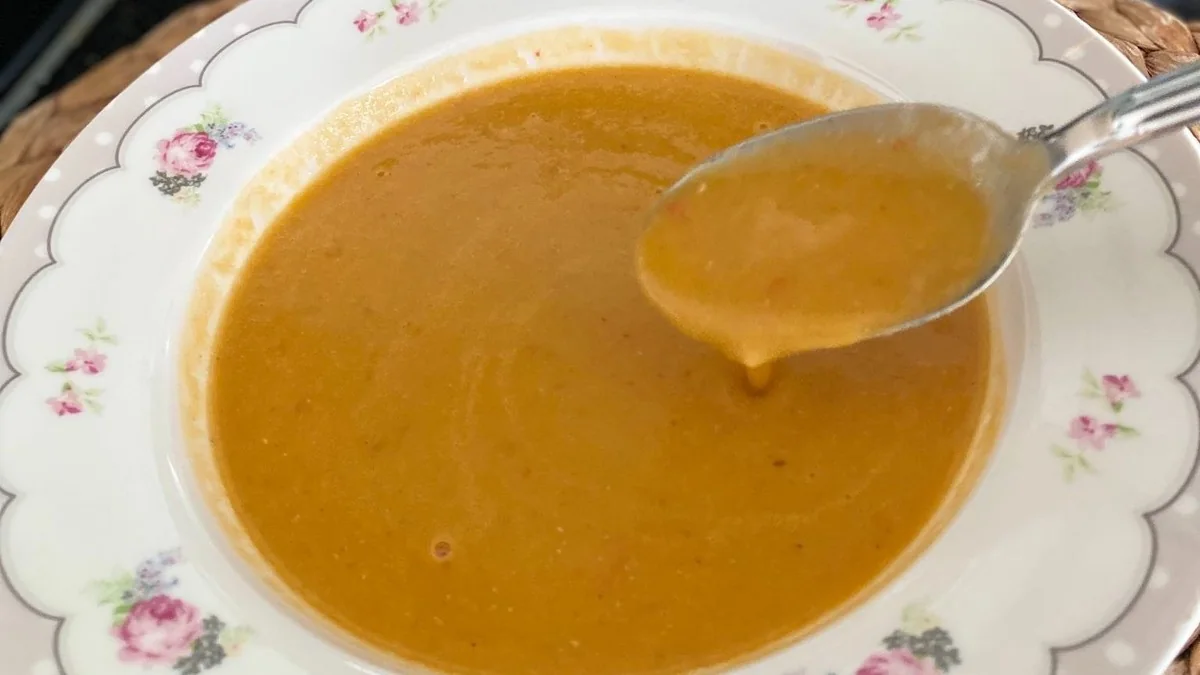
| Red lentil soup | 250 kcal | 13 g |
| Chicken soup with vermicelli | 260 kcal | 22 g |
The best combinations pair volume with protein. A tom yum or chicken soup brings both, while a shepherd's salad is light but low in protein, so it works best next to grilled fish, chicken or beans. Red lentil soup adds fibre and plant protein, which is why it is such a filling starter in Turkish, Middle Eastern and Indian kitchens alike.
Where does fat fit in?
Fat makes food taste good and helps you absorb some vitamins, so a little of it makes meals more satisfying. But it carries 9 kcal per gram, more than twice protein or carbohydrate, so fat-rich dishes deliver a lot of energy in a small volume. Compare two salads from our catalog: a Greek salad is about 290 kcal with 23 g of fat and 9 g of protein, while a chicken salad is about 380 kcal with 36 g of protein. The second costs 90 kcal more but is far more likely to carry you to the next meal. Olive oil, nuts, cheese and avocado are worth keeping; the trick is measuring them rather than pouring freely.
Is fruit juice as filling as fruit?
Usually not. Whole fruit brings its fibre and takes time to chew, while juice loses most of the fibre and delivers the same energy in a few sips. The WHO counts sugars in fruit juice as free sugars and advises keeping free sugars below 10% of daily energy. Water for thirst and whole fruit for hunger is the simpler rule.
What does a filling day of eating look like?
Put the properties together and a satisfying day might look like this:
- Breakfast: oats with yogurt and fruit, or eggs with vegetables and wholegrain bread.
- Lunch: a soup or large salad plus a protein, such as lentil soup with grilled chicken, or a tuna salad.
- Snack: yogurt, cottage cheese, fruit or raw vegetables with hummus.
- Dinner: fish, meat, tofu or beans with half the plate as vegetables and a modest portion of whole grains.
Our article on feeling fuller on fewer calories has more practical strategies, and the guide to fibre lists good sources.
Do eating habits affect fullness too?
Yes. Fullness signals take time, so eating slowly, sitting down and avoiding screens can help you notice when you have had enough; see mindful eating. Regular meals also make it less likely that you arrive at dinner very hungry. Drinks count too: liquid calories from juice or sweet drinks usually fill people less than the same energy from food.
When you log meals in Sporty, the protein total sits next to the calories, which makes it easy to spot meals that are light on protein and likely to leave you hungry.
This article is general information, not medical advice. If you constantly feel hungry despite eating enough, or have diabetes, a digestive condition, are pregnant, under 18 or have a history of disordered eating, talk to a doctor or registered dietitian.
Frequently asked questions
What food keeps you full the longest?
Foods high in protein, fibre or water tend to be the most filling: lean meat, fish, eggs, yogurt, cottage cheese, lentils, beans, vegetables, soups and whole grains. Combining protein with vegetables works best.
Is protein more filling than carbs or fat?
Protein is generally considered the most filling macronutrient. In Sporty's estimates, protein pancakes have 30 g of protein for 380 kcal against 7 g in an açaí bowl with the same calories.
Why do I get hungry soon after eating?
Meals low in protein and fibre, liquid calories, eating very quickly and long gaps between meals are common reasons. Sleep and stress also affect appetite.
Do ultra-processed foods make you eat more?
In a 2019 NIH trial with 20 adults, people ate about 508 kcal a day more on an ultra-processed diet than on an unprocessed one when they could eat as much as they wanted.
Was this article helpful?
No ratings yet — be the first.
Tap a star to rate it — your rating helps us improve and helps other readers.
Sources
This article is general information, not medical advice. If you have a health condition, are pregnant or under 18, talk to a doctor or registered dietitian before changing your diet.