

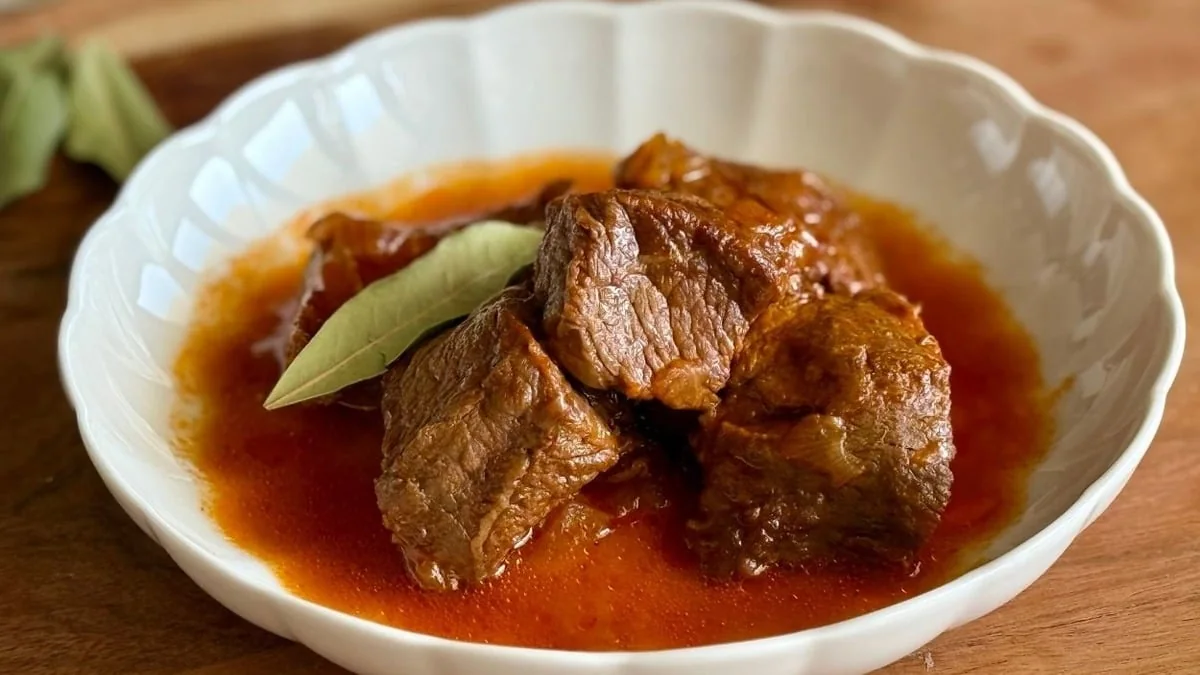
Winter does not stop weight loss, but it changes habits: darker days mean less movement, cold weather pulls towards rich comfort food, and holidays add extra meals. Warm, filling dishes such as goulash (about 450 kcal, 34 g protein in Sporty's estimates) or lentil soup, daily daylight walks and planned treats keep progress steady.
Key takeaways
- Winter rarely changes metabolism much; shorter days, cold weather and holidays mostly change behaviour.
- Hearty dishes can stay moderate: goulash is about 450 kcal and chili con carne about 480 kcal with 34 g of protein each (Sporty estimates).
- Adults are advised to get at least 150 minutes of moderate activity a week, plus strength work on two days.
- The NHS advises considering 10 micrograms of vitamin D a day in autumn and winter.
- Low mood, extra tiredness and increased appetite that return every winter can be signs of seasonal affective disorder: talk to a doctor.
Why does losing weight feel harder in winter?
For most people, winter changes routines more than it changes the body. When it gets dark at five, the evening walk disappears. Cold, wet weather makes the sofa more appealing than the gym. Comfort food feels natural, and the season brings a run of celebrations, from Thanksgiving and Christmas to New Year and, in some years, Ramadan or other holidays. Each change is small, but together they can stall a calorie deficit or add a kilo or two.
The good news is that each of these is something you can plan for. Weight loss in winter follows the same rules as the rest of the year: a modest calorie deficit, enough protein, regular movement and good sleep. The tactics just need to fit the season.
Does cold weather burn more calories?
Not in a way that matters for most people. Our bodies do spend some energy staying warm, but heated homes, offices and warm clothes mean the extra is usually small. It is not a reason to eat more, and it will not offset a few extra hundred calories of comfort food. The real seasonal effect on energy balance is usually on the other side: less walking and more eating.
How can comfort food stay lighter?
You do not need to live on salads in December. Stews, soups and casseroles can be warm, filling and moderate in calories, especially when they are built on lean meat, pulses and plenty of vegetables. The numbers below are Sporty's per-serving estimates; real values depend on the recipe and portion.
| Winter dish | Calories | Protein | Fat |
|---|---|---|---|
| Red lentil soup | 250 kcal | 13 g | 6 g |
| Minestrone | 260 kcal | 10 g | 6 g |
| Chickpea stew | 360 kcal | 16 g | 10 g |
| Goulash | 450 kcal | 34 g | 20 g |
| White bean stew with beef | 450 kcal | 28 g | 15 g |
| Chili con carne | 480 kcal | 34 g | 20 g |
| Roast chicken with vegetables | 480 kcal | 46 g | 24 g |
| Beef stroganoff | 560 kcal | 36 g | 28 g |
| Lasagna | 620 kcal | 32 g | 30 g |
| Mac and cheese | 620 kcal | 24 g | 29 g |
Tomato-based stews like goulash and chili con carne deliver plenty of protein for under 500 kcal. Cream- and cheese-heavy dishes such as stroganoff, lasagna or mac and cheese sit higher, mainly because of their fat. They can still fit; a smaller portion next to a big salad or a bowl of soup is often enough to feel satisfied.
A few easy tweaks for winter cooking:
- Bulk up with vegetables and pulses. Carrots, cabbage, squash, lentils and beans add volume and fibre for few calories.
- Brown with less oil. Fat has 9 kcal per gram, so measuring the oil for a stew can save more than 100 kcal per pot.
- Use yogurt instead of cream to finish sauces, adding it off the heat so it does not split.
- Start with soup. A bowl of broth-based soup before the main course takes the edge off hunger. See filling soups from around the world.
How do you stay active when it is dark and cold?
The NHS recommends that adults do at least 150 minutes of moderate activity a week, or 75 minutes of vigorous activity, plus strengthening activities on two or more days a week. In winter, the trick is moving activity to the times and places that are still easy:
- Walk in daylight. A 20–30 minute walk at lunchtime adds steps and daylight at the same time. See how many steps a day help.
- Train indoors. Bodyweight exercises, resistance bands, a home workout video or a gym class work regardless of weather.
- Keep strength work going. Twice a week is enough to help preserve muscle while you lose weight.
- Dress for it. Layers, gloves and a reflective jacket make an evening walk much more inviting.
- Book it in. A fixed class or a walk with a friend is harder to skip than a vague plan.
Do you need vitamin D in winter?
In places far from the equator, the skin makes little vitamin D from sunlight in the colder months. The NHS notes that in the UK, between October and early March, people do not make enough vitamin D from sunlight, and advises everyone to consider a daily supplement of 10 micrograms in autumn and winter. Food sources include oily fish such as salmon, sardines, trout, herring and mackerel, egg yolks, red meat and some fortified foods. A serving of grilled salmon is about 460 kcal with 40 g of protein in Sporty's estimates. Advice differs between countries, so check your local guidance, and ask a doctor or pharmacist before taking supplements if you have a medical condition. The guide to calcium and vitamin D has more detail.
What about holidays and parties?
Winter holidays can mean several large meals in a few weeks. Planning helps more than restriction: decide which events matter most, enjoy those fully, and keep the ordinary days in between ordinary. Weight follows your intake over weeks, so one festive dinner does not undo your progress. The Christmas and New Year dinner guide has numbers for typical festive plates. Logging those meals in Sporty, even roughly, keeps your weekly average visible.
Can winter affect mood and appetite?
For some people, yes. Seasonal affective disorder (SAD) is a type of depression that comes and goes in a seasonal pattern, usually starting in autumn or winter. According to the NHS, symptoms can include low mood, feeling more tired and sleeping more than usual, and feeling hungrier and eating more than usual. Getting as much natural daylight as possible and staying active can help. If these symptoms come back every winter or affect daily life, see a doctor rather than trying to diet through it.
Sleep matters too. Dark mornings can disrupt routines; keeping regular bed and wake times supports both mood and appetite.
This article is general information, not medical advice. If you have a medical condition, are pregnant, under 18 or have a history of disordered eating, talk to a doctor or registered dietitian before changing your diet. Avoid going below about 1,200 kcal a day for women or 1,500 kcal for men without medical supervision.
Frequently asked questions
Is it harder to lose weight in winter?
Many people find it harder because they move less, eat more comfort food and attend more celebrations. The body's energy needs barely change, so planning meals and activity for the season keeps progress going.
Do you burn more calories when you are cold?
The body uses some energy to stay warm, but with heating and warm clothes the extra is small for most people. It does not offset extra comfort food.
What are good low-calorie winter meals?
Broth-based soups, lentil and bean stews, goulash, chili con carne and roast chicken with vegetables are warm and filling. In Sporty's estimates most of these are under 500 kcal per serving.
Should I take vitamin D in winter?
The NHS advises everyone in the UK to consider 10 micrograms a day in autumn and winter. Guidance varies by country, so check local advice and ask a doctor or pharmacist if you have a medical condition.
Was this article helpful?
No ratings yet — be the first.
Tap a star to rate it — your rating helps us improve and helps other readers.
Sources
This article is general information, not medical advice. If you have a health condition, are pregnant or under 18, talk to a doctor or registered dietitian before changing your diet.