

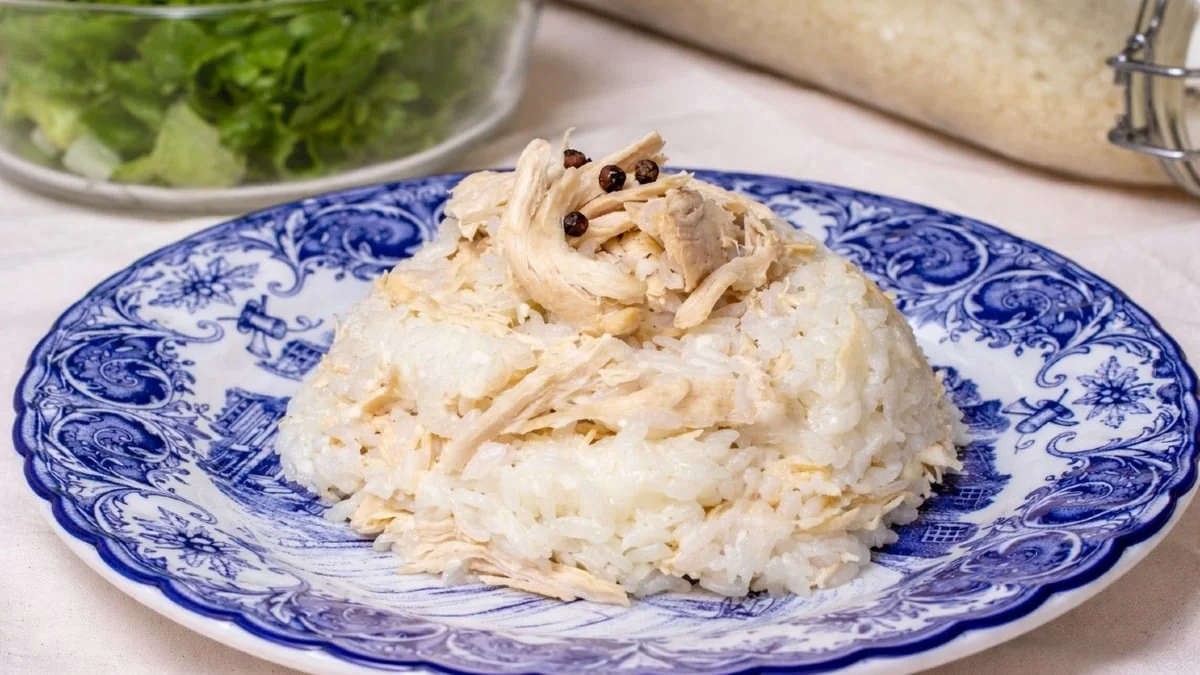
A food scale is worth it for a few weeks if you count calories, because it trains your eye and catches the biggest errors in oil, nuts, rice, pasta and meat. You do not need to weigh everything forever. Weigh energy-dense foods, estimate vegetables, and drop the scale if it makes eating stressful.
Key takeaways
- Guessing errors are largest for energy-dense foods: oil, nuts, nut butter, cheese, rice, pasta, cereal and meat.
- Eating 200 g of roasted chicken breast instead of the 150 g you guessed adds about 80 kcal (USDA values).
- Fat has 9 kcal per gram, so free-poured oil is the single most common hidden source of calories.
- Two to four weeks of weighing is usually enough to calibrate your eye; after that, spot-check.
- If weighing food makes you anxious or obsessive, stop and use hand-size portions instead.
Do you really need a food scale to lose weight?
No, but it helps many people count more accurately, especially at the start. Weight loss depends on eating less energy than you use over time, and you can get there without weighing anything. People who track calories, though, often underestimate portions of foods that pack a lot of energy into a small volume. A digital kitchen scale removes that guesswork for the foods where it matters most.
The useful question is not whether a scale is necessary, but where it changes the numbers enough to matter. For a bowl of salad leaves, a 30% error is a handful of calories. For a pour of olive oil or a scoop of peanut butter, the same 30% error can erase a large part of a day's deficit.
How big are typical guessing errors?
Here is what happens when a portion is larger than you think, using USDA FoodData Central values: roasted skinless chicken breast has about 165 kcal per 100 g and cooked lentils about 116 kcal per 100 g. Fat, including any cooking oil, has 9 kcal per gram.
| Food | What you log | What is on the plate | Difference |
|---|---|---|---|
| Roasted chicken breast | 150 g (about 250 kcal) | 200 g (330 kcal) | about +80 kcal |
| Cooked lentils | 150 g (about 175 kcal) | 220 g (about 255 kcal) | about +80 kcal |
| Cooking oil | 5 g (about 45 kcal) | 15 g (about 135 kcal) | about +90 kcal |
None of these errors looks dramatic on its own. Together they add about 250 kcal to one day, which is roughly half of a typical 500 kcal daily deficit. Over a week that is around 1,750 kcal. Using the rough rule that about 7,700 kcal corresponds to 1 kg of body fat (an approximation, not an exact conversion), that is close to a quarter of a kilo of expected progress each week that never appears on the scale.
This is one reason people feel they are "eating 1,500 kcal and not losing weight". The guide on how accurate calorie counts are explains the other sources of error, from labels to restaurant meals.
Which foods are worth weighing?
A scale earns its place with foods that are calorie-dense, easy to over-serve and hard to judge by eye. Low-calorie foods are rarely worth the effort.
| Worth weighing | Usually fine to estimate |
|---|---|
| Cooking oil, butter, ghee | Leafy greens and salad vegetables |
| Nuts, seeds, nut butters | Cucumber, tomato, peppers, courgette |
| Cheese | Broth-based soups |
| Rice, pasta, bulgur, couscous (dry or cooked) | Whole fruit you can count (one apple, one orange) |
| Breakfast cereal, granola, oats | Packaged items you eat whole (one yogurt pot) |
| Meat and fish portions | Black coffee, tea, water |
Packaged foods that come in single servings do not need a scale: the label already tells you the weight. For those, scanning the barcode is faster than weighing. When you weigh grains or meat, be consistent about raw or cooked weight, because cooking changes it a lot. The article on cooked vs raw weights shows how much.
Does tracking actually help with weight loss?
The evidence on self-monitoring is encouraging but not perfect. A 2011 systematic review by Burke and colleagues looked at 22 studies and found a consistent link between self-monitoring of diet and weight loss. The authors also rated the evidence as weak because of methodological limits, and said the right "dose" of tracking is unknown. In other words, keeping a record seems to help, but nobody has shown that weighing every gram is better than reasonable estimates.
The CDC suggests a simpler starting point: write down everything you eat and drink for a few days to see where you are. A scale makes that record more accurate; it does not replace the habit itself.
How to use a food scale without making it a chore
- Use the tare button. Put the plate or bowl on the scale, press tare to reset to zero, then add the food. You can add several foods to the same plate, taring between each.
- Weigh only the dense foods. Oil, grains, nuts, cheese and meat. Estimate the vegetables.
- Weigh oil into the pan. Put the pan on the scale and pour, or use a measuring spoon. This one habit removes the biggest hidden source of calories in home cooking.
- Weigh family dishes once. Weigh the empty pot, then the full pot, and divide the total by the portion you serve yourself. See the guide on portion sizes without a scale for quick visual equivalents.
- Calibrate for two to four weeks, then spot-check. Once you know what 150 g of rice or 30 g of nuts looks like in your own bowls, weigh only occasionally, for example once a week or when progress stalls.
Many meals are easier to log from a photo: Sporty estimates the portion from a picture, and you can correct the grams if you have weighed something. That combination, photo for speed and scale for the few foods that need it, keeps logging quick.
When should you skip the scale?
A scale is a tool, not a requirement. It is probably not worth it if:
- You are not counting calories and are losing weight steadily with simpler habits.
- Most of your meals are eaten out, where you cannot weigh anything anyway.
- Weighing food makes you anxious, rigid or guilty, or you feel unable to eat without it.
If you have a history of disordered eating, precise weighing can be unhelpful; talk to a doctor or registered dietitian about an approach that suits you. Teenagers under 18 should not be counting or weighing food for weight loss without medical guidance. And a scale does not change the basic safety rules: a sustainable pace is about 0.5–1 kg (1–2 lb) a week, and very low intakes below about 1,200 kcal a day for women or 1,500 kcal for men need medical supervision.
The bottom line
A food scale is a cheap, short-term learning tool. Use it for a few weeks on oil, grains, nuts, cheese and meat, learn what your usual portions really weigh, and then rely mostly on your trained eye. If your weight stops moving, a week of weighing again is one of the simplest checks you can do. For other common slip-ups, see the 10 calorie-counting mistakes beginners make.
This article is general information, not medical advice.
Frequently asked questions
Do I need to weigh vegetables?
Usually not. Leafy greens and most non-starchy vegetables are so low in calories that estimation errors barely matter. Weigh starchy foods, fats and proteins instead.
Should I weigh food raw or cooked?
Either works if you are consistent and log the matching entry. Raw weights are more reliable for meat and grains because cooking changes water content.
How long should I use a food scale?
Two to four weeks is usually enough to learn what your common portions look like. After that, spot-check occasionally or when your progress stalls.
Is a food scale bad for people with a history of eating disorders?
It can be. If weighing makes you anxious or rigid, stop and talk to a doctor or registered dietitian about an approach that suits you.
Was this article helpful?
No ratings yet — be the first.
Tap a star to rate it — your rating helps us improve and helps other readers.
Sources
This article is general information, not medical advice. If you have a health condition, are pregnant or under 18, talk to a doctor or registered dietitian before changing your diet.