
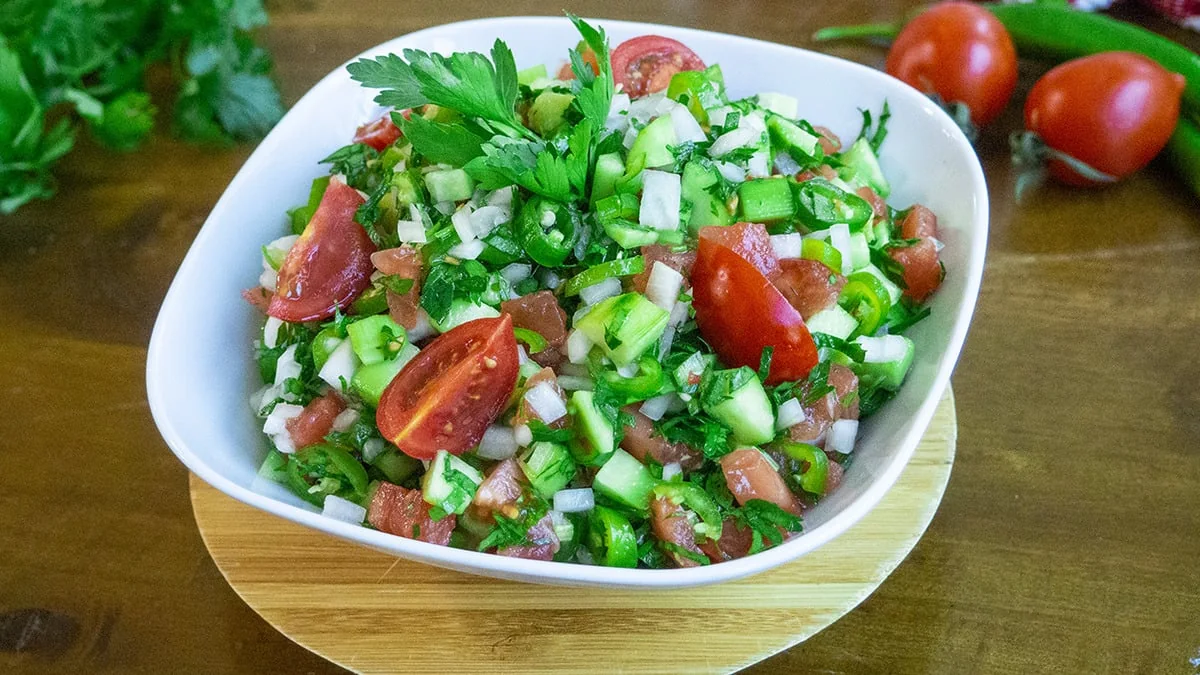
You can lose weight without logging every bite by building meals that are naturally lighter: half a plate of vegetables, a palm of protein, one ladle of grains and oil measured with a spoon. Cutting sugary drinks and watching your weekly weight trend keeps a calorie deficit going without daily counting.
Key takeaways
- Weight loss still needs a calorie deficit; habits can create it without a daily log.
- Use your hand: half a plate of vegetables, a palm of protein, one ladle of grains.
- Oil is the biggest hidden lever: a tablespoon of olive oil is about 119 kcal.
- Swapping İskender for chicken shish saves about 340 kcal in Sporty's estimates.
- If your weekly average stalls for 3–4 weeks, log three typical days to find the gap.
Can you really lose weight without counting calories?
Yes. Weight loss still comes down to energy balance: you lose fat when you take in fewer calories than you burn over weeks and months (the calorie deficit explained covers the maths). Counting every gram is one way to create that deficit, but it is not the only one. Habits that reliably make your usual meals a little lighter do the same job, and many people find them easier to keep for years.
The aim is not a dramatic cut. As a rough rule, about 7,700 kcal corresponds to 1 kg of body fat, so a modest, steady deficit adds up over time. The CDC notes that people who lose weight gradually and steadily, about 0.5–1 kg (1–2 lb) a week, are more successful at keeping it off. The habits below are designed for exactly that kind of slow, repeatable progress.
How do you build a lighter plate without numbers?
Turkey's official nutrition guide, TÜBER 2022, defines standard portions with hands, ladles and spoons. Because your hand stays the same size, it works as a personal measuring tool you always carry. Our guide to portion sizes without a scale goes through every measure; for everyday plates, four are enough:
- Half the plate vegetables or salad. A fist is about 150 g of vegetables. Filling half the plate this way is an easy step toward the WHO advice of at least 400 g of fruit and vegetables a day.
- A palm of protein. One palm is about 75–80 g of cooked meat or chicken. Fish, eggs, yogurt and pulses work too.
- One level ladle of grains. A medium ladle of rice or bulgur pilaf is about 90–110 g. Decide on one before you sit down instead of refilling from the pot.
- Oil from a spoon, not the bottle. One teaspoon of oil is about 5 g.
You do not need to get this perfect. A plate that looks roughly like this most of the time already does most of the work a calorie log would do. The same logic works when you eat out: look at the plate and ask roughly what share is vegetables, protein and grains. If rice or bread covers half of it, swapping some of it for salad is often enough.
Which swaps save the most calories?
You do not have to give up the dishes you like. Swapping a richer dish for a similar, lighter one a few times a week makes a real difference. These are Sporty's per-serving estimates; real values depend on the recipe and the portion.
| Instead of | Try | Calories saved |
|---|---|---|
| İskender kebab (720 kcal) | Chicken shish (380 kcal) | about 340 kcal |
| Adana kebab (620 kcal) | Chicken shish (380 kcal) | about 240 kcal |
| Mantı (560 kcal) | Red lentil soup + shepherd's salad (250 + 160 kcal) | about 150 kcal |
| Karnıyarık (460 kcal) | İmam bayıldı (320 kcal) | about 140 kcal |
The lighter options are not small meals. Chicken shish gives about 46 g of protein for 380 kcal, and a bowl of red lentil soup with a shepherd's salad is a full, warm meal for around 410 kcal.
Why does oil matter so much?
Fat has 9 kcal per gram, compared with 4 kcal per gram for protein and carbohydrates, so the oil in a dish moves its calories more than anything else. According to USDA FoodData Central, a teaspoon of olive oil (5 g) has about 44 kcal and a tablespoon (13.5 g) about 119 kcal. The difference between a measured spoon and a free pour can easily be a hundred calories or more per meal.
This is especially true for Turkish olive-oil dishes, which are vegetable-based but often generous with oil. In the same per-serving estimates, green beans in olive oil come to 210 kcal with 11 g of fat, so roughly half the calories come from the oil. In İmam bayıldı it is about 23 g of fat out of 320 kcal, around two thirds. These dishes are still good choices; cooking them at home with a measured amount of oil is one of the simplest changes you can make.
- Measure cooking oil with a spoon for a week or two until you know what it looks like in the pan.
- Dress salads with lemon or vinegar first, then add oil by the teaspoon.
- Grill, bake or simmer more often than you fry.
What about drinks?
Drinks are easy to overlook because they do not fill you up the way food does. Sweetened tea, fruit juice, soft drinks, sweet coffee drinks and alcohol can add several hundred calories a day without feeling like a meal. The WHO recommends keeping free sugars below 10% of total energy, and ideally below 5%. Our article on liquid calories shows how quickly they add up. The simplest rule: drink water, unsweetened tea or plain coffee most of the time, and treat other drinks as part of a meal.
How do you keep meals filling?
Eating less only works if you are not hungry all the time. A few habits help most people:
- Include protein at every meal. Eggs, yogurt, chicken, fish or pulses make meals more substantial for their calories.
- Start with soup or salad. A bowl of lentil soup or a shepherd's salad is a lot of food for its calories.
- Eat slowly and serve once. Plate your food in the kitchen instead of eating from shared serving dishes.
- Plan snacks. A piece of fruit or a pot of yogurt is easier to control than whatever is around when you get hungry.
How do you know it is working?
Without daily numbers, your weight trend becomes the feedback. Weigh yourself at the same time of day, a few times a week, and look at the weekly average rather than a single reading. Water and salt can move the scale by a kilo or more from one day to the next, which our guide to water weight vs fat loss explains.
If your average has not moved for three to four weeks, that is the moment to check. Log everything for three typical days, including oil, drinks and snacks. This short audit usually shows where the extra calories are hiding. Sporty can estimate a meal from a photo, which keeps a spot-check like this quick. Then go back to your habits with one or two specific changes.
When should you get personal advice?
This is general information, not medical advice. If you are pregnant or breastfeeding, under 18, have diabetes, kidney disease or another medical condition, or have a history of eating disorders, talk to a doctor or registered dietitian before changing how you eat. Avoid very low intakes: without medical supervision, do not go below about 1,200 kcal a day for women or 1,500 kcal a day for men.
Frequently asked questions
Can I lose weight without counting calories?
Yes. You still need to eat fewer calories than you burn, but consistent habits such as hand-sized portions, measured oil and fewer sugary drinks can create that deficit without a daily log.
How big should my portions be?
Turkey's TÜBER 2022 guide uses your hand: a palm is about 75–80 g of cooked meat or chicken, a fist about 150 g of vegetables, and a level ladle about 90–110 g of rice or bulgur pilaf.
What should I do if I stop losing weight?
Look at your weekly average rather than daily readings. If it has not moved for three to four weeks, log three typical days including oil, drinks and snacks to see where the extra calories come from.
Is not counting calories safe for everyone?
These are general habits, not medical advice. If you are pregnant, under 18, have a medical condition or a history of eating disorders, talk to a doctor or registered dietitian first.
Sources
This article is general information, not medical advice. If you have a health condition, are pregnant or under 18, talk to a doctor or registered dietitian before changing your diet.