

When you are busy, count calories with a minimal system: log main meals and caloric drinks right after eating, reuse your regular meals, estimate with hand portions instead of skipping, and focus on oil, sauces, drinks and snacks. In one study, people who lost more weight logged more often, not for longer.
Key takeaways
- Short, frequent log entries work better than reconstructing the day at night.
- In one study, logging time fell from about 23 to 15 minutes a day over six months.
- Repeat meals and log them in seconds; spend your attention on oil, drinks and snacks.
- A rough estimate is better than a blank entry, and a missed day does not erase your progress.
- Do not go below about 1,200 kcal (women) or 1,500 kcal (men) a day without medical supervision.
Can you count calories when you have no time?
Yes, if you stop trying to do it perfectly. The version of calorie counting that wears people out is the one where every gram is weighed, every recipe is entered ingredient by ingredient and a missed lunch means the whole day is "ruined". Busy weeks break that system quickly. A minimal approach keeps the parts that do most of the work and drops the rest.
The good news is that tracking tends to get faster with practice. In an analysis of 142 adults in an online weight-loss programme (Harvey et al., 2019), people spent about 23 minutes a day on self-monitoring in the first month and about 15 minutes a day by month six. More interesting: the people who lost at least 5 % of their weight did not spend more time logging. They logged more often, about 2.4 times a day compared with 1.6. Frequency mattered more than minutes. It is an observational finding, so it does not prove cause and effect, but it points to a practical rule: short, frequent entries beat long evening sessions.
What is the minimum that still works?
Think of three layers. Start with the first and only add more if you have the time and want more precision.
| Level | What you track | Time per day | Best for |
|---|---|---|---|
| 1. Core | Main meals plus drinks with calories, entered right after eating | A few short entries | Very busy weeks, travel |
| 2. Standard | Everything you eat, estimated with hand portions or a photo | A few more entries | Most normal weeks |
| 3. Precise | Weighed portions and full home recipes | Longer | A stalled plateau or a specific goal |
The CDC suggests keeping a food and drink diary for a few days to see your habits and where small changes could help. Even the core level does that job.
Which shortcuts save the most time?
Log as you go
Entering a meal right after you eat takes seconds; reconstructing a whole day at 11 p.m. takes much longer and is less accurate. Sporty lets you log a meal from a photo, a barcode, a short text or your voice, so a lunch at your desk can be recorded before you go back to work.
Repeat your regular meals
Most people eat the same handful of breakfasts and lunches on weekdays. Once those are logged, the next time is a tap. Here is an example of a simple "default day" built from Sporty's per-serving estimates (real values depend on recipe and portion):
| Meal | kcal | Protein |
|---|---|---|
| Breakfast: oats, yogurt and fruit | 390 | 22 g |
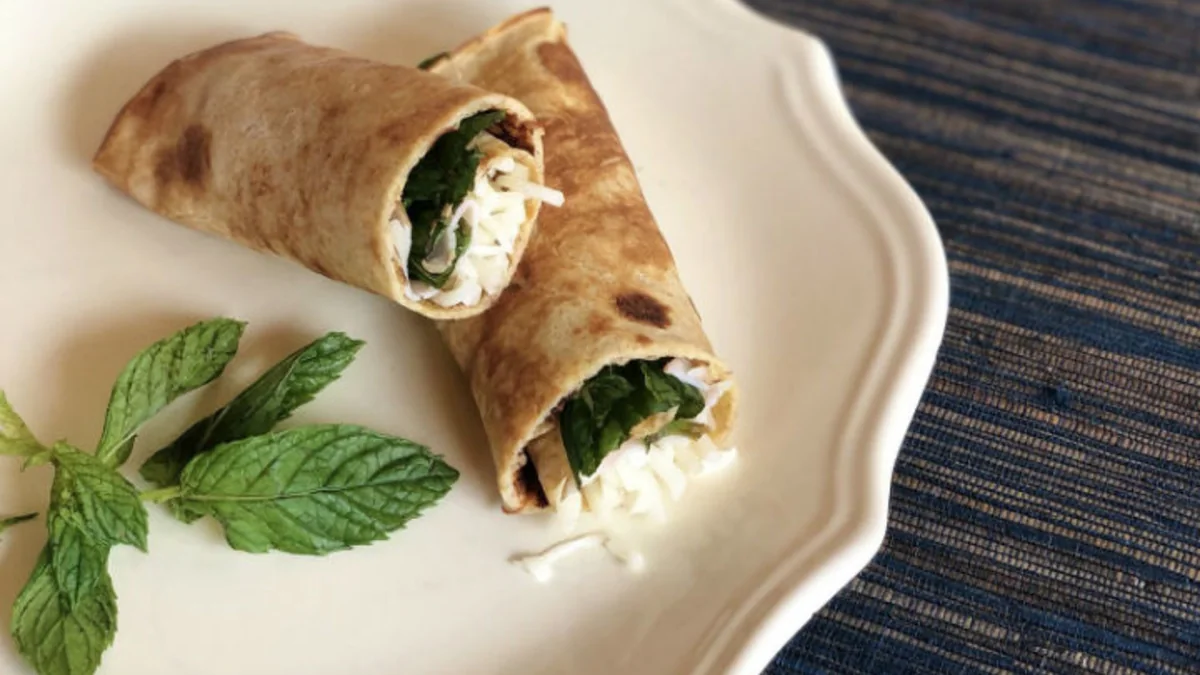
| Lunch: chicken wrap | 480 | 34 g |
| Snack: yogurt and fruit | 230 | 16 g |
| Dinner: grilled fish and vegetables | 450 | 48 g |
| Total | 1,550 | 120 g |
This is an illustration, not a target. Your own number depends on your body and activity, and you can estimate it below.
Mifflin-St Jeor equation × activity factor. Capped at the usual minimum (1,200 kcal women / 1,500 kcal men); going lower needs medical supervision. Estimates only.
Focus on the big-ticket items
When time is short, spend your attention where calories hide: cooking oil, sauces, drinks, snacks and second helpings. One tablespoon of oil is roughly 120 kcal (USDA FoodData Central), so a free pour in the pan can matter more than whether your tomato weighed 90 or 110 g. Vegetables, by contrast, rarely change your total much, so a rough estimate is fine.
The same logic applies to drinks. A milky, sweetened coffee, a glass of juice or a can of soft drink adds up quietly during the day. Logging each one as you pour it is far easier than trying to remember them all in the evening, and it closes the gap that most often goes missing from a log.
Estimate instead of skipping
A guess is better than a blank. If you ate at a colleague's birthday or grabbed something on the run, log your best estimate using hand portions: a palm of meat or fish, a fist of rice or pasta, a thumb of oil or butter. Our guide to portion sizes without a scale shows how.
What does a busy week look like in practice?
- Monday to Friday: breakfast and lunch are repeat meals, logged in seconds. Dinner gets a photo or a quick text description. Drinks with calories are entered when you pour them.
- A chaotic day: only dinner and the obvious extras get logged. That is fine. Partial data still shows patterns.
- The weekend: restaurant meals are estimated rather than skipped, and you note shared plates and drinks.
- Once a week: look at the week as a whole rather than judging single days. Once you have logged enough meals, the app's weekly summary makes this review quick.
Is it okay to miss days?
Yes. Weight change follows your intake across weeks, not single days, so one missed day does not erase what you learned from the others. What tends to hurt is the all-or-nothing reaction: one untracked day turns into an untracked week. The fix is simple: log the next meal as normal, without trying to rebuild the missing day in detail and without "making up" for it by eating very little.
When you notice a missed day, ask yourself one question: what was the biggest meal I remember? A rough entry for that is enough; let the rest go and carry on. Your weekly picture keeps no large gap, and you get back on track without guilt.
If you find even the core level is too much, a period of not counting can still work if you keep the habits you learned: similar portions, protein at each meal, vegetables on half the plate. See how to lose weight without counting every calorie.
How accurate does a minimal log need to be?
Accurate enough to show trends. If your log says you eat about 1,800 kcal a day and your weekly average weight is slowly falling, your log is doing its job, even if some entries are rough. If the average is flat for two to three weeks, move up one level for a week: weigh a few portions, measure oil, check drinks. That usually reveals where the gap is. If you are new to all this, your first week of calorie counting explains what to expect.
Who should be careful?
Calorie counting is a tool, not a test. If tracking makes you anxious, leads to eating very little or feels obsessive, step back and talk to a doctor or registered dietitian, especially if you have a history of disordered eating. Do not aim below about 1,200 kcal a day for women or 1,500 kcal for men without medical supervision. People who are pregnant, under 18 or managing a medical condition should get personal advice before setting a calorie target. This article is general information, not medical advice.
Frequently asked questions
How long does calorie counting take each day?
It gets faster with practice. In one study of an online programme, people spent about 23 minutes a day in the first month and about 15 minutes a day by month six, and logging often mattered more than logging for long.
What should I track if I only have time for the basics?
Track your main meals and any drinks with calories, entered right after you eat. Pay most attention to cooking oil, sauces, snacks and second helpings, where calories add up fastest.
What if I forget to log a whole day?
Just log the next meal as normal. Weight follows your intake over weeks, so one missing day does not undo your progress, and there is no need to eat less the next day to make up for it.
Is a rough estimate good enough?
Usually, yes. If your weekly average weight is moving the way you want, your log is accurate enough. If it stalls for two to three weeks, measure portions more carefully for a week.
Was this article helpful?
No ratings yet — be the first.
Tap a star to rate it — your rating helps us improve and helps other readers.
Sources
This article is general information, not medical advice. If you have a health condition, are pregnant or under 18, talk to a doctor or registered dietitian before changing your diet.