

Whole grains keep the bran, germ and endosperm; refined grains lose the bran and germ, and with them most of the fibre and many vitamins and minerals. Calories per gram are similar, but whole grains are more filling. Each extra 90 g a day was linked with 17% lower all-cause mortality in a 2016 meta-analysis.
Key takeaways
- Refining removes the bran and germ, where most of the fibre, B vitamins and minerals sit.
- Whole and refined grains have roughly similar calories per gram; the difference is fibre and fullness.
- WHO advises carbs mainly from whole grains, vegetables, fruit and pulses, and at least 25 g of fibre a day.
- In a 2016 BMJ meta-analysis, 90 g more whole grains a day was linked with 19% lower coronary heart disease risk.
- Check the ingredient list for whole-grain flour first; colour and "multigrain" labels can mislead.
What is the difference between whole and refined grains?
A whole grain keeps all three parts of the kernel: the bran, the germ and the endosperm. A refined grain has had the bran and germ removed, leaving mostly the starchy endosperm. That one processing step changes a lot. The bran holds most of the fibre, and the bran and germ together carry much of the grain's B vitamins, vitamin E, iron, magnesium, zinc and healthy fats. The endosperm is mainly starch with some protein.
| Part of the kernel | What it provides | Whole grain | Refined grain |
|---|---|---|---|
| Bran (outer layer) | Most of the fibre, B vitamins, minerals | Kept | Removed |
| Germ (seed embryo) | B vitamins, vitamin E, healthy fats, minerals | Kept | Removed |
| Endosperm (inner part) | Starch and some protein | Kept | Kept |
Refining gives flour a finer texture and a longer shelf life, which is why white bread, white rice and most pastries are made from refined grains. In many countries refined flour is fortified with some B vitamins and iron, but the fibre is not added back.
Which foods are whole grains?
Some whole grains are already familiar in Turkish kitchens:
- Bulgur. Wheat that is boiled, dried and cracked, so the whole kernel stays in. A serving of bulgur pilaf is about 290 kcal in Sporty's catalog.
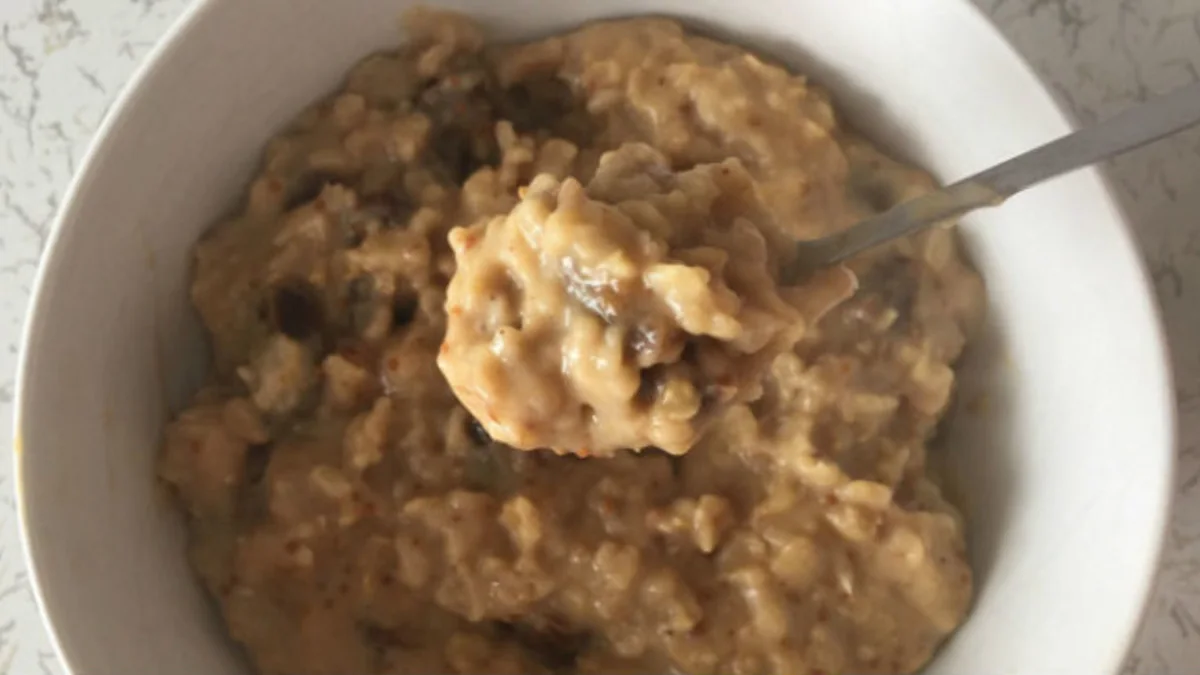
- Oats. Rolled and steel-cut oats are whole grains; a bowl of oats, yogurt and fruit is about 390 kcal with 22 g of protein.
- Whole-wheat bread and pasta, made from whole-wheat flour (tam buğday unu).
- Brown rice, barley, rye, freekeh (firik), buckwheat, millet and quinoa. Buckwheat and quinoa are technically seeds, but they are eaten and counted like whole grains.
Typical refined grains are white bread, simit, white rice, regular pasta, most crackers, pastry (börek, poğaça) and many breakfast cereals.
Are whole grains lower in calories?
Not really. Gram for gram, whole and refined grains provide roughly similar calories, because both are mostly carbohydrate at 4 kcal per gram. A large portion of brown rice is still a large portion. The differences that matter for weight are fibre and fullness: the NHS notes that fibre helps keep your bowels healthy and can help you feel full, which may make it easier to eat a sensible amount. Whole grains also tend to be chewier and less finely processed, which can slow down how quickly you eat.
So switching to whole grains is not a calorie trick, but it can make the same calorie budget feel more satisfying. Portion and overall intake still decide weight change; the guide to carbs covers this in more detail.
What does the evidence say about health?
The WHO advises that carbohydrates should come mainly from whole grains, vegetables, fruit and pulses, and that people aged over 10 should eat at least 25 g of naturally occurring dietary fibre a day. The NHS advises that starchy foods make up just over a third of what we eat, choosing higher-fibre, wholegrain varieties where possible.
Large reviews support this:
- A 2016 BMJ meta-analysis of 45 prospective studies (Aune et al.) found that each additional 90 g a day of whole grains, about three servings such as two slices of whole-grain bread and a bowl of whole-grain cereal, was linked with about 19% lower risk of coronary heart disease, 22% lower risk of cardiovascular disease and 17% lower risk of death from all causes.
- A 2019 Lancet series of meta-analyses (Reynolds et al.) covering 185 prospective studies and 58 clinical trials found that people with the highest fibre intakes had 15–30% lower rates of early death, heart disease, stroke, type 2 diabetes and colorectal cancer than those with the lowest intakes.
Most of these studies are observational, so they show associations rather than proof that whole grains alone cause the benefit. Still, the direction is consistent, and it is the reason dietary guidelines around the world favour whole grains.
How do you spot a real whole-grain product?
Packaging can be confusing. A few rules help:
- Read the ingredient list, not the front. Look for "whole-wheat flour", "whole-grain oats" or "whole rye" as the first ingredient. "Wheat flour" on its own is refined.
- Do not judge by colour. Brown bread can be white flour with added colour or malt. Some whole-grain products are quite light.
- "Multigrain" is not "whole grain". It means several grains, which may all be refined.
- Check the fibre line. Compare similar products per 100 g; the one with more fibre usually has more whole grain. The guide on reading a nutrition label shows where to look.
What are easy swaps to make?
| Instead of | Try | What changes |
|---|---|---|
| White rice pilaf | Bulgur pilaf | Whole grain, more fibre, familiar taste |
| White bread or simit | Whole-wheat or whole-rye bread | More fibre per slice |
| Sugary breakfast cereal | Oats with yogurt and fruit | More fibre and protein, less added sugar |
| Regular pasta | Whole-wheat pasta, or half and half | More fibre with a similar dish |
| White rice with stir-fry | Brown rice or freekeh | Whole grain, chewier texture |
You do not have to change everything at once. Swapping one grain a day is a realistic start. If your diet has been low in fibre, increase it gradually and drink enough fluid to avoid bloating. The guide on how much fibre you need lists other easy sources, and the article on bread and weight loss covers portions.
Do you have to give up refined grains?
No. White rice with a stew, a simit with tea or a plate of regular pasta can all fit a healthy diet. Think of it as a balance: most of your grains coming from whole-grain sources, with refined grains as part of the mix rather than the base of every meal. If you log your meals in Sporty, you can see how much fibre each day actually brings and adjust from there.
Who should be careful?
Wheat, barley and rye contain gluten, so people with coeliac disease need gluten-free whole grains such as brown rice, buckwheat, millet, quinoa or oats labelled gluten-free. People with some digestive conditions may also need a tailored approach to fibre. This article is general information, not medical advice; if you have a medical condition, talk to a doctor or registered dietitian.
Frequently asked questions
Is bulgur a whole grain?
Yes. Bulgur is wheat that has been boiled, dried and cracked, so the whole kernel is kept. It is one of the easiest whole grains to use in Turkish cooking.
Are whole grains better for weight loss?
They are not lower in calories, but their fibre can help you feel full on the same amount of energy. Total calories over time still decide weight change.
Is brown bread always whole grain?
No. Some brown bread is white flour with added colour or malt. Check that whole-wheat or whole-grain flour is the first ingredient.
How much whole grain should I eat?
Guidelines suggest getting most of your grains from whole-grain sources. In the BMJ meta-analysis, benefits were seen with about 90 g a day, roughly three servings.
Was this article helpful?
No ratings yet — be the first.
Tap a star to rate it — your rating helps us improve and helps other readers.
Sources
This article is general information, not medical advice. If you have a health condition, are pregnant or under 18, talk to a doctor or registered dietitian before changing your diet.