

Hunger is your body's physical need for food: it builds gradually and almost any food satisfies it. Appetite is the desire to eat, often sudden, specific and triggered by sight, smell, habit or emotion. Waiting 15 minutes, checking a 1 to 10 hunger scale and eating regular meals with protein and fibre help you respond to each one.
Key takeaways
- Hunger builds gradually and any food helps; appetite is often sudden and wants one specific food.
- In an NIH study, people ate about 508 kcal a day more on an ultra-processed diet without feeling hungrier.
- Skipped meals, short sleep and very large deficits make hunger stronger.
- Visible snacks, distraction, stress and habits make appetite louder.
- A 1 to 10 hunger scale helps you decide when to start and stop eating.
What is the difference between hunger and appetite?
Hunger is your body's physical need for energy; appetite is the desire to eat, which can appear whether or not you need food. Hunger builds gradually in the hours after a meal and is satisfied by almost any food. Appetite is shaped by what you see, smell, remember and feel: the bakery you walk past, the time on the clock, a stressful afternoon or a plate of biscuits on the table.
Both are normal. Appetite is part of what makes food enjoyable, and nobody needs to eat only when their stomach rumbles. But when you are trying to eat a little less, knowing which signal you are responding to helps you make a deliberate choice rather than an automatic one.
How can you tell them apart?
| Sign | Physical hunger | Appetite or craving |
|---|---|---|
| How it starts | Gradually, a few hours after eating | Suddenly, often triggered by a sight, smell or situation |
| What you want | Most foods sound good, including plain ones | One specific food, often sweet, salty or crunchy |
| Where you feel it | Stomach: emptiness, rumbling; sometimes low energy or poor focus | Mouth and mind: a strong wish for a taste |
| If you wait 15 minutes | It stays or gets stronger | It often fades or changes |
| After eating | Eases once you have had enough | Can continue even when you are full |
| Emotions | Not strongly linked | Often linked to boredom, stress, tiredness or reward |
These are general patterns, not rules. Real hunger can feel urgent if you have gone a long time without eating, and a craving can appear when you are also genuinely hungry.
Why does appetite sometimes override fullness?
A tightly controlled study at the US National Institutes of Health shows how much the food environment matters. Twenty adults lived on a metabolic ward for four weeks and ate either an ultra-processed diet or an unprocessed diet for two weeks each, eating as much as they wanted. The meals offered were matched for several nutrients. On the ultra-processed diet, people ate about 508 kcal a day more, ate faster and gained about 0.9 kg, while they lost about 0.9 kg on the unprocessed diet.
The striking part: their ratings of hunger and fullness did not differ between the two diets. People ate more without feeling hungrier. The study was small and short and was not designed to explain why, but it shows that intake can rise through appetite and eating speed rather than through stronger hunger. The guide to foods that keep you full longest looks at what tends to help.
What makes hunger stronger?
- Long gaps and skipped meals. The NHS advises against skipping meals, because you may end up snacking more later.
- Low-protein, low-fibre meals. A plate of refined carbohydrate alone tends to wear off sooner than one with protein, vegetables and whole grains.
- Short sleep. The CDC recommends at least 7 hours a night for adults aged 18 to 60 and lists staying at a healthy weight among the benefits of enough sleep. The article on sleep and weight loss covers the research.
- A very large calorie deficit. Eating far less than you need makes hunger louder and harder to manage. A gradual pace of about 0.5 to 1 kg (1 to 2 lb) a week is more sustainable, according to the CDC.
What makes appetite louder?
- Visible, easy-to-reach food. Snacks on the counter or desk invite eating. The NHS suggests not stocking foods you find hard to resist and keeping options such as fruit available instead.
- Eating while distracted. Eating in front of a screen or on the move makes it harder to notice fullness. The article on mindful eating explains why slowing down helps.
- Stress, boredom and tiredness. Food is a quick source of comfort and reward. That is human, but if it happens often, other coping tools help; see practical strategies for emotional eating.
- Habits and cues. A biscuit with every coffee or a snack at the same time each evening can become automatic.
How do you use a hunger scale?
A simple 1 to 10 scale can help you notice your signals before, during and after meals:
| Score | What it feels like | What to do |
|---|---|---|
| 1 to 2 | Very hungry, shaky, irritable, hard to concentrate | Eat soon; you have probably waited too long |
| 3 to 4 | Clearly hungry, stomach empty | A good time for a meal or planned snack |
| 5 to 6 | Neutral to comfortably satisfied | A good point to finish a meal |
| 7 to 8 | Full, slightly uncomfortable | Stop; save the rest for later |
| 9 to 10 | Overfull, heavy, sluggish | No need for guilt; notice what led there |
Before eating outside mealtimes, ask: where am I on the scale? If you are at 3 or 4, eat something satisfying. If you are at 5 or above and want a particular food, it is appetite. You can still choose to have it, mindfully and in a portion that fits, or wait 15 minutes, have a drink, or do something else and see whether the urge passes. The NHS also suggests not finishing your plate if you are already full; leftovers can be saved for the next day.
What should you eat when you are truly hungry?
Meals with protein, fibre and volume tend to keep you full for longer. Some options from Sporty's catalog, with Sporty's per-serving estimates (real values depend on recipe and portion):
| Meal | Calories | Protein |
|---|---|---|
| Chicken soup | 260 kcal | 22 g |
| Cottage cheese and walnut fruit bowl | 280 kcal | 26 g |
| Lentil salad | 320 kcal | 16 g |
| Chicken shish kebab | 380 kcal | 46 g |
| Oats, yogurt and fruit | 390 kcal | 22 g |
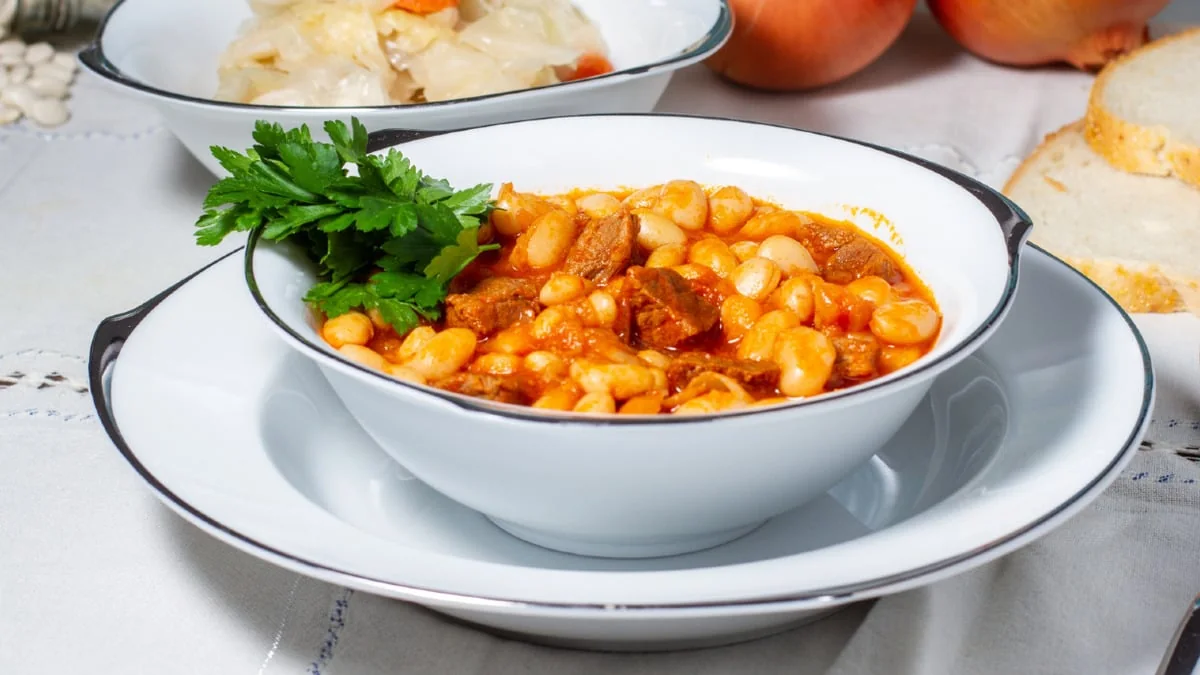
| White bean stew with beef | 450 kcal | 28 g |
If you are often hungry on your current plan, that is useful information rather than a personal failing: it may mean your meals need more protein or volume, your gaps are too long, or your calorie target is too low. The guide on feeling fuller on fewer calories has more ideas. Logging meals in Sporty and adding a quick note on how hungry you felt can reveal patterns, such as afternoons that always end in a snack after a light lunch.
When should you get support?
Feeling out of control around food, eating large amounts while feeling unable to stop, eating in secret, or feeling intense guilt after eating are reasons to talk to a doctor. The same applies if you ignore hunger for long periods or feel anxious about eating. Never go below about 1,200 kcal a day for women or 1,500 kcal for men without medical supervision.
This article is general information, not medical advice. If you have diabetes, take medication that affects appetite, are pregnant, under 18 or have a history of disordered eating, talk to a doctor or registered dietitian.
Frequently asked questions
How do I know if I am really hungry?
Physical hunger builds gradually, comes a few hours after eating and makes most foods sound good. If the urge is sudden and for one specific food, or it fades after 15 minutes, it is more likely appetite.
Is it bad to eat when you are not hungry?
No. Eating for pleasure is normal. It helps to notice when it happens, choose deliberately and keep the portion in line with your goals.
Why am I always hungry on a diet?
Common reasons are long gaps between meals, meals low in protein and fibre, short sleep or a calorie target that is too low. Adjusting these usually helps more than willpower.
What is a hunger scale?
A 1 to 10 rating of how hungry or full you feel. Starting meals around 3 to 4 and stopping around 5 to 6 helps many people eat in line with their needs.
Was this article helpful?
No ratings yet — be the first.
Tap a star to rate it — your rating helps us improve and helps other readers.
Sources
This article is general information, not medical advice. If you have a health condition, are pregnant or under 18, talk to a doctor or registered dietitian before changing your diet.