

Candy calories come mostly from sugar (4 kcal per gram) and, in chocolate bars, fat (9 kcal per gram). Every 10 g of sugar adds about 40 kcal and a third of the NHS adult limit of 30 g of free sugars a day. Choose a few favourites, plate them and enjoy them slowly instead of grazing from the bowl.
Key takeaways
- Sugar has 4 kcal per gram and fat 9 kcal per gram, so chocolate-based candy is usually more energy-dense than pure sugar sweets.
- The NHS advises adults to keep free sugars to 30 g a day; children aged 7 to 10 to 24 g and children aged 4 to 6 to 19 g.
- Check the label: calories per piece and per 100 g, sugar grams and the number of pieces in a serving.
- Picking two or three favourites and putting them on a plate works better than grazing from an open bag.
- One evening of treats does not undo a week of steady eating; there is no need to compensate the next day.
Where do the calories in Halloween candy come from?
Most candy gets its energy from two places: sugar and fat. Sugar, like all carbohydrate, has about 4 kcal per gram. Fat has about 9 kcal per gram. Hard candies, jelly sweets and lollipops are almost pure sugar, so their calories track the sugar grams closely. Chocolate bars, peanut butter cups and caramel-filled bars add fat from cocoa butter, milk, nuts or caramel, which is why a small chocolate bar can carry more energy than a sweet of the same weight.
That is useful to know, but it does not make one kind of candy "good" and another "bad". It just explains why the numbers on the wrapper differ, and why a handful of mini chocolate bars adds up faster than it feels.
How do you read a candy label quickly?
Fun-size and mini packs carry a nutrition label on the bag, even if each wrapper does not. Look for four things:
- Serving size and pieces. A "serving" may be two, three or more pieces, not one. Divide the calories by the number of pieces to get a per-piece figure.
- Energy per 100 g. This lets you compare a gummy bag with a chocolate bag fairly, regardless of piece size.
- Total sugars. On UK-style front-of-pack labels, more than 22.5 g of sugars per 100 g counts as high and 5 g or less as low. Most candy sits well above the high line, which is expected for a treat.
- Fat and saturates. More than 17.5 g of fat per 100 g counts as high. Chocolate and caramel products usually land here.
Our guide on how to read a nutrition label walks through the full panel if you want more detail.
How much sugar is that compared with daily limits?
The NHS advises adults to have no more than 30 g of free sugars a day, roughly seven sugar cubes. For children the limits are lower: 24 g for ages 7 to 10 and 19 g for ages 4 to 6. The WHO recommends keeping free sugars below 10% of daily energy, and notes that going below 5% may bring extra benefits. Here is what different amounts of sugar mean in practice:
| Sugar in your candy | Calories from that sugar | Share of the adult 30 g limit | Share of the 19 g limit (age 4 to 6) |
|---|---|---|---|
| 5 g | 20 kcal | 17% | 26% |
| 10 g | 40 kcal | 33% | 53% |
| 15 g | 60 kcal | 50% | 79% |
| 20 g | 80 kcal | 67% | 105% |
| 30 g | 120 kcal | 100% | 158% |
The calorie column only counts the sugar. If the candy contains chocolate, nuts or caramel, the fat adds more on top, so always use the energy figure on the label for the full total. The table is a way to see the scale, not a reason to avoid treats entirely.
What is a sensible portion on Halloween night?
There is no single right number. A practical approach is to decide before you start rather than while you are eating:
- Pick your favourites. Choose two or three pieces you genuinely love and leave the ones you only eat because they are there.
- Plate it. Put your portion on a small plate or in a bowl. Eating straight from a big bag or the door bowl makes it hard to notice how much you have had.
- Eat it after a meal. Candy eaten after a filling dinner tends to be a smaller portion than candy eaten on an empty stomach. The NHS also advises keeping sugary foods to mealtimes to protect teeth.
- Slow down. Unwrap one piece at a time and actually taste it. The guide to mindful eating has simple ways to notice when you have had enough.
- Put the rest away. Leftover candy in a cupboard is easier to ignore than a bowl on the counter.
What sweet options give more for the calories?
If you want something sweet in the days around Halloween but would like it to keep you full for longer, dishes with protein and fibre help. These are Sporty's per-serving estimates; real values depend on recipe and portion:
| Sweet dish | Calories | Protein | Carbs | Fat |
|---|---|---|---|---|
| Yogurt and fruit | 230 kcal | 16 g | 32 g | 5 g |
| Cottage cheese and walnut fruit bowl | 280 kcal | 26 g | 22 g | 8 g |
| Chia pudding | 300 kcal | 9 g | 30 g | 16 g |
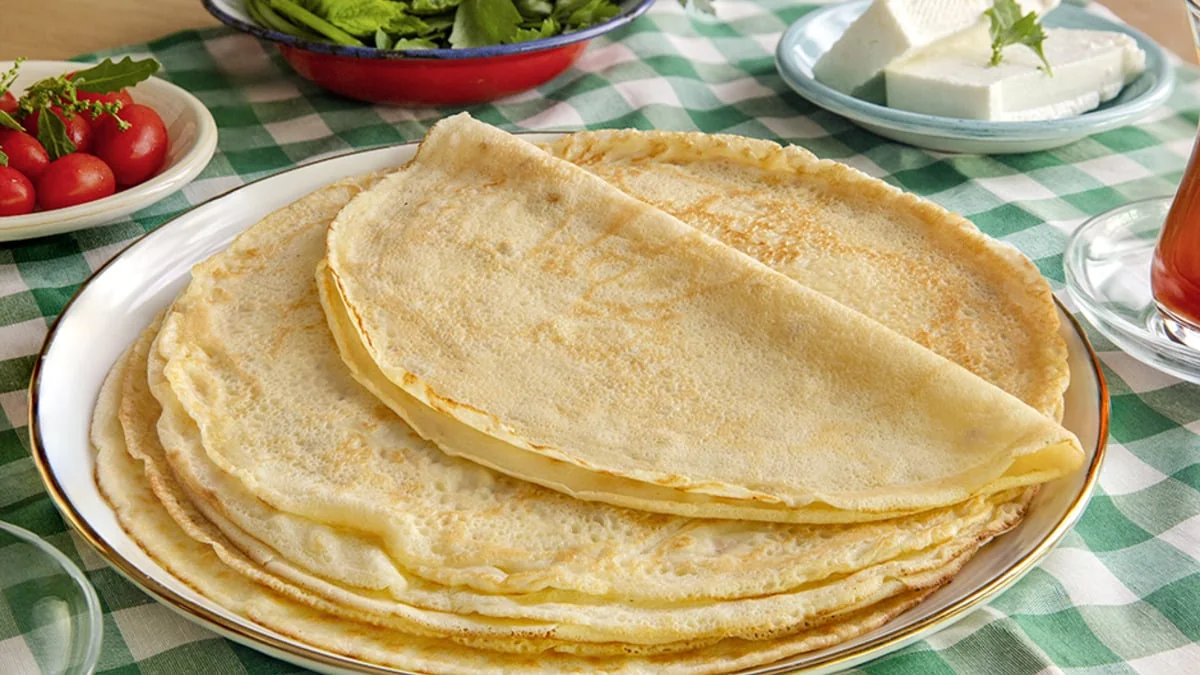
| Crepes | 360 kcal | 12 g | 46 g | 14 g |
| Protein pancakes | 380 kcal | 30 g | 40 g | 10 g |
A bowl of yogurt and fruit is a filling dessert, and you can still add one small piece of chocolate on top. The sugars inside whole fruit do not count as free sugars, according to the NHS. More ideas are in our guide to sweet cravings and lighter desserts.
How can you handle the leftover candy?
The hardest part of Halloween is often the week after, when bags of leftover candy sit in the kitchen. A few ideas:
- Buy closer to the day and buy only what you expect to hand out.
- Choose candy you are less tempted by for the door bowl, if that helps you.
- Share or freeze. Take some to work, give some away, or freeze chocolate for later.
- Schedule treats. One planned piece after dinner is easier to enjoy than repeated trips to the cupboard.
If you track your food, log the candy like any other food. Sporty can read the barcode on a packaged bag, and you can then adjust the number of pieces you actually ate. Seeing it in the log is information, not a judgement. Our guide to sugar limits and hidden sources shows where else sugar tends to appear during the day.
What about children and Halloween candy?
For children, Halloween is about fun, costumes and time with friends. The NHS sugar limits above are a helpful background, but there is no need to count or comment on a child's candy in terms of weight. Many families agree on a simple routine, such as a few pieces after dinner on the night and the rest kept for later, and they brush teeth before bed. If you have concerns about a child's weight or eating, speak to your child's doctor rather than putting them on a diet.
Does one night of treats undo your progress?
No. Weight change follows your overall intake across weeks, not one evening. A few extra hundred calories on Halloween uses part of the week's margin and then the week carries on. Skipping meals the next day to compensate often backfires, and eating below about 1,200 kcal a day for women or 1,500 kcal for men should only happen under medical supervision.
This article is general information, not medical advice. If you have diabetes, are pregnant, or have a history of disordered eating, talk to a doctor or registered dietitian about what suits you.
Frequently asked questions
How many calories are in a fun-size candy bar?
It depends on the product, so check the label on the bag and divide by the number of pieces in a serving. Sugar adds about 4 kcal per gram and fat about 9 kcal per gram, so chocolate and caramel bars usually carry more than plain sweets.
How much sugar should an adult have per day?
The NHS advises adults to have no more than 30 g of free sugars a day. The WHO recommends keeping free sugars below 10% of daily energy, with extra benefits below 5%.
Is chocolate or gummy candy lower in calories?
Gummies and hard sweets are mostly sugar, while chocolate adds fat, which has more than twice the calories per gram. Compare the energy per 100 g on each label to see the difference.
Should I eat less the day after Halloween?
There is no need to compensate. Return to your usual meals, and remember that weekly intake matters more than one evening.
Was this article helpful?
No ratings yet — be the first.
Tap a star to rate it — your rating helps us improve and helps other readers.
Sources
This article is general information, not medical advice. If you have a health condition, are pregnant or under 18, talk to a doctor or registered dietitian before changing your diet.